Kirjojen hintavertailu. Mukana 12 390 323 kirjaa ja 12 kauppaa.

Kirjahaku

Etsi kirjoja tekijän nimen, kirjan nimen tai ISBN:n perusteella.

10 kirjaa tekijältä A.K. Brackob

A Description of Moldavia

A Description of Moldavia

A.K. Brackob; Dimitrie Cantemir; Diana Livesay

Histria LLC
2025
nidottu
Written by one of the country’s most renowned rulers, A Description of Moldavia provides unique insight into the geography, history, economy, ethnography, culture, and traditions of the principality. Born to a noble family, the author, Dimitrie Cantemir, ruled as Prince of Moldavia on two occasions (March-April 1693 and 1710-1711). He was a famed statesman, philosopher, and scholar.Cantemir wrote his Description of Moldavia (Descriptio Moldaviae) in 1716 at the request of the Royal Academy in Berlin, of which he was a member. Cantemir’s manuscript included a map (reproduced in the present edition), the first real map of the country, containing geographical detail. The book provides a wealth of information about the country’s natural resources, political organization, customs and traditions, history, religion, and language.
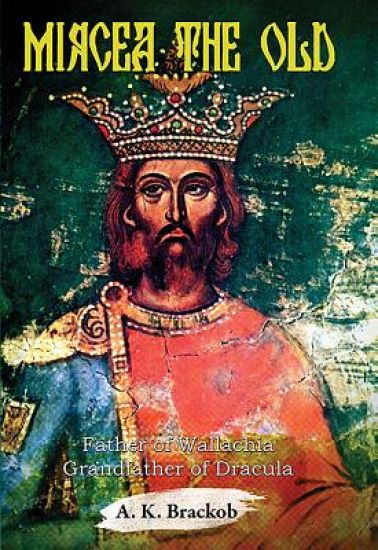
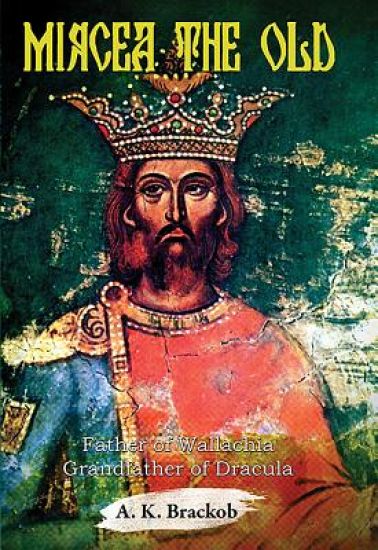
Mircea the Old

Mircea the Old

A.K. Brackob

Histria LLC
2018
nidottu
One of the greatest leaders in Romanian history, Mircea the Old comes to life in this new book. Although his grandson, Vlad the Impaler, has acquired much greater international fame, Mircea the Old was the most significant ruler to sit on the throne of the small principality of Wallachia during the Middle Ages. To understand the historical Dracula, it is essential to comprehend the life and times of Mircea the Old, who, during his long reign from 1386 to 1418, consolidated the political and administrative structure of his principality and maintained its freedom at the time of its most significant peril. Mircea defeated the mighty Ottoman Empire, the greatest power of his day, at the battle of Rovine in 1394. During the crusade of Nicopolis, in 1396, the Wallachian prince played a key role and many, including Emperor Sigismund of Luxemburg, believed that he should have led the Christian assault. Flawed political considerations, however, countermanded that proposal and resulted in a disastrous defeat for Christendom. Despite this setback, Mircea positioned his small country as a major force in international politics at the dawn of the fifteenth century. As the Ottoman Empire collapsed into civil war following the decisive defeat of Sultan Bayezid by the Mongol Emperor Tamerlane at the battle of Ankara in 1402, Mircea the Old emerged in the role of kingmaker. The great powers fighting for control over southeastern Europe all recognized his skill and acumen, leading the Turkish chronicler Leunclavius to describe him as "the bravest and most able of Christian Princes." His long reign allowed him to establish the dynamic ruling dynasty from which the Dracula legend would ultimately be born.
Mircea the Old

Mircea the Old

A.K. Brackob

Histria LLC
2018
sidottu
One of the greatest leaders in Romanian history, Mircea the Old comes to life in this new book. Although his grandson, Vlad the Impaler, has acquired much greater international fame, Mircea the Old was the most significant ruler to sit on the throne of the small principality of Wallachia during the Middle Ages. To understand the historical Dracula, it is essential to comprehend the life and times of Mircea the Old, who, during his long reign from 1386 to 1418, consolidated the political and administrative structure of his principality and maintained its freedom at the time of its most significant peril. Mircea defeated the mighty Ottoman Empire, the greatest power of his day, at the battle of Rovine in 1394. During the crusade of Nicopolis, in 1396, the Wallachian prince played a key role and many, including Emperor Sigismund of Luxemburg, believed that he should have led the Christian assault. Flawed political considerations, however, countermanded that proposal and resulted in a disastrous defeat for Christendom. Despite this setback, Mircea positioned his small country as a major force in international politics at the dawn of the fifteenth century. As the Ottoman Empire collapsed into civil war following the decisive defeat of Sultan Bayezid by the Mongol Emperor Tamerlane at the battle of Ankara in 1402, Mircea the Old emerged in the role of kingmaker. The great powers fighting for control over southeastern Europe all recognized his skill and acumen, leading the Turkish chronicler Leunclavius to describe him as "the bravest and most able of Christian Princes." His long reign allowed him to establish the dynamic ruling dynasty from which the Dracula legend would ultimately be born.
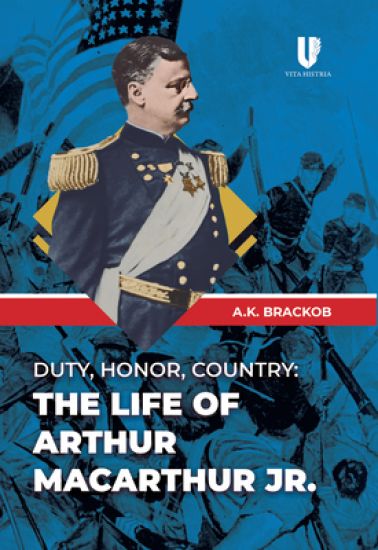
Duty, Honor, Country

Duty, Honor, Country

A.K. Brackob

Histria LLC
2021
nidottu
On September 15, 1906, Arthur MacArthur Jr. became the twelfth man in the history of the United States Army to be awarded the rank of Lieutenant General, the highest rank in the Army up to that time. This great honor, which marked the culmination of MacArthur's brilliant military career, included him in the ranks of such outstanding American military leaders as George Washington, Ulysses S. Grant, and William Tecumseh Sherman, all of whom had previously held this rank. This bespeaks of the importance of Arthur MacArthur as a figure in American history, yet invariably when the name MacArthur is mentioned today it is almost immediately associated with his son Douglas. Arthur MacArthur is, however, equally deserving of recognition as a great military leader. This biography, based on extensive archival research, reveals the remarkable career of this great patriot and his contribution to American history. This is all the more important because, to fully understand the career of his famous son, Douglas, who had such a profound impact on the military history of the United States in the twentieth century, it is essential to study the life and career of Arthur MacArthur Jr who began his military career as a mere boy fighting for the 23rd Wisconsin infantry regiment during the Civil War. Douglas MacArthur was himself conscious of the profound influence his father had upon his life. Douglas once said, "Of all men I have known my father was the one I most respected and admired."A.K. Brackob has a Ph.D. in history from the University of Illinois. His other books include Scanderbeg: A History of George Castriota and the Albanian Resistance to Islamic Expansion in Fifteenth Century Europe.
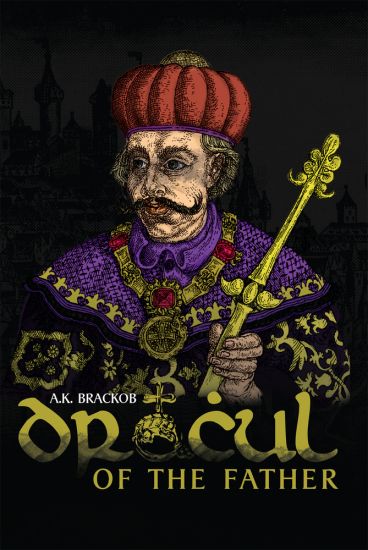
Dracul – Of the Father

Dracul – Of the Father

A.K. Brackob

Histria LLC
2023
pokkari
Stories of Dracula have fascinated people around the world for generations. Both the fictional vampire created by the Irish author Bram Stoker at the end of the nineteenth century and the fifteenth century Prince called Vlad the Impaler, the man regarded as the historical Dracula, have become part of universal culture. Yet few realize that the Wallachian ruler dubbed “ the Impaler,” is not the original Dracula. Instead, that distinction belongs to his father, a little-known prince called Vlad Dracul.Several books have been devoted to the study of his famous son, Vlad the Impaler, but any search for the historical Dracula must begin with the story of the father. Now, for the first time, based on extensive documentary research, the true story of the man who founded the Dracula dynasty is revealed.
Why Political Democracy Must Go

Why Political Democracy Must Go

John Reed; A.K. Brackob

Histria LLC
2021
sidottu
Why Political Democracy Must Go is an insightful analysis of the origins of the socialist movement in the United States, written by famed journalist John Reed, one of the most distinguished American writers on the subject. One of socialism’s fiercest proponents, Reed exposes the myth of ‘democratic socialism.’ He provides an overview of the development of socialist thought, demonstrating that socialism cannot be achieved through political democracy. Originally published in 1919 in serial form, Why Political Democracy Must Go provides critical historical insight on the evolution of socialist thought in the United States. Reed gives a devastating critique of the American political system that, in many ways, is as valid today as it was when he first wrote it. Today, when there is renewed interest in socialism on the American political scene, this notable series of essays reveals the underpinnings of socialist thought. John Reed’s analysis will be of interest to those on all sides of the political spectrum. Born in Portland, Oregon, on October 22, 1887, Harvard-educated John Reed was considered one of the most remarkable journalists of his generation. He became famous for his first-hand accounts of the Mexican Revolution, where he rode alongside Panchos Villa, and for his acclaimed portrayal of the Russian Revolution, Ten Days that Shook the World. Reed was also a political activist and a founding member of the Communist Labor Party of America. He died in Russia on October 17, 1920, and is one of only three Americans buried in the Kremlin Wall. Why Political Democracy Must Go: The Origins of Socialism in the United States is edited, with an introduction by Dr. A.K. Brackob, a noted historian and editor of John Reed’s collection of writings, Romania during World War I: Observations of an American Journalist (2018).
Why Political Democracy Must Go

Why Political Democracy Must Go

John Reed; A.K. Brackob

Histria LLC
2022
nidottu
Why Political Democracy Must Go is an insightful analysis of the origins of the socialist movement in the United States, written by famed journalist John Reed, one of the most distinguished American writers on the subject. One of socialism’s fiercest proponents, Reed exposes the myth of ‘democratic socialism.’ He provides an overview of the development of socialist thought, demonstrating that socialism cannot be achieved through political democracy. Originally published in 1919 in serial form, Why Political Democracy Must Go provides critical historical insight on the evolution of socialist thought in the United States. Reed gives a devastating critique of the American political system that, in many ways, is as valid today as it was when he first wrote it. Today, when there is renewed interest in socialism on the American political scene, this notable series of essays reveals the underpinnings of socialist thought. John Reed’s analysis will be of interest to those on all sides of the political spectrum. Born in Portland, Oregon, on October 22, 1887, Harvard-educated John Reed was considered one of the most remarkable journalists of his generation. He became famous for his first-hand accounts of the Mexican Revolution, where he rode alongside Panchos Villa, and for his acclaimed portrayal of the Russian Revolution, Ten Days that Shook the World. Reed was also a political activist and a founding member of the Communist Labor Party of America. He died in Russia on October 17, 1920, and is one of only three Americans buried in the Kremlin Wall. Why Political Democracy Must Go: The Origins of Socialism in the United States is edited, with an introduction by Dr. A.K. Brackob, a noted historian and editor of John Reed’s collection of writings, Romania during World War I: Observations of an American Journalist (2018).
The Forest of the Hanged

The Forest of the Hanged

Liviu Rebreanu; Phoebe Cho; A.K. Brackob

Histria LLC
2020
sidottu
This classic Romanian novel lends valuable psychological insight into the tragic situation confronting minorities in the Austro-Hungarian Empire during World War I. It is the story of Apostol Bologa, a middle-class Romanian officer serving in the Austro-Hungarian army who undergoes a transformation as his sense of national consciousness awakens, leading him to make a critical choice that many faced during this era. The novel is based on the life of the author’s brother, Emil Rebreanu, a Romanian officer in the Austro-Hungarian army, to whom he dedicated The Forest of the Hanged. The novel’s protagonist, Bologa undergoes an evolution whereby begins to see beyond class distinction and the veneer of the civilized world. As the hero states, “The soul is the same in the peasant girl as in the countess, at all events in its bare essentials. Only the shape has been changed by civilization.” The inner struggles confronted by Bologa as he confronts the savagery and injustice of war are emotionally portrayed by the author. The Forest of the Hanged is rightfully considered one of the greatest novels in Romanian literature. Liviu Rebeanu (1885-1944) was one of Romania’s most distinguished literary figures. His novel Ion is considered the first modern Romanian novel. This edition of Rebreanu’s famous novel, illustrated by talented young artist Phoebe Cho, includes an introduction by A.K. Brackob.
The Forest of the Hanged

The Forest of the Hanged

Liviu Rebreanu; Phoebe Cho; A.K. Brackob

Histria LLC
2021
nidottu
This classic Romanian novel lends valuable psychological insight into the tragic situation confronting minorities in the Austro-Hungarian Empire during World War I. It is the story of Apostol Bologa, a middle-class Romanian officer serving in the Austro-Hungarian army who undergoes a transformation as his sense of national consciousness awakens, leading him to make a critical choice that many faced during this era. The novel is based on the life of the author’s brother, Emil Rebreanu, a Romanian officer in the Austro-Hungarian army, to whom he dedicated The Forest of the Hanged. The novel’s protagonist, Bologa undergoes an evolution whereby begins to see beyond class distinction and the veneer of the civilized world. As the hero states, “The soul is the same in the peasant girl as in the countess, at all events in its bare essentials. Only the shape has been changed by civilization.” The inner struggles confronted by Bologa as he confronts the savagery and injustice of war are emotionally portrayed by the author. The Forest of the Hanged is rightfully considered one of the greatest novels in Romanian literature. Liviu Rebeanu (1885-1944) was one of Romania’s most distinguished literary figures. His novel Ion is considered the first modern Romanian novel. This edition of Rebreanu’s famous novel, illustrated by talented young artist Phoebe Cho, includes an introduction by A.K. Brackob.
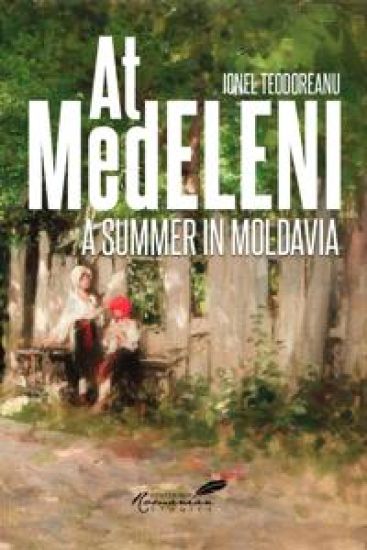
At Medeleni

At Medeleni

Ionel Teodoreanu; Eugenia Farca; A.K. Brackob

Histria LLC
2023
nidottu
At Medeleni is classic work of Romanian literature and a wonderful novel for all ages. Ionel Teodoreanu captivates your mind and your heart and places you alongside his memorable characters: Olga, Monica, and Dan. Much of the book concerns the brother-sister rivalry and the role of Monica, and Olguta’s annoyance at the unfair treatment of girls, not least because she is something of a tomboy. The siblings are continually fighting and Monica feels she has to take Olguta’s part in female solidarity, but she also has a strong attachment to DÂnut. DÂnut, as the solitary male, often lives in his own world, imagining life as a sultan or Robinson Crusoe or even a vampire, though happy to come out and fight his sister.A novel full of warmth, wit, love, and the pursuit of dreams, the story takes place during the years between the two world wars. It is a delightful account of brother-sister rivalry, and the life of a generally happy, easy-going family in rural Moldavia. Ionel Teodoreanu wrote more than twenty books during his prolific literary career, including the classic Lorelei, but At Medeleni remains his most beloved work. In it, the author drew on his experiences growing up in rural Moldavia. Published as a trilogy, At Medeleni: A Summer in Moldavia is a translation of volume 1 of the trilogy, titled in Romanian, Hotarul Nestatornic. The illustrated edition of At Medeleni is part of the Classics of Romanian Literature series published by the Center for Romanian Studies as part of its efforts to promote access to Romanian culture in the world. It includes an introduction by A.K. Brackob.