Kirjojen hintavertailu. Mukana 12 048 996 kirjaa ja 12 kauppaa.

Kirjahaku

Etsi kirjoja tekijän nimen, kirjan nimen tai ISBN:n perusteella.

3 kirjaa tekijältä Abdul Azim Islahi

Muhammad Hamidullah

Muhammad Hamidullah

Abdul Azim Islahi

ISLAMIC FOUNDATION
2025
pokkari
Dr. Muhammad Hamidullah was a genius and prolific writer. Anyone who has an interest in the Qur’ans translation, Hadith literature International Islamic Law, Islamic Politics and archival heritage of Islam cannot ignore Dr. Hamidullah’s contributions. He started writings on the subject of Islamic Economics as early as the 1930s. He was a pioneer in Islamic economics and many firsts in this subject belong to him. For instance: interest free financial institutions in the modern period, advocacy of mutuality as the basis for Islamic insurance, mutuality based Islamic finance and proposal for establishment of international interest-free monetary fund. He also critiques current systems and offers an alternative. His works are also a rich source of Islamic economic history. None of his contemporaries in the first half of twentieth century had written on such a diverse aspect of the subject.
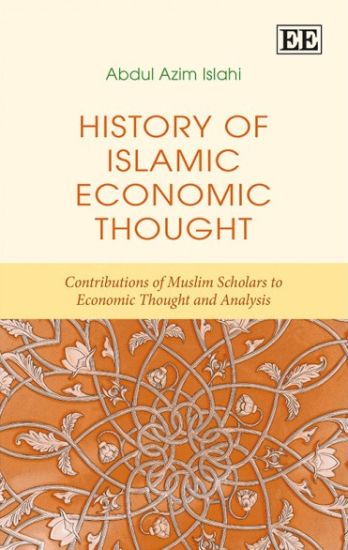
History of Islamic Economic Thought

History of Islamic Economic Thought

Abdul Azim Islahi

Edward Elgar Publishing Ltd
2014
sidottu
This unique book highlights the contributions made by Muslim scholars to economic thought throughout history, a topic that has received relatively little attention in mainstream economics. Abdul Azim Islahi discusses various ways in which Muslim ideas reached the European West, influencing scholars and helping to form the foundations of modern economic ideas and theories.Early chapters outline the foundations of Islamic economic thought and describe three distinct phases of its development over time. The author then identifies key theories and tenets of modern economics - including value; market and pricing; production and distribution; money and interest; and the economic role of the state - and explores the influence of Muslim scholarly thought on each. The concluding chapter highlights the importance of further exploration of the topic and offers insightful recommendations for future research.This fascinating book will be of great interest to students and scholars of both the history of economic thought and Islamic economics.