Kirjojen hintavertailu. Mukana 12 016 292 kirjaa ja 12 kauppaa.

Kirjahaku

Etsi kirjoja tekijän nimen, kirjan nimen tai ISBN:n perusteella.

4 kirjaa tekijältä Adam Charles Hart

Monstrous Forms

Monstrous Forms

Adam Charles Hart

Oxford University Press Inc
2020
sidottu
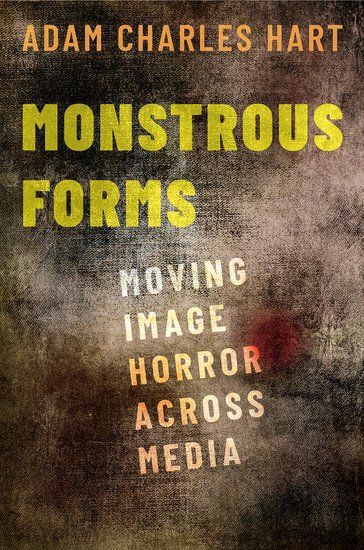
It makes us jump. It makes us scream. It haunts our nightmares. So why do we watch horror? Why do we play it? What could possibly be appealing about a genre that tries to terrify us? Why would we subject ourselves to shriek-inducing shocks, or spend dozens of hours watching a television show about grotesque flesh-eating monsters? Monstrous Forms offers a theory of horror that works through the genre across a broad range of contemporary moving-image media: film, television, videogames, YouTube, gifs, streaming, virtual reality. This book analyzes our experience of and engagement with horror by focusing on its form, paying special attention to the common ground, the styles and forms that move between mediums. It looks at the ways that moving-image horror addresses its audiences, the ways that it elicits, or demands, responses from its viewers, players, browsers. Camera movement (or "camera" movement), jump scares, offscreen monsters-horror innovates and perfects styles that directly provoke and stimulate the bodies in front of the screen. Analyzing films including Paranormal Activity, It Follows, and Get Out, videogames including Amnesia: The Dark Descent, Layers of Fear, and Until Dawn, and TV shows including The Walking Dead and American Horror Story, Monstrous Forms argues for understanding horror through its sensational address, and dissects the forms that make that address so effective.
Monstrous Forms

Monstrous Forms

Adam Charles Hart

Oxford University Press Inc
2020
nidottu
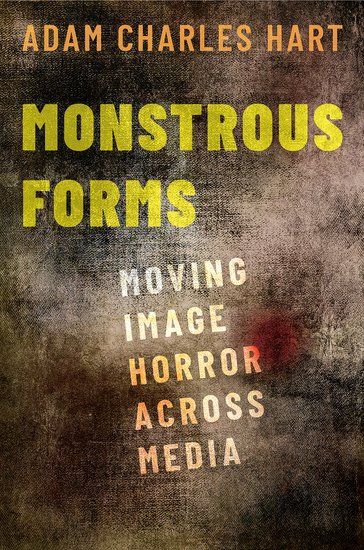
It makes us jump. It makes us scream. It haunts our nightmares. So why do we watch horror? Why do we play it? What could possibly be appealing about a genre that tries to terrify us? Why would we subject ourselves to shriek-inducing shocks, or spend dozens of hours watching a television show about grotesque flesh-eating monsters? Monstrous Forms offers a theory of horror that works through the genre across a broad range of contemporary moving-image media: film, television, videogames, YouTube, gifs, streaming, virtual reality. This book analyzes our experience of and engagement with horror by focusing on its form, paying special attention to the common ground, the styles and forms that move between mediums. It looks at the ways that moving-image horror addresses its audiences, the ways that it elicits, or demands, responses from its viewers, players, browsers. Camera movement (or "camera" movement), jump scares, offscreen monsters-horror innovates and perfects styles that directly provoke and stimulate the bodies in front of the screen. Analyzing films including Paranormal Activity, It Follows, and Get Out, videogames including Amnesia: The Dark Descent, Layers of Fear, and Until Dawn, and TV shows including The Walking Dead and American Horror Story, Monstrous Forms argues for understanding horror through its sensational address, and dissects the forms that make that address so effective.
Raising the Dead

Raising the Dead

Adam Charles Hart

OXFORD UNIVERSITY PRESS INC
2024
sidottu
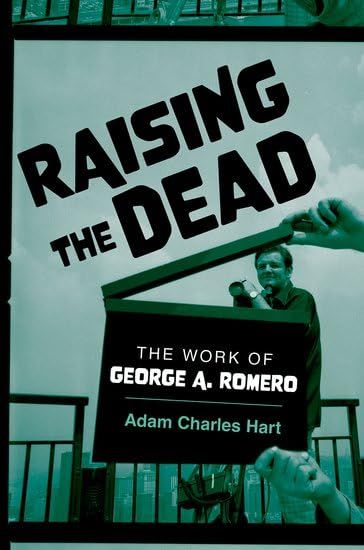
George A. Romero never intended to become a master of horror, but Night of the Living Dead made him a legend of the genre. Raising the Dead dives into the expansive, extraordinary body of work found in Romero's archive, going beyond his iconic zombie movies into a deep and varied collection of writings that never made it to the big screen. From the early 1960s until his death in 2017, Romero was a hugely prolific writer, producing scripts in every conceivable genre, from arty medieval allegories to wacky comedies to grand-scale science fiction epics. Though he had difficulty funding non-horror projects, he continued to write in whatever mode his imagination dictated, and he rarely abandoned his ideas. Themes, story ideas, and even characters were re-purposed for new scripts, evolving and transforming with each new iteration and, sometimes, finding a home in a horror film. But in order to accommodate ideas that began in such different contexts, Romero would have to change the horror genre itself: a zombie movie could become a savage satire of consumerism or an excoriating critique of militaristic or capitalist hierarchies. The horror genre became what Romero made of it. Based on years of archival research, the book moves between unfilmed scripts and familiar classics, showing the remarkable scope and range of Romero's interests and the full extent of his genius. Raising the Dead is a testament to an extraordinarily productive and inventive artist who never let the restrictions of the film industry limit his imagination.
Raising the Dead

Raising the Dead

Adam Charles Hart

OXFORD UNIVERSITY PRESS INC
2024
nidottu
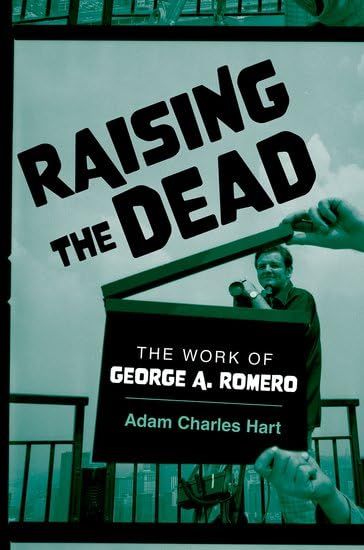
George A. Romero never intended to become a master of horror, but Night of the Living Dead made him a legend of the genre. Raising the Dead dives into the expansive, extraordinary body of work found in Romero's archive, going beyond his iconic zombie movies into a deep and varied collection of writings that never made it to the big screen. From the early 1960s until his death in 2017, Romero was a hugely prolific writer, producing scripts in every conceivable genre, from arty medieval allegories to wacky comedies to grand-scale science fiction epics. Though he had difficulty funding non-horror projects, he continued to write in whatever mode his imagination dictated, and he rarely abandoned his ideas. Themes, story ideas, and even characters were re-purposed for new scripts, evolving and transforming with each new iteration and, sometimes, finding a home in a horror film. But in order to accommodate ideas that began in such different contexts, Romero would have to change the horror genre itself: a zombie movie could become a savage satire of consumerism or an excoriating critique of militaristic or capitalist hierarchies. The horror genre became what Romero made of it. Based on years of archival research, the book moves between unfilmed scripts and familiar classics, showing the remarkable scope and range of Romero's interests and the full extent of his genius. Raising the Dead is a testament to an extraordinarily productive and inventive artist who never let the restrictions of the film industry limit his imagination.