Kirjojen hintavertailu. Mukana 11 244 527 kirjaa ja 12 kauppaa.

Kirjahaku

Etsi kirjoja tekijän nimen, kirjan nimen tai ISBN:n perusteella.

4 kirjaa tekijältä Adam Lecznar

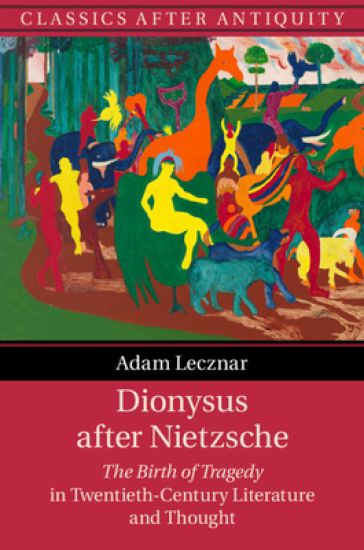
Dionysus after Nietzsche

Dionysus after Nietzsche

Adam Lecznar

Cambridge University Press
2020
sidottu
Dionysus after Nietzsche examines the way that The Birth of Tragedy (1872) by Friedrich Nietzsche irrevocably influenced twentieth-century literature and thought. Adam Lecznar argues that Nietzsche's Dionysus became a symbol of the irrational forces of culture that cannot be contained, and explores the presence of Nietzsche's Greeks in the diverse writings of Jane Harrison, D. H. Lawrence, Martin Heidegger, Richard Schechner and Wole Soyinka (amongst others). From Jane Harrison's controversial ideas about Greek religion in an anthropological modernity, to Wole Soyinka's reimagining of a postcolonial genre of tragedy, each of the writers under discussion used the Nietzschean vision of Greece to develop subversive discourses of temporality, identity, history and classicism. In this way, they all took up Nietzsche's call to disrupt pre-existing discourses of classical meaning and create new modes of thinking about the Classics that speak to the immediate concerns of the present.
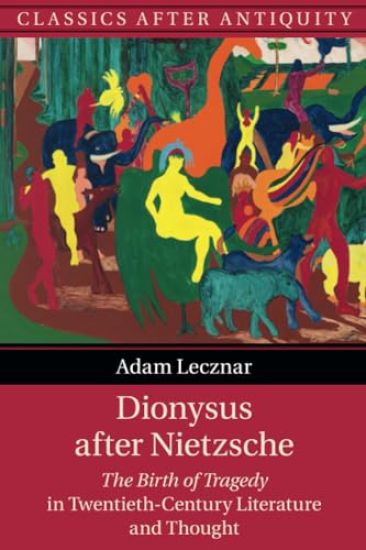
Dionysus after Nietzsche

Dionysus after Nietzsche

Adam Lecznar

Cambridge University Press
2024
pokkari
Dionysus after Nietzsche examines the way that The Birth of Tragedy (1872) by Friedrich Nietzsche irrevocably influenced twentieth-century literature and thought. Adam Lecznar argues that Nietzsche's Dionysus became a symbol of the irrational forces of culture that cannot be contained, and explores the presence of Nietzsche's Greeks in the diverse writings of Jane Harrison, D. H. Lawrence, Martin Heidegger, Richard Schechner and Wole Soyinka (amongst others). From Jane Harrison's controversial ideas about Greek religion in an anthropological modernity, to Wole Soyinka's reimagining of a postcolonial genre of tragedy, each of the writers under discussion used the Nietzschean vision of Greece to develop subversive discourses of temporality, identity, history and classicism. In this way, they all took up Nietzsche's call to disrupt pre-existing discourses of classical meaning and create new modes of thinking about the Classics that speak to the immediate concerns of the present.
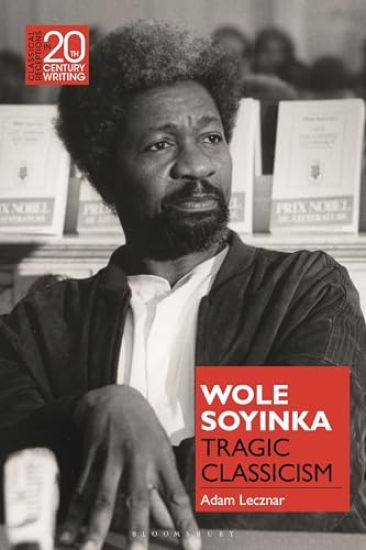
Wole Soyinka

Wole Soyinka

Adam Lecznar

BLOOMSBURY PUBLISHING PLC
2024
sidottu
This book presents a new way of looking at Wole Soyinka’s engagement with the classical past. Nigerian author and activist Wole Soyinka was the first Black African author to win the Nobel Prize for Literature (1986), and his oeuvre has become seminal to postcolonial literature. The frequent references to Greece and Rome that appear across Soyinka’s writings, most explicitly in his 1973 play The Bacchae of Euripides: A Communion Rite, have often received short shrift in scholarship on the author. At best, these references have been understood as elements of Soyinka’s prodigiously inclusive humanism. At worst, Soyinka’s critics argue that the invocations of a Graeco-Roman past testify to the neocolonial cultural affinities that make Soyinka a problematic figure in postcolonial literary history.Adam Lecznar challenges these readings, arguing that Soyinka’s authorial outlook is informed by a hybrid form of classicism in which he aligns the legacy of Greece and Rome with the African cultural heritage to form a narrative of literary and cultural value that looks beyond the ancient Mediterranean. This book turns a spotlight on how Soyinka's appeals to Greece and Rome inform his reflections on Africa’s ancient past, Yoruba belief, and the modern significance of tragedy. Lecznar contends that Soyinka’s notion of classicism is not solely dependent on the memory of the Graeco-Roman past. Rather, it draws innovatively on a global cultural heritage to advance revolutionary and futural narratives of history and identity.
Wole Soyinka

Wole Soyinka

Adam Lecznar

BLOOMSBURY PUBLISHING PLC
2026
pokkari
This book presents a new way of looking at Wole Soyinka's engagement with the classical past. Nigerian author and activist Wole Soyinka was the first Black African author to win the Nobel Prize for Literature (1986), and his oeuvre has become seminal to postcolonial literature. The frequent references to Greece and Rome that appear across Soyinka's writings, most explicitly in his 1973 play The Bacchae of Euripides: A Communion Rite, have often received short shrift in scholarship on the author. At best, these references have been understood as elements of Soyinka's prodigiously inclusive humanism. At worst, Soyinka's critics argue that the invocations of a Graeco-Roman past testify to the neocolonial cultural affinities that make Soyinka a problematic figure in postcolonial literary history. Adam Lecznar challenges these readings, arguing that Soyinka's authorial outlook is informed by a hybrid form of classicism in which he aligns the legacy of Greece and Rome with the African cultural heritage to form a narrative of literary and cultural value that looks beyond the ancient Mediterranean. This book turns a spotlight on how Soyinka's appeals to Greece and Rome inform his reflections on Africa's ancient past, Yoruba belief, and the modern significance of tragedy. Lecznar contends that Soyinka's notion of classicism is not solely dependent on the memory of the Graeco-Roman past. Rather, it draws innovatively on a global cultural heritage to advance revolutionary and futural narratives of history and identity.