Kirjojen hintavertailu. Mukana 12 083 983 kirjaa ja 12 kauppaa.

Kirjahaku

Etsi kirjoja tekijän nimen, kirjan nimen tai ISBN:n perusteella.

4 kirjaa tekijältä Adam Lucas

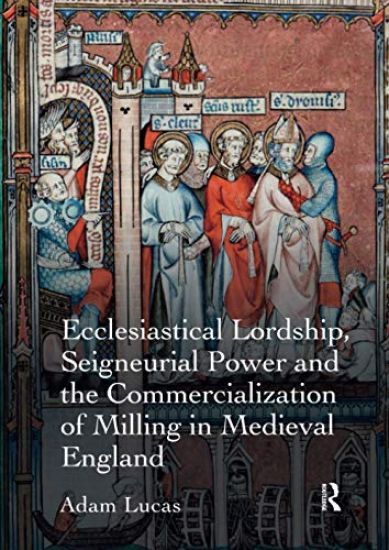
Ecclesiastical Lordship, Seigneurial Power and the Commercialization of Milling in Medieval England
This is the first detailed study of the role of the Church in the commercialization of milling in medieval England. Focusing on the period from the late eleventh to the mid sixteenth centuries, it examines the estate management practices of more than thirty English religious houses founded by the Benedictines, Cistercians, Augustinians and other minor orders, with an emphasis on the role played by mills and milling in the establishment and development of a range of different sized episcopal and conventual foundations. Contrary to the views espoused by a number of prominent historians of technology since the 1930s, the book demonstrates that patterns of mill acquisition, innovation and exploitation were shaped not only by the size, wealth and distribution of a house’s estates, but also by environmental and demographic factors, changing cultural attitudes and legal conventions, prevailing and emergent technical traditions, the personal relations of a house with its patrons, tenants, servants and neighbours, and the entrepreneurial and administrative flair of bishops, abbots, priors and other ecclesiastical officials.
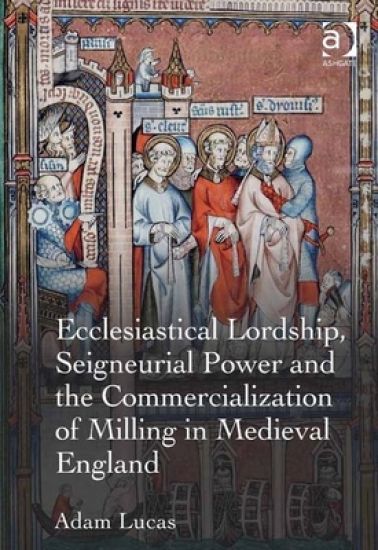
Ecclesiastical Lordship, Seigneurial Power and the Commercialization of Milling in Medieval England
This is the first detailed study of the role of the Church in the commercialization of milling in medieval England. Focusing on the period from the late eleventh to the mid sixteenth centuries, it examines the estate management practices of more than thirty English religious houses founded by the Benedictines, Cistercians, Augustinians and other minor orders, with an emphasis on the role played by mills and milling in the establishment and development of a range of different sized episcopal and conventual foundations. Contrary to the views espoused by a number of prominent historians of technology since the 1930s, the book demonstrates that patterns of mill acquisition, innovation and exploitation were shaped not only by the size, wealth and distribution of a house’s estates, but also by environmental and demographic factors, changing cultural attitudes and legal conventions, prevailing and emergent technical traditions, the personal relations of a house with its patrons, tenants, servants and neighbours, and the entrepreneurial and administrative flair of bishops, abbots, priors and other ecclesiastical officials.
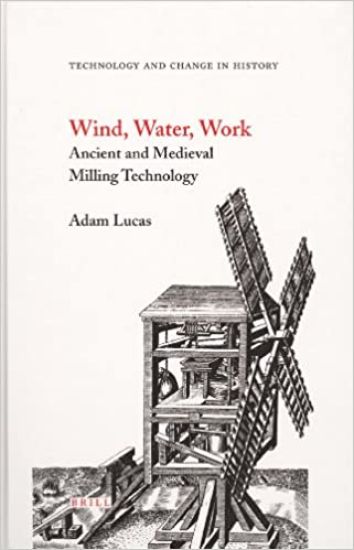
Wind, Water, Work

Wind, Water, Work

Adam Lucas

Brill
2005
sidottu
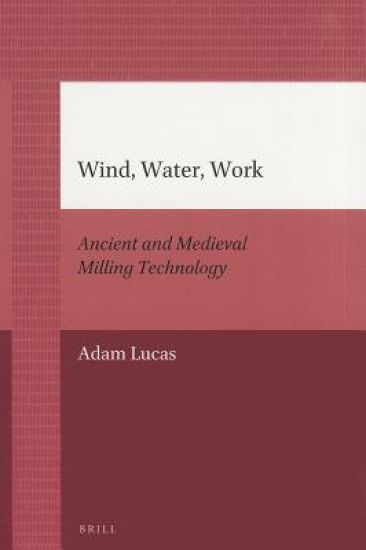
This book is the most comprehensive empirical study to date of the social and technical aspects of milling during the ancient and medieval periods. Drawing on the latest archaeological evidence and historical studies, the book examines the chronological development and technical details of handmills, beast mills, watermills and windmills from the first millennium BCE to c. 1500. It discusses the many and varied uses to which mills were turned in the civilisations of Rome, China, Islam and Europe, and the many types of mill that existed. The book also includes comparative regional studies of the social and economic significance of milling, and tackles several important historiographical issues, such as whether technological stagnation was a characteristic of late Antiquity, whether there was an "industrial revolution" in the European Middle Ages based on waterpower, and how contemporary studies in the social shaping of technology can shed light on the study of pre-modern technology.
Wind, Water, Work

Wind, Water, Work

Adam Lucas

BRILL
2011
nidottu
This book is the most comprehensive empirical study to date of the social and technical aspects of milling during the ancient and medieval periods. Drawing on the latest archaeological evidence and historical studies, the book examines the chronological development and technical details of handmills, beast mills, watermills and windmills from the first millennium BCE to c. 1500. It discusses the many and varied uses to which mills were turned in the civilisations of Rome, China, Islam and Europe, and the many types of mill that existed. The book also includes comparative regional studies of the social and economic significance of milling, and tackles several important historiographical issues, such as whether technological stagnation was a characteristic of late Antiquity, whether there was an "industrial revolution" in the European Middle Ages based on waterpower, and how contemporary studies in the social shaping of technology can shed light on the study of pre-modern technology. Originally published in hardcover.