Anonymous characters -- such as Lot's wife, Jephthah's daughter, Pharoah's baker, and the witch of Endor -- are ubiquitous in the Hebrew Bible, and appear in a wide variety of roles. Adele Reinhartz here answers two principal questions concerning this aspect of biblical narrative. First, is there a "poetics of anonymity," and if so, what are its contours? Second, how does anonymity affect the readers' response to, and construction of, unnamed biblical characters. She is especially interested in issues related to gender, determining whether female characters are more likely to be anonymous than male characters, and whether the anonymity of female characters functions differently from that of male characters.
Since the advent of cinema, Jesus has frequently been found in our movie houses and on our television screens. Biblical scholar Adele Reinhartz provides the first comprehensive study of the relationship of Jesus movies to the Gospels. Reinhartz focuses on the cinematic representation of Jesus, touching on such topics as Jesus' historical and cultural context, his biography, and his messianic identity. Her overarching theme is that the Jesus films both reflect and influence cultural perceptions of Jesus and the other figures in his story. Jesus films, she shows, provide a window to the profound changes in cultural attitudes, social institutions, and religious belief that Western culture has experienced in the first hundred years of film.
Since the advent of the cinema, Jesus has frequently appeared in our movie houses and on our television screens. Indeed, it may well be that more people worldwide know about Jesus and his life story from the movies than from any other medium. Indeed, Jesus' story has been adapted dozens of times throughout the history of commercial cinema, from the 1912 silent From the Manger to the Cross to Mel Gibson's 2004 The Passion of the Christ. No doubt there are more to come. Drawing on a broad range of movies, biblical scholar Adele Reinhartz traces the way in which Jesus of Nazareth has become Jesus of Hollywood. She argues that Jesus films both reflect and influence cultural perceptions of Jesus and the other figures in his story. She focuses on the cinematic interpretation of Jesus' relationships with the key people in his life: his family, his friends, and his foes. She examines how these films address theological issues, such as Jesus' identity as both human and divine, political issues, such as the role of the individual in society and the possibility of freedom under political oppression, social issues, such as gender roles and hierarchies, and personal issues, such as the nature of friendship and human sexuality. Reinhartz's study of Jesus' celluloid incarnations shows how Jesus movies reshape the past in the image of the present. Despite society's profound interest in Jesus as a religious and historical figure, Jesus movies are fascinating not as history but as mirrors of the concerns, anxieties, and values of our own era. As the story of Jesus continues to capture the imagination of filmmakers and moviegoers, he remains as significant a cultural figure today as he was 2000 years ago.
Bible and Cinema: An Introduction is a comprehensive examination of how the Bible has been used and represented in mainstream cinema to develop its plots, characters, and themes. The book considers two general types of films: Bible movies that retell biblical stories, such as the Exodus and the life of Jesus, and Bible-related movies that make use of biblical books, stories, verses, and figures, and Bibles themselves to tell non-biblical, often fictional, narratives. Topics covered include: the contribution of Bible and Bible-related movies to the history of the Bible’s reception; the ways in which filmmakers make use of scripture to address and reflect their own time and place; the Bible as a vehicle through which films can address social and political issues, reflect human experiences and emotions, explore existential issues such as evil and death, and express themes such as destruction and redemption; the role of the Bible as a source of ethics and morality, and how this role is both perpetuated and undermined in a range of contemporary Hollywood films; and film as a medium for experiences of transcendence, and the role of the Bible in creating such experiences. This thoroughly updated second edition includes insightful analysis of films such as Noah, Gods and Men, Mary Magdalene, and The Shawshank Redemption, paying attention to visual and aural elements as well as plot, character, and dialogue. The book also includes pedagogical resources including discussions of film theory, as well as key words and discussion questions. Teachers, students, and anyone interested in the intersection of Bible and cinema will find this an invaluable guide to a growing field.
Bible and Cinema: An Introduction is a comprehensive examination of how the Bible has been used and represented in mainstream cinema to develop its plots, characters, and themes. The book considers two general types of films: Bible movies that retell biblical stories, such as the Exodus and the life of Jesus, and Bible-related movies that make use of biblical books, stories, verses, and figures, and Bibles themselves to tell non-biblical, often fictional, narratives. Topics covered include: the contribution of Bible and Bible-related movies to the history of the Bible’s reception; the ways in which filmmakers make use of scripture to address and reflect their own time and place; the Bible as a vehicle through which films can address social and political issues, reflect human experiences and emotions, explore existential issues such as evil and death, and express themes such as destruction and redemption; the role of the Bible as a source of ethics and morality, and how this role is both perpetuated and undermined in a range of contemporary Hollywood films; and film as a medium for experiences of transcendence, and the role of the Bible in creating such experiences. This thoroughly updated second edition includes insightful analysis of films such as Noah, Gods and Men, Mary Magdalene, and The Shawshank Redemption, paying attention to visual and aural elements as well as plot, character, and dialogue. The book also includes pedagogical resources including discussions of film theory, as well as key words and discussion questions. Teachers, students, and anyone interested in the intersection of Bible and cinema will find this an invaluable guide to a growing field.
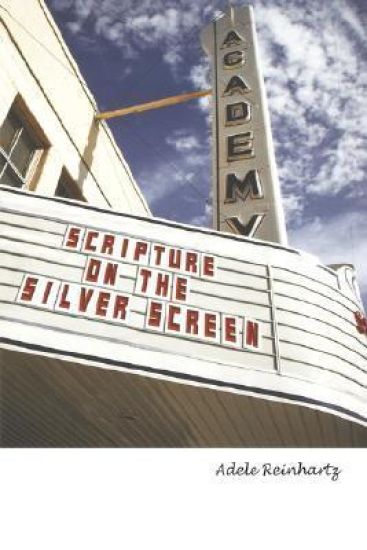
Eloquently written and meticulously researched, Scripture on the Silver Screen offers all students of Scripture--whether in an academic classroom or at home--an inviting new way to further their biblical literacy. It questions the "Hollywoood Hermeneutic" that too often views the Bible as prop, but also recognizes the contributions of movies that successfully integrate the Bible as a plot-making device. Each chapter begins with a discussion on the focal Bible passage, placing it in its literary and historical context, followed by a summary of the film and its main themes.
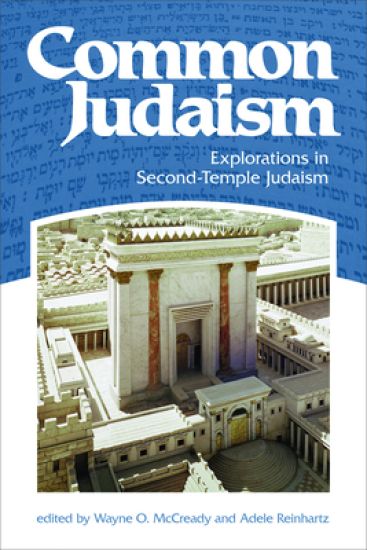
E. P. Sanders's monumental Judaism: Practice and Belief inaugurated vigorous debates about the extent and significance of commonality and diversity in ancient Judaism. Common Judaism gathers a host of scholars to present the state of our understanding of what was common ground in Second-Temple Judaism. By examining the tensions between a "common Judaism" and local settings, partisan Judaism, and the influence of Hellenism, these essays set contemporary discussion on a secure footing. An important resource for scholars and students alike, the contributors include: Lee I. Levine, Boaz Zissu, David Amit, Susan Haber, Albert I. Baumgarten, Anders Runesson, Cecilia Wassen, Anne Moore, Tessa Rajak, David Miller, Eliezer Segal, Seth Schwartz, and Ian W. Scott.
Adele Reinhartz has been studying and teaching the Gospel of John for many years. Earlier, she chose to ignore the love/hate relationship that the book provokes in her, a Jew, and took refuge in an "objective" historical-critical approach. At this stage her relationship to the Gospel was not so much a friendship as a business relationship. No longer willing to ignore the negative portrayal of Jews and Judaism in the text, nor the insight that her own Jewish identity inevitably does play a role in her work as an exegete, Reinhartz here explores the Fourth Gospel through the approach known as "ethical criticism," which is based on the metaphorical notion of the book as "friend"--not "an easy, unquestioning companionship," but the kind of honest relationship in which ethical considerations are addressed, not avoided. In a book as multilayered as the Gospel itself, Reinhartz engages in 4 different "readings" of the Fourth Gospel: compliant, resistant, sympathetic, and engaged. Each approach views the Beloved Disciple differently: as mentor, opponent, colleague, and as "other." In the course of each of these readings, she elucidates the three narrative levels that interpenetrate the Gospel: the historical, the cosmological, and the ecclesiological. In the latter, Reinhartz deals at length with the so-called expulsion theory, the dominant scholarly notion that the Johannine community, which included believers of Jewish, Gentile, and Samaritan origins, engaged in a prolonged and violent controversy with the local Jewish community, culminating in a "traumatic expulsion from the synagogue."
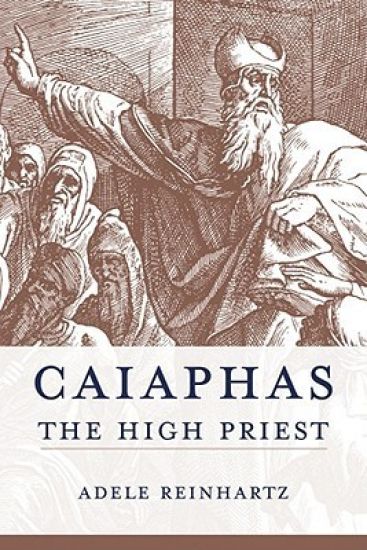
As the Roman-appointed high priest who had a hand in orchestrating Jesus's Crucifixion, Caiaphas secured his place in infamy alongside Pontius Pilate. Viewing Caiaphas as more than just a one-dimensional villain, Adele Reinhartz offers a thorough reconsideration of representations of Caiaphas in the Gospels and other ancient texts as well as in subsequent visual arts, literature, film, and drama.
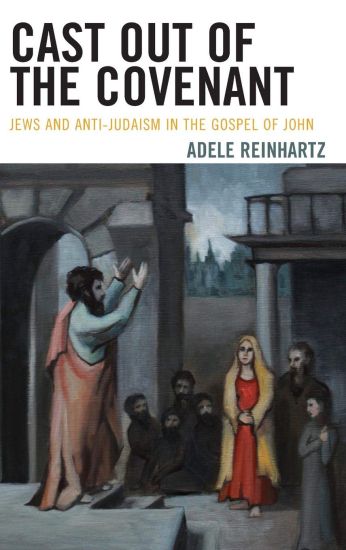
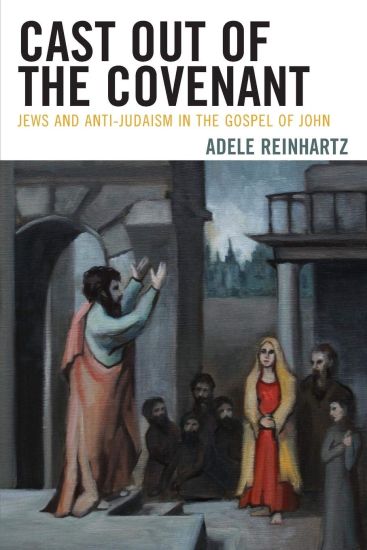
The Gospel of John presents its readers, listeners, and interpreters with a serious problem: how can we reconcile the Gospel’s exalted spirituality and deep knowledge of Judaism with its portrayal of the Jews as the children of the devil (John 8:44) who persecuted Christ and his followers? One widespread solution to this problem is the so-called “expulsion hypothesis.” According to this view, the Fourth Gospel was addressed to a Jewish group of believers in Christ that had been expelled from the synagogue due to their faith. The anti-Jewish elements express their natural resentment of how they had been treated; the Jewish elements of the Gospel, on the other hand, reflect the Jewishness of this group and also soften the force of the Gospel’s anti-Jewish comments. In Cast out of the Covenant, this book, Adele Reinhartz presents a detailed critique of the expulsion hypothesis on literary and historical grounds. She argues that, far from softening the Gospel’s anti-Jewishness, the Gospel’s Jewish elements in fact contribute to it. Focusing on the Gospel’s persuasive language and intentions, Reinhartz shows that the Gospel’s anti-Jewishness is evident not only in the Gospel’s hostile comments about the Jews but also in its appropriation of Torah, Temple, and Covenant that were so central to first-century Jewish identity. Through its skillful use of rhetoric, the Gospel attempts to convince its audience that God’s favor had turned away from the Jews to the Gentiles; that there is a deep rift between the synagogue and those who confess Christ as Messiah; and that, in the Gospel’s view, this rift was initiated in Jesus’ own lifetime. The Fourth Gospel, Reinhartz argues, appropriates Jewishness at the same time as it repudiates Jews. In doing so, it also promotes a “parting of the ways” between those who believe that Jesus is the messiah, the Son of God, and those who do not, that is, the Jews. This rhetorical program, she suggests, may have been used to promote outreach or even an organized mission to the Gentiles, following in the footsteps of Paul and his mid-first-century contemporaries.
The Gospel of John presents its readers, listeners, and interpreters with a serious problem: how can we reconcile the Gospel’s exalted spirituality and deep knowledge of Judaism with its portrayal of the Jews as the children of the devil (John 8:44) who persecuted Christ and his followers? One widespread solution to this problem is the so-called “expulsion hypothesis.” According to this view, the Fourth Gospel was addressed to a Jewish group of believers in Christ that had been expelled from the synagogue due to their faith. The anti-Jewish elements express their natural resentment of how they had been treated; the Jewish elements of the Gospel, on the other hand, reflect the Jewishness of this group and also soften the force of the Gospel’s anti-Jewish comments. In Cast out of the Covenant, this book, Adele Reinhartz presents a detailed critique of the expulsion hypothesis on literary and historical grounds. She argues that, far from softening the Gospel’s anti-Jewishness, the Gospel’s Jewish elements in fact contribute to it. Focusing on the Gospel’s persuasive language and intentions, Reinhartz shows that the Gospel’s anti-Jewishness is evident not only in the Gospel’s hostile comments about the Jews but also in its appropriation of Torah, Temple, and Covenant that were so central to first-century Jewish identity. Through its skillful use of rhetoric, the Gospel attempts to convince its audience that God’s favor had turned away from the Jews to the Gentiles; that there is a deep rift between the synagogue and those who confess Christ as Messiah; and that, in the Gospel’s view, this rift was initiated in Jesus’ own lifetime. The Fourth Gospel, Reinhartz argues, appropriates Jewishness at the same time as it repudiates Jews. In doing so, it also promotes a “parting of the ways” between those who believe that Jesus is the messiah, the Son of God, and those who do not, that is, the Jews. This rhetorical program, she suggests, may have been used to promote outreach or even an organized mission to the Gentiles, following in the footsteps of Paul and his mid-first-century contemporaries.
The Gospel of John is a book that tantalizes and disturbs in equal measure. Its sublime imagery makes spirits soar. Its positive portrayal of women such as the Samaritan woman, the Bethany sisters, and Mary Magdalene, tickle the imagination when it comes to the roles of women in the early church. Its disparagement of the Jews, however, reverberates through the long history of anti-Judaism and antisemitism to this very day. Adele Reinhartz has been one of the foremost interpreters of the Gospel of John for the past thirty years and more. This volume contains a selection of her essays on the Fourth Gospel, originally published from 1991 to 2020. The collection focuses on four major themes. Essays on Gender consider the Gospel’s portrayal of female characters, its christological use of female imagery, and the possibility of reading social history into or out of the Fourth Gospel. Essays on "the Jews" explore the representation of the ioudaioi, and respond to approaches employed by scholars to address the fraught question of anti-Judaism. The section on Method includes essays that apply different approaches, such as trauma theory, postcolonial theory, and literary and rhetorical criticism to issues in Johannine studies. The final section, on Ethics, considers ethics from two perspectives: the ethical stance(s) that a reader brings to her reading of John, and the question of whether the Gospel portrays Jesus as an ethical actor.
This Element focuses on the historiography of Christian origins from the mid-19th century to the present. It argues that this historiography is shaped by two factors: the theories and ideas that prevailed in the historians' own eras; and the views about Jews and Judaism in predominantly Christian societies. In the mid-19th century, the Great Man theory, developed by Thomas Carlyle, fostered debates about which Great Man - Jesus or Paul - founded Christianity. In the late 19th century, evolutionary theory, especially as developed by Charles Darwin, helped shape narratives about the evolution of Christianity out of, or away from, Judaism. After 1945, Holocaust theory prompted historians to reconsider the implicit and explicit anti-Judaism of earlier views. From the late 20th century to the present, postmodern theory challenged metanarratives and binaries – such as Judaism/Christianity – and the very attempt to arrive at a comprehensive and linear account of Christian origins.
This Element focuses on the historiography of Christian origins from the mid-19th century to the present. It argues that this historiography is shaped by two factors: the theories and ideas that prevailed in the historians' own eras; and the views about Jews and Judaism in predominantly Christian societies. In the mid-19th century, the Great Man theory, developed by Thomas Carlyle, fostered debates about which Great Man - Jesus or Paul - founded Christianity. In the late 19th century, evolutionary theory, especially as developed by Charles Darwin, helped shape narratives about the evolution of Christianity out of, or away from, Judaism. After 1945, Holocaust theory prompted historians to reconsider the implicit and explicit anti-Judaism of earlier views. From the late 20th century to the present, postmodern theory challenged metanarratives and binaries – such as Judaism/Christianity – and the very attempt to arrive at a comprehensive and linear account of Christian origins.