Kirjojen hintavertailu. Mukana 12 459 402 kirjaa ja 12 kauppaa.

Kirjahaku

Etsi kirjoja tekijän nimen, kirjan nimen tai ISBN:n perusteella.

2 kirjaa tekijältä Adrian Bot, Constantin A. Bona

Genetic Immunization

Genetic Immunization

Adrian Bot; Constantin A. Bona

Kluwer Academic/Plenum Publishers
2000
sidottu
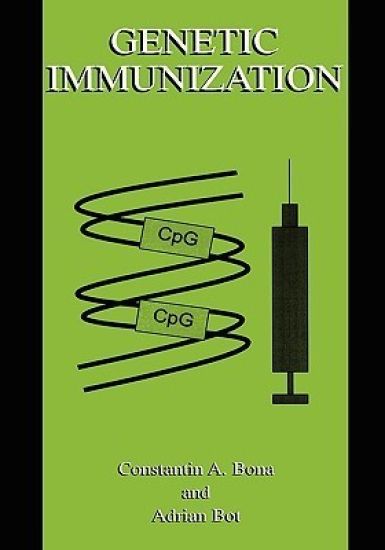
Wolf's discovery demonstrating that a reporter gene is expressed in myocytes subsequent to injection of naked DNA, was exploited by immunologists and vaccinologists to develop a new generation of vaccines. This observation galvanized the research and in a short lapse of time, an oceanic volume of knowledge has been accumulated. The research carried out in a variety of animal models showed the efficacy of genetic immunization against viruses, bacteria, and some parasites by the ability to induce a strong priming effect resulting from long-lasting persistence of plasmid as episomes. Furthermore, it was demonstrated that newborn or infant immune unresponsiveness to classical vaccines can be corrected by genetic immunization. The applications of genetic immunization for prophylaxis of infections was extended to immunotherapy, namely, cancerous, auto­ immune, and allergic diseases. Immunologists have provided pertinent information on the cellular basis of the immune responses elicited by genetic immunization, and molecular biologists have established the molecular basis of intrinsic adjuvant properties of plasmids.
Genetic Immunization

Genetic Immunization

Adrian Bot; Constantin A. Bona

Springer-Verlag New York Inc.
2010
nidottu
Wolf's discovery demonstrating that a reporter gene is expressed in myocytes subsequent to injection of naked DNA, was exploited by immunologists and vaccinologists to develop a new generation of vaccines. This observation galvanized the research and in a short lapse of time, an oceanic volume of knowledge has been accumulated. The research carried out in a variety of animal models showed the efficacy of genetic immunization against viruses, bacteria, and some parasites by the ability to induce a strong priming effect resulting from long-lasting persistence of plasmid as episomes. Furthermore, it was demonstrated that newborn or infant immune unresponsiveness to classical vaccines can be corrected by genetic immunization. The applications of genetic immunization for prophylaxis of infections was extended to immunotherapy, namely, cancerous, auto­ immune, and allergic diseases. Immunologists have provided pertinent information on the cellular basis of the immune responses elicited by genetic immunization, and molecular biologists have established the molecular basis of intrinsic adjuvant properties of plasmids.