Kirjojen hintavertailu. Mukana 12 016 292 kirjaa ja 12 kauppaa.

Kirjahaku

Etsi kirjoja tekijän nimen, kirjan nimen tai ISBN:n perusteella.

5 kirjaa tekijältä Adrian Gregory

A War of Peoples 1914-1919

A War of Peoples 1914-1919

Adrian Gregory

Oxford University Press
2014
sidottu
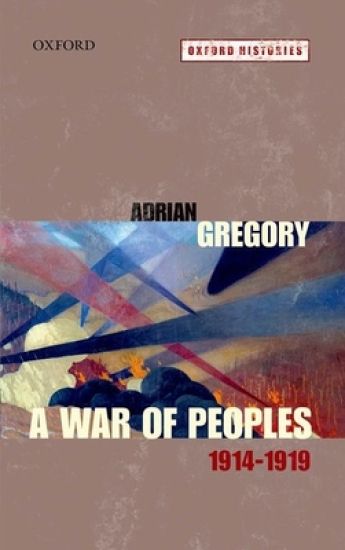
A War of Peoples, 1914-1919 provides a new perspective on the First World War, offering a concise narrative of the war from the first military actions in July 1914 until the signing of the peace treaty by Germany in July 1919. Adrian Gregory considers the sources of information available to historians and the ways in which historians have written about the war for over fifty years. This volume will appeal equally to people with little or no familiarity with the events of the war and to those who already think they know about it. It presents a thought-provoking account which reflects the changes to historians' understanding of the war. There is a great deal of emphasis on aspect of the war which are less familiar to English-speaking audiences, particularly the war in Eastern Europe, in the Balkans, and on the Italian front. A War of Peoples, 1914-1919 concludes in 1919 with a study of the fraught and complex process of peace making, a subject which is often neglected in general surveys that end on 11 November 1918.
A War of Peoples 1914-1919

A War of Peoples 1914-1919

Adrian Gregory

Oxford University Press
2014
nidottu
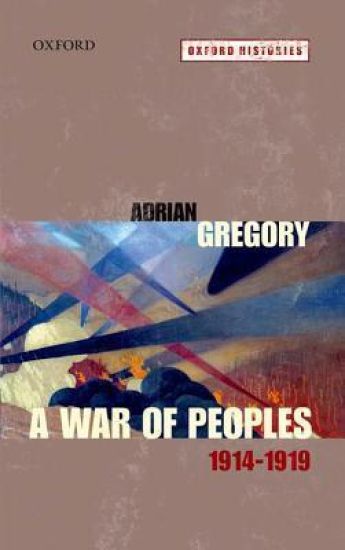
A War of Peoples, 1914-1919 provides a new perspective on the First World War, offering a concise narrative of the war from the first military actions in July 1914 until the signing of the peace treaty by Germany in July 1919. Adrian Gregory considers the sources of information available to historians and the ways in which historians have written about the war for over fifty years. This volume will appeal equally to people with little or no familiarity with the events of the war and to those who already think they know about it. It presents a thought-provoking account which reflects the changes to historians' understanding of the war. There is a great deal of emphasis on aspect of the war which are less familiar to English-speaking audiences, particularly the war in Eastern Europe, in the Balkans, and on the Italian front. A War of Peoples, 1914-1919 concludes in 1919 with a study of the fraught and complex process of peace making, a subject which is often neglected in general surveys that end on 11 November 1918.
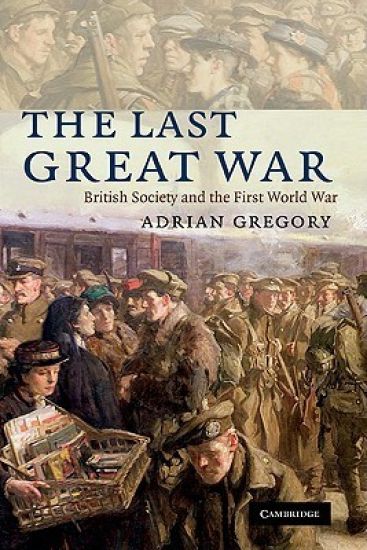
The Last Great War

The Last Great War

Adrian Gregory

Cambridge University Press
2008
sidottu
What was it that the British people believed they were fighting for in 1914–18? This compelling history of the British home front during the First World War offers an entirely new account of how British society understood and endured the war. Drawing on official archives, memoirs, diaries and letters, Adrian Gregory sheds new light on the public reaction to the war, examining the role of propaganda and rumour in fostering patriotism and hatred of the enemy. He shows the importance of the ethic of volunteerism and the rhetoric of sacrifice in debates over where the burdens of war should fall as well as the influence of religious ideas on wartime culture. As the war drew to a climax and tensions about the distribution of sacrifices threatened to tear society apart, he shows how victory and the processes of commemoration helped create a fiction of a society united in grief.
The Silence of Memory

The Silence of Memory

Adrian Gregory

BLOOMSBURY PUBLISHING PLC
1994
sidottu
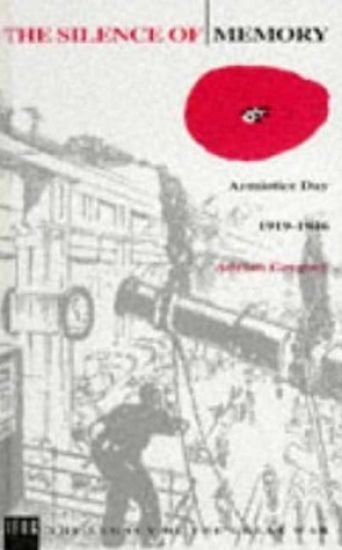
Nominated for the Longman History Today Book of the Year Prize, 1995The first full-scale study of the rituals with which the British people commemorated three-quarters of a million war dead.Explains both the origins of the two minutes silence and the reasons for the success of the poppy appeal.This book examines how the British people came to terms with the massive trauma of the First World War. Although the literary memory of the war has often been discussed, little has been written on the public ceremonies on and around 11 November which dominated the public memory of the war in the inter-war years. This book aims to remedy the deficiency by showing the pre-eminence of Armistice Day, both in reflecting what people felt about the war and in shaping their memories of it. It shows that this memory was complex rather than simple and that it was continually contested. Finally it seeks to examine the impact of the Second World War on the memory of the First and to show how difficult it is to recapture the idealistic assumptions of a world that believed it had experienced 'the war to end all wars'.
The Silence of Memory

The Silence of Memory

Adrian Gregory

Berg Publishers
1994
nidottu
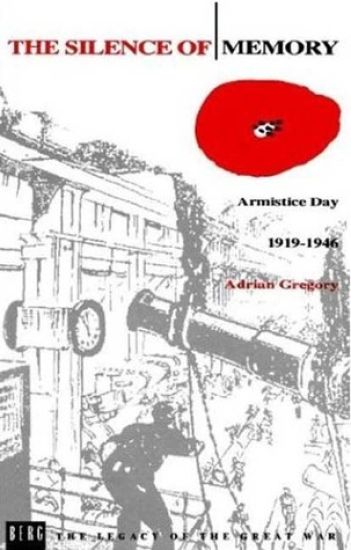
Nominated for the Longman History Today Book of the Year Prize, 1995The first full-scale study of the rituals with which the British people commemorated three-quarters of a million war dead.Explains both the origins of the two minutes silence and the reasons for the success of the poppy appeal.This book examines how the British people came to terms with the massive trauma of the First World War. Although the literary memory of the war has often been discussed, little has been written on the public ceremonies on and around 11 November which dominated the public memory of the war in the inter-war years. This book aims to remedy the deficiency by showing the pre-eminence of Armistice Day, both in reflecting what people felt about the war and in shaping their memories of it. It shows that this memory was complex rather than simple and that it was continually contested. Finally it seeks to examine the impact of the Second World War on the memory of the First and to show how difficult it is to recapture the idealistic assumptions of a world that believed it had experienced 'the war to end all wars'.