Kirjojen hintavertailu. Mukana 11 699 587 kirjaa ja 12 kauppaa.

Kirjahaku

Etsi kirjoja tekijän nimen, kirjan nimen tai ISBN:n perusteella.

7 kirjaa tekijältä Adrian Pabst

Liberal World Order and Its Critics
Liberals blame the retreat of the liberal world order on populists at home and authoritarian leaders abroad. Only liberalism, so they claim, can defend the rules-based international system against demagogy, corruption and nationalism. This provocative book contends that the liberal world order is illiberal and undemocratic – intolerant about the cultural values of ordinary people in the West and elsewhere while concentrating power in the hands of unaccountable Western elites and Western-dominated institutions.Under the influence of contemporary liberalism, the international system is fuelling economic injustice, social fragmentation and a worldwide “culture war” between globalists and nativists. Liberals, far from defending rules, have broken international law and imposed their version of market fundamentalism and democracy promotion by military means. Liberal “civilisation” has fuelled resentment across the world by imposing a narrow worldview that pits cultures against one another. To avoid a descent into a violent culture clash, this book proposes radical ideas for international order that take the form of cultural commonwealths – social bonds and crossborder cultural ties on which international trust and cooperation depends.The book’s defence of an older order against both liberals and nationalists will speak to all readers trying to understand our age of anger. This book will be of key interest to scholars, students and readers of liberalism, political theory and democracy, and more broadly to comparative politics and international relations.
Liberal World Order and Its Critics
Liberals blame the retreat of the liberal world order on populists at home and authoritarian leaders abroad. Only liberalism, so they claim, can defend the rules-based international system against demagogy, corruption and nationalism. This provocative book contends that the liberal world order is illiberal and undemocratic – intolerant about the cultural values of ordinary people in the West and elsewhere while concentrating power in the hands of unaccountable Western elites and Western-dominated institutions.Under the influence of contemporary liberalism, the international system is fuelling economic injustice, social fragmentation and a worldwide “culture war” between globalists and nativists. Liberals, far from defending rules, have broken international law and imposed their version of market fundamentalism and democracy promotion by military means. Liberal “civilisation” has fuelled resentment across the world by imposing a narrow worldview that pits cultures against one another. To avoid a descent into a violent culture clash, this book proposes radical ideas for international order that take the form of cultural commonwealths – social bonds and crossborder cultural ties on which international trust and cooperation depends.The book’s defence of an older order against both liberals and nationalists will speak to all readers trying to understand our age of anger. This book will be of key interest to scholars, students and readers of liberalism, political theory and democracy, and more broadly to comparative politics and international relations.
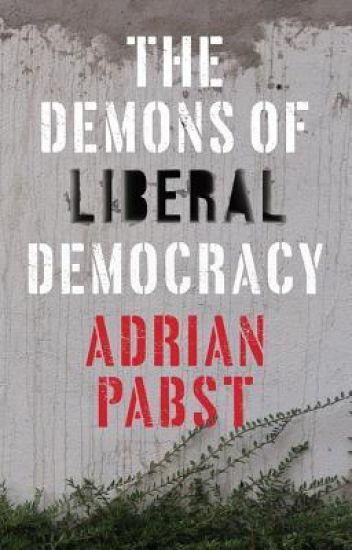
The Demons of Liberal Democracy

The Demons of Liberal Democracy

Adrian Pabst

Polity Press
2019
sidottu
Liberals blame the global retreat of liberal democracy on globalisation and authoritarian leaders. Only liberalism, so they assume, can defend democratic rule against multinationals or populists at home and abroad. In this provocative book, Adrian Pabst contends that liberal democracy is illiberal and undemocratic – intolerant about the values of ordinary people while concentrating power and wealth in the hands of unaccountable elites. Under the influence of contemporary liberalism, democracy is sliding into oligarchy, demagogy and anarchy. Liberals, far from defending open markets and free speech, promote monopolies such as the new tech giants that undermine competition and democratic debate. Liberal individualism has eroded the social bonds and civic duties on which democracy depends for trust and cooperation. To banish liberal democracy’s demons, Pabst proposes radical ideas for economic democracy, a politics of persuasion and a better balance of personal freedom with social solidarity. This book’s defence of democratic politics against both liberals and populists will speak to all readers trying to understand our age of upheaval.
The Demons of Liberal Democracy

The Demons of Liberal Democracy

Adrian Pabst

Polity Press
2019
nidottu
Liberals blame the global retreat of liberal democracy on globalisation and authoritarian leaders. Only liberalism, so they assume, can defend democratic rule against multinationals or populists at home and abroad. In this provocative book, Adrian Pabst contends that liberal democracy is illiberal and undemocratic – intolerant about the values of ordinary people while concentrating power and wealth in the hands of unaccountable elites. Under the influence of contemporary liberalism, democracy is sliding into oligarchy, demagogy and anarchy. Liberals, far from defending open markets and free speech, promote monopolies such as the new tech giants that undermine competition and democratic debate. Liberal individualism has eroded the social bonds and civic duties on which democracy depends for trust and cooperation. To banish liberal democracy’s demons, Pabst proposes radical ideas for economic democracy, a politics of persuasion and a better balance of personal freedom with social solidarity. This book’s defence of democratic politics against both liberals and populists will speak to all readers trying to understand our age of upheaval.
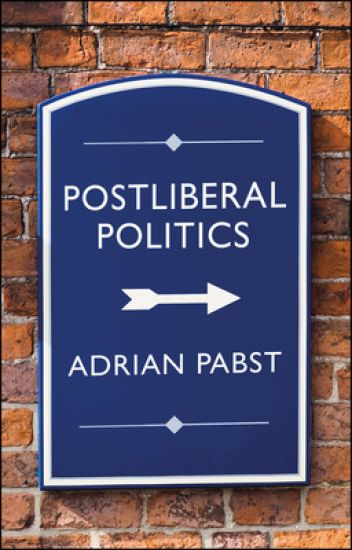
Postliberal Politics

Postliberal Politics

Adrian Pabst

Polity Press
2021
sidottu
Hyper-capitalism and extreme identity politics are driving us to distraction. Both destroy the basis of a common life shared across ages and classes. The COVID-19 crisis could accelerate these tendencies further, or it could herald something more hopeful: a post-liberal moment. Adrian Pabst argues that now is the time for an alternative – postliberalism – that is centred around trust, dignity, and human relationships. Instead of reverting to the destabilising inhumanity of 'just-in-time' free-market globalisation, we could build a politics upon the sense of localism and community spirit, the valuing of family, place and belonging, which was a real theme of lockdown. We are not obliged to put up with the restoration of a broken status quo that erodes trust, undermines institutions and trashes our precious natural environment. We could build a pluralist democracy, decentralise the state, and promote embedded, mutualist markets. This bold book shows that only a politics which fuses economic justice with social solidarity and ecological balance can overcome our deep divisions and save us from authoritarian backlash.?
Postliberal Politics

Postliberal Politics

Adrian Pabst

Polity Press
2021
nidottu
Hyper-capitalism and extreme identity politics are driving us to distraction. Both destroy the basis of a common life shared across ages and classes. The COVID-19 crisis could accelerate these tendencies further, or it could herald something more hopeful: a post-liberal moment. Adrian Pabst argues that now is the time for an alternative – postliberalism – that is centred around trust, dignity, and human relationships. Instead of reverting to the destabilising inhumanity of 'just-in-time' free-market globalisation, we could build a politics upon the sense of localism and community spirit, the valuing of family, place and belonging, which was a real theme of lockdown. We are not obliged to put up with the restoration of a broken status quo that erodes trust, undermines institutions and trashes our precious natural environment. We could build a pluralist democracy, decentralise the state, and promote embedded, mutualist markets. This bold book shows that only a politics which fuses economic justice with social solidarity and ecological balance can overcome our deep divisions and save us from authoritarian backlash.?
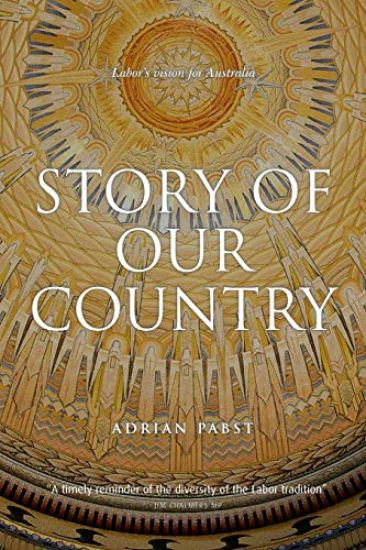
Story of Our Country

Story of Our Country

Adrian Pabst

Connor Court Publishing Pty Ltd
2019
pokkari
Paul Keating once remarked, "We at least in the Labor Party know that we are part of a big story, which is also the story of our country". Story of Our Country unpacks that big story and Labor's place in Australia's narrative. It explains why the ALP's purpose and character make it unique among centre-left parties in America, Britain, and Europe. Central to Labor's purpose is its promise to offer people a "share in those things that make life worth living" - the common good. Labor's vision of the good life is anchored in the everyday experience of working people. This gives Labor its distinctive strength - a paradoxical character that is at once progressive and conservative. Adrian Pabst argues that to gain and retain power, Labor needs to build coalitions between its traditional working-class base and middle-class voters. Labor can achieve this by deploying its distinctive strength to tackle the most critical issues facing Australia: inequality, precarious jobs, the care crisis, climate change, and emerging foreign powers.