Kirjojen hintavertailu. Mukana 11 342 296 kirjaa ja 12 kauppaa.

Kirjahaku

Etsi kirjoja tekijän nimen, kirjan nimen tai ISBN:n perusteella.

9 kirjaa tekijältä Adrian Thomas

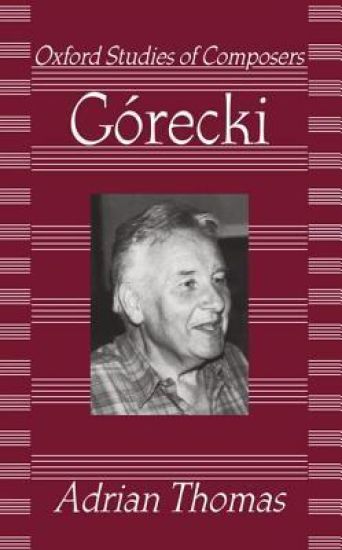
Gorecki

Gorecki

Adrian Thomas

Clarendon Press
1997
sidottu
The Polish composer Henryk Gorecki (born 1933) achieved world-wide renown in 1992 when his Third Symphony, written in 1976, was recorded on CD and became an international bestseller. It is now one of the best known musical compositions of recent years, yet Gorecki's other music is still relatively little known. This study, by a leading enthusiast of Gorecki's music, is the first detailed account of his works in any language, and provides biographicalinformation as background to the music.Adrian Thomas discusses Gorecki's position as leader of the Polish avant-garde in the late 1950s, and his subsequent discovery of the folk and church music of Old Poland, notably that of the Podhale region in southern Poland. He describes Gorecki's unmistakable musical world, from the large orchestral scores (Sconti, Refrain, the Symphonies) and the choral works (Beatus Vir, commissioned by and dedicated to Pope John Paul II), to the more modest church songs andfolk-song arrangements. There is a complete list of works since 1955 with details of instrumentation and recordings, and a select bibliography.
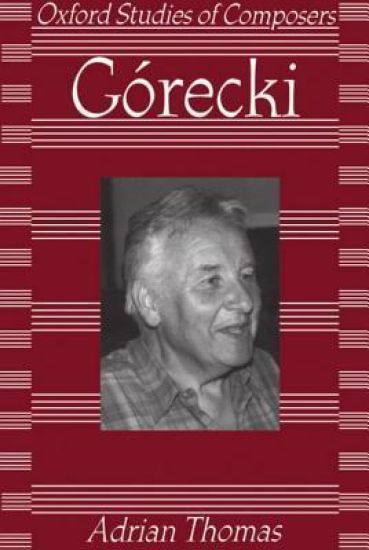
Gorecki

Gorecki

Adrian Thomas

Clarendon Press
1997
nidottu
This study of composer Henryk Gorecki provides biographical information as background to his music. It discusses his position as leader of the Polish avant-garde in the late 1950s, and his subsequent discovery of the folk and church music of old Poland. It includes a list of works since 1955.
Invisible Light

Invisible Light

Adrian Thomas

TAYLOR FRANCIS LTD
2024
nidottu
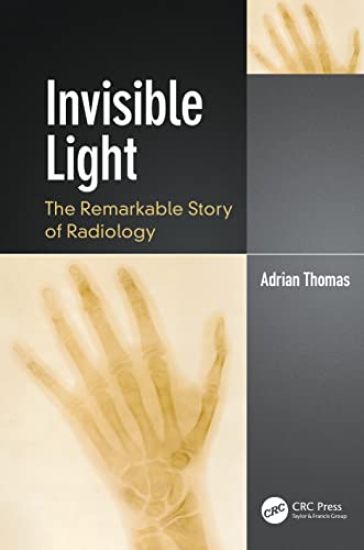
The book is a developed history of the radiological sciences – covering the back-story to Röntgen’s discovery, the discovery itself and immediate reception the early days of radiology leading to classical radiology (the pre-digital world). The 1970s as the ‘golden decade’ of radiology will be covered in detail, with the development of CT, MRI and modern interventional radiology. It will appeal to interested members of the public, to those working in the field, and to historians of medicine and science.Key Features:• Accessible and engaging, even for readers without any formal scientific training or education• Authored by an authority in the field • Contains previously unpublished materials from the author's extensive personal library and archive
Invisible Light

Invisible Light

Adrian Thomas

TAYLOR FRANCIS LTD
2022
sidottu
The book is a developed history of the radiological sciences – covering the back-story to Röntgen’s discovery, the discovery itself and immediate reception the early days of radiology leading to classical radiology (the pre-digital world). The 1970s as the ‘golden decade’ of radiology will be covered in detail, with the development of CT, MRI and modern interventional radiology. It will appeal to interested members of the public, to those working in the field, and to historians of medicine and science.Key Features:• Accessible and engaging, even for readers without any formal scientific training or education• Authored by an authority in the field • Contains previously unpublished materials from the author's extensive personal library and archive
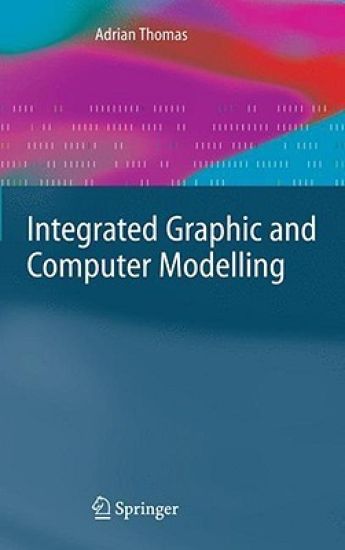
Integrated Graphic and Computer Modelling

Integrated Graphic and Computer Modelling

Adrian Thomas

Springer London Ltd
2014
nidottu
Computer languages and computer graphics have become the primary modes of human-computer interaction. This book provides a basic introduction to "Real and Virtual Environment" computer modelling. Graphics models are used to illustrate both the way computer languages are processed and also used to create computer models of graphic displays. Computer languages have been bootstrapped from machine code, to high-level languages such as Java, to animation scripting languages. Integrating graphic and computer models takes this support for programming, design and simulation work, one step further, allowing interactive computer graphic displays to be used to construct computer models of both real and virtual environment systems. The Java language is used to implement basic algorithms for language translation, and to generate graphic displays. It is also used to simulate the behaviour of a computer system, to explore the way programming and design-simulation environments can be put together.
RSPB Guide to Birdsong

RSPB Guide to Birdsong

Adrian Thomas

Bloomsbury Wildlife
2019
nidottu
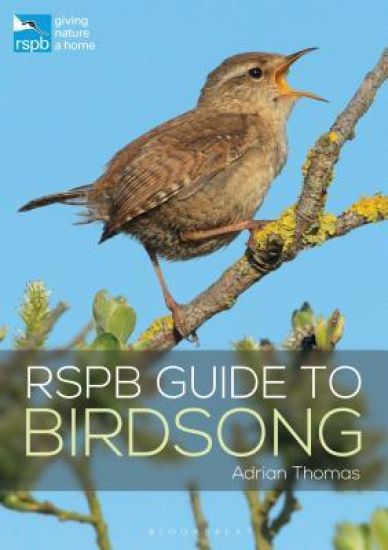
An RSPB audio and book guide to the birdsong of Britain's best known bird species.Birdsong is the natural soundtrack to our lives and can evoke a powerful sense of time, place and season. Often profoundly beautiful, it is also the most effective way to discover many birds, and birds’ songs and calls reveal much about their lives and behaviour. But identifying which bird is making which sound can seem challenging.With this groundbreaking and easy-to-use RSPB guide, Adrian Thomas helps you learn and identify bird sounds step by step and at your own pace. Whether you are an experienced birdwatcher or just enjoy hearing the birds in your garden, this new guide will open your ears like never before to the amazing songs and calls around you.Together the book and CD combine to create an RSPB-endorsed sound guide to more than 100 songs and calls of 65 garden, woodland and farmland birds, and a reference section describes in detail the sounds of a further 185 birds of Britain and north-west Europe. The 68-minute narrated recording can also be downloaded to listen to on the go, and is accompanied by beautiful colour photographs, annotated sonograms and ‘test yourself’ sections.
RSPB Gardening for Wildlife

RSPB Gardening for Wildlife

Adrian Thomas

Bloomsbury Wildlife
2021
sidottu
There is something uplifting about having butterflies in your flowerbeds, frogs in your water feature and birds in your bushes, and knowing they're there because of you. Rich in detail and accessible in style, Gardening for Wildlife is the crucial companion to novices and expert gardeners alike. Adrian Thomas dispels myths and offers new insights and ideas, helping everyone understand what to do so gardens, large or small, can become ideal homes for wildlife. Building on the success of the award-winning first edition, this expanded and updated edition reflects the latest research and developments in nature-friendly gardening.The book serves as an expert guide to the practical aspects of this rewarding pastime and educates readers about the ecological principles involved, while exploding commonly held misconceptions that often deter people from pursuing a kinder approach to gardening.Adrian Thomas provides a detailed guide to the many and varied species that can contribute to a natural and healthy garden. Practical sections help you create entire habitats, such as woodland and meadow gardens, in your garden. And the massively expanded catalogue of the top 500 best garden flowers, shrubs and trees for wildlife, now includes colour photos of every species.If you love wildlife and want to encourage more to visit your garden, this inspirational book will help you sow the seeds and reap the rewards.
Integrated Graphic and Computer Modelling

Integrated Graphic and Computer Modelling

Adrian Thomas

Springer London Ltd
2008
sidottu
Computer languages and computer graphics have become the primary modes of human-computer interaction. This book provides a basic introduction to "Real and Virtual Environment" computer modelling. Graphics models are used to illustrate both the way computer languages are processed and also used to create computer models of graphic displays. Computer languages have been bootstrapped from machine code, to high-level languages such as Java, to animation scripting languages. Integrating graphic and computer models takes this support for programming, design and simulation work, one step further, allowing interactive computer graphic displays to be used to construct computer models of both real and virtual environment systems. The Java language is used to implement basic algorithms for language translation, and to generate graphic displays. It is also used to simulate the behaviour of a computer system, to explore the way programming and design-simulation environments can be put together.