Kirjahaku
Etsi kirjoja tekijän nimen, kirjan nimen tai ISBN:n perusteella.
30 kirjaa tekijältä Alain Mabanckou
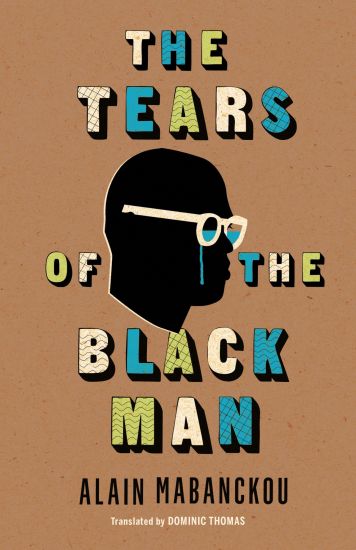
In The Tears of the Black Man, award-winning author Alain Mabanckou explores what it means to be black in the world today. Mabanckou confronts the long and entangled history of Africa, France, and the United States as it has been shaped by slavery, colonialism, and their legacy today. Without ignoring the injustices and prejudice still facing blacks, he distances himself from resentment and victimhood, arguing that focusing too intensely on the crimes of the past is limiting. Instead, it is time to ask: Now what? Embracing the challenges faced by ethnic minority communities today, The Tears of the Black Man looks to the future, choosing to believe that the history of Africa has yet to be written and seeking a path toward affirmation and reconciliation.
Set in the imaginary African Republic of Vietongo, The Negro Grandsons of Vercingetorix begins when conflict breaks out between rival leaders and the regional ethnic groups they represent. Events recorded in a series of notebooks under the watchful eye of Hortense Lloki show how civil war culminates in a series of outlandish actions perpetrated by the warring parties' private militias—the Anacondas and the Romans from the North who have seized power against Vercingetorix (named after none other than the legendary Gallic warrior who fought against Caesar's army) and his Little Negro Grandsons in the South who are eager to regain control. Award-winning author Alain Mabanckou is at his satiric best in this novel that catalogues the pain and suffering caused by the ravages of civil war. Translated into English for the first time, this novel provides a gritty slice of life in an active war zone.
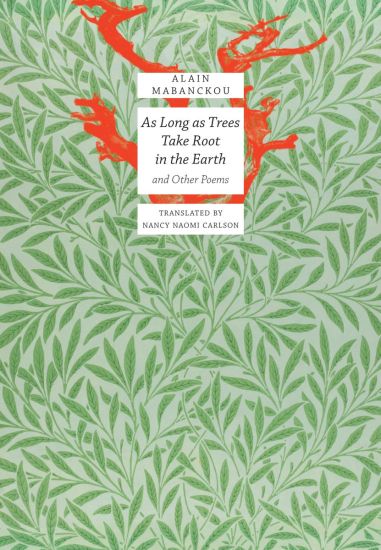
A hopeful, music-infused poetry collection from Congolese poet Alain Mabanckou. These compelling poems by novelist and essayist Alain Mabanckou conjure nostalgia for an African childhood where the fauna, flora, sounds, and smells evoke snapshots of a life forever gone. Mabanckou's poetry is frank and forthright, urging his compatriots to no longer be held hostage by the civil wars and political upheavals that have ravaged their country and to embrace a new era of self-determination where the village roosters can sing again. These music-infused texts, beautifully translated by Nancy Naomi Carlson and supported by a grant from the National Endowment for the Arts, appear together in English for the first time. In these pages, Mabanckou pays tribute to his beloved mother, as well as to the regenerative power of nature, and especially of trees, whose roots are a metaphor for the poet's roots, anchored in the red earth of his birthplace. Mabanckou's yearning for the land of his ancestors is even more poignant because he has been declared persona non grata in his homeland, now called Congo-Brazzaville, due to his biting criticism of the country's regime. Despite these barriers, his poetry exudes hope that nature's resilience will lead humankind on the path to redemption and reconciliation.
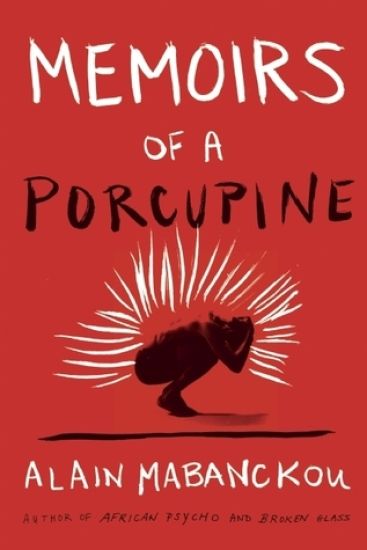
All human beings, says an African legend, have an animal double. Some doubles are benign, others wicked. This legend comes to life in Alain Mabanckou's outlandish, surreal, and charmingly nonchalant "Memoirs of a Porcupine."When Kibandi, a boy living in a Congolese village, reaches the age of 11, his father takes him out into the night and forces him to drink a vile liquid from a jar that has been hidden for years in the earth. This is his initiation. From now on, he and his double, a porcupine, become accomplices in murder. They attack neighbors, fellow villagers, and people who simply cross their path, for reasons so slight that it is virtually impossible to establish connection between the killings. As he grows older, Kibandi relies on his double to act out his grizzly compulsions, until one day even the porcupine balks and turns instead to literary confession.Winner of the Prix Renaudot, France's equal to the National Book Award, Alain Mabanckou is considered one of the most talented writers today. He was selected by the French journal "Lire" as one of fifty writers to watch this coming century. And as Peter Carey suggests, he "positions himself at the margins, tapping the tradition founded by Celine, Genet, and other subversive writers." In this superb and striking story, Mabanckou brings new power to magical realism, and is sure to excite American audiences nationwide.
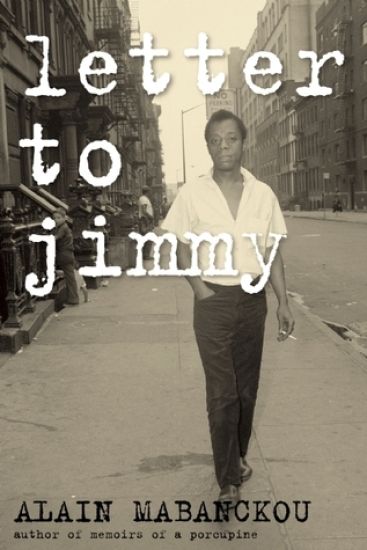
Written on the twentieth anniversary of James Baldwin's death, Letter to Jimmy is African writer Alain Mabanckou's ode to his literary hero and an effort to place Baldwin's life in context within the greater African diaspora. Beginning with a chance encounter with a beggar wandering along a Santa Monica beach--a man whose ragged clothes and unsteady gait remind the author of a character out of one of James Baldwin's novels-- Mabanckou uses his own experiences as an African living in the US as a launching pad to take readers on a fascinating tour of James Baldwin's life. As Mabanckou reads Baldwin's work, looks at pictures of him through the years, and explores Baldwin's checkered publishing history, he is always probing for answers about what it must have been like for the young Baldwin to live abroad as an African-American, to write obliquely about his own homosexuality, and to seek out mentors like Richard Wright and Ralph Ellison only to publicly reject them later. As Mabanckou travels to Paris, reads about French history and engages with contemporary readers, his letters to Baldwin grow more intimate and personal.He speaks to Baldwin as a peer--a writer who paved the way for his own work, and Mabanckou seems to believe, someone who might understand his experiences as an African expatriate.
From one of Africa's greatest living writers, a ghostly reckoning with Congolese history One day in the Congolese town of Pointe-Noire, Liwa Ekimakinga wakes to find himself in a cemetery where, three days earlier, he had been buried at the age of twenty-two in a pair of flared purple trousers in which he is now trapped forever. All around him are the other residents of the cemetery, all of whom have their own complex stories of life and death to share. Bewildered by his predicament and unwilling to relinquish his tender bond with his devoted grandmother, Liwa makes his way back home to see her one last time, against all spectral advice. As he does, disturbing rumors swirl together with Liwa's jumbled memories of his last night on earth, leading him to try and solve the mystery of his own untimely demise. Sure to appeal to readers of George Saunders's Lincoln in the Bardo, Dealing with the Dead is an exuberant, phantasmagorical tale of ambition, community, and forces beyond human control and a scathing satire on corruption and political violence by one of the most-recognized chroniclers of modern Central Africa.
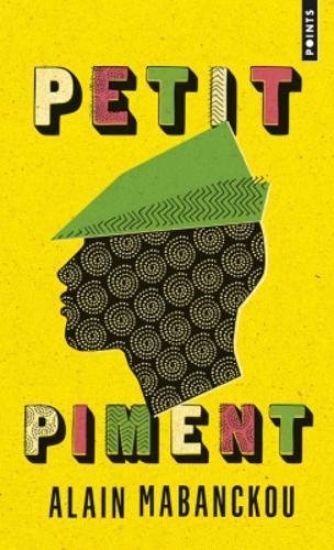
LONGLISTED FOR THE MAN BOOKER INTERNATIONAL PRIZE 2017 It's 1970, and in the People's Republic of Congo a Marxist-Leninist revolution is ushering in a new age. But over at the orphanage on the outskirts of Pointe-Noire where young Moses has grown up, the revolution has only strengthened the reign of terror of Dieudonné Ngoulmoumako, the institution's corrupt director. So Moses escapes to Pointe-Noire, where he finds a home with a larcenous band of Congolese Merry Men and among the Zairian prostitutes of the Trois-Cents quarter. But the authorities won't leave Moses in peace, and intervene to chase both the Merry Men and the Trois-Cents girls out of town. All this injustice pushes poor Moses over the edge. Could he really be the Robin Hood of the Congo? Or is he just losing his marbles? Black Moses is a larger-than-life comic tale of a young man obsessed with helping the helpless in an unjust world. It is also a vital new extension of Mabanckou's extraordinary, interlinked body of work dedicated to his native Congo, and confirms his status as one of our great storytellers.
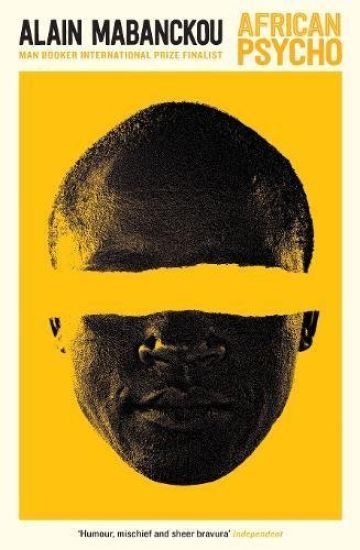
Finalist for the Man Booker International Prize 2015 Gregoire Nakobomayo, a petty criminal, has decided to kill his girlfriend Germaine. He's planned the crime for some time, but still, the act of murder requires a bit of psychological and logistical preparation. Luckily, he has a mentor to call on, the far more accomplished serial killer Angoualima. The fact that Angoualima is dead doesn't prevent Gregoire from holding lengthy conversations with him. Little by little, Gregoire interweaves Angoualima's life and criminal exploits with his own. Continuing with the plan despite a string of botched attempts, Gregoire's final shot at offing Germaine leads to an abrupt unravelling. Lauded in France for its fresh and witty style, African Psycho's inventive use of language surprises and relieves the reader by sending up this disturbing subject.
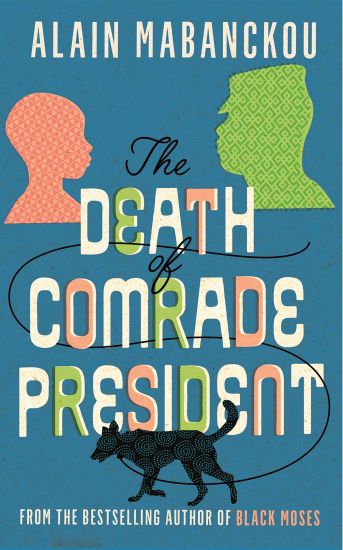
In Pointe-Noire, in the small neighbourhood of Voungou, on the family plot where young Michel lives with Maman Pauline and Papa Roger, life goes on. But Michel's everyday cares - lost grocery money, the whims of his parents' moods, their neighbours' squabbling, his endless daydreaming - are soon swept away by the wind of history. In March 1977, just before the arrival of the short rainy season, Comrade President Marien Ngouabi is brutally murdered in Brazzaville, and not even naïve Michel can remain untouched. Starting as a tender, wry portrait of an ordinary Congolese family, Alain Mabanckou quickly expands the scope of his story into a powerful examination of colonialism, decolonization and dead ends of the African continent. At a stroke Michel learns the realities of life - and how much must change for everything to stay the same.
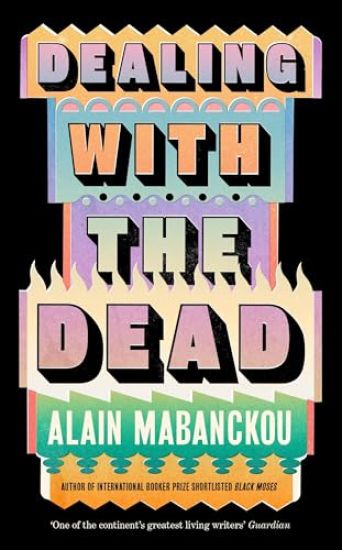
'One of Africa's greatest living writers' Guardian 'Sharp and entertaining' Times Literary Supplement 'Exuberant ... Dealing with the Dead is often damning, frequently hilarious and always compassionate' Financial Times Abruptly deceased at the age of twenty-four and trapped forever in flared purple trousers, Liwa Ekimakingaï encounters the other residents of Frère Lachaise cemetery, all of whom have their own complex stories of life and death. Unwilling to relinquish their tender bond, Liwa makes his way back home to Pointe-Noire to see his devoted grandmother one last time, against all spectral advice. But disturbing rumours swirl together with Liwa's jumbled memories of his last night on earth, leading him to pursue the riddle of his own untimely demise. A phantasmagorical tale of ambition, community and forces beyond human control, Dealing with the Dead is a scathing satire on corruption and political violence by one of the foremost chroniclers of modern Central Africa. 'Africa's Samuel Beckett' Economist Translated from the French by Helen Stevenson
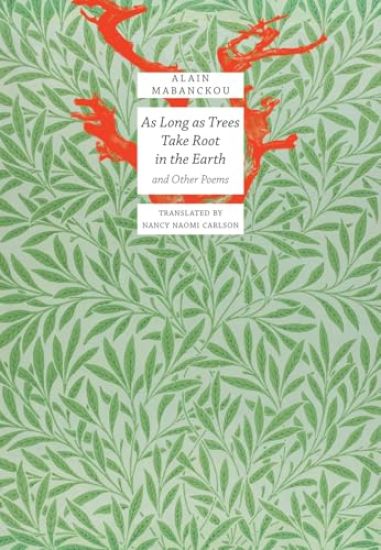
A hopeful, music-infused poetry collection from Congolese poet Alain Mabanckou. These compelling poems by novelist and essayist Alain Mabanckou conjure nostalgia for an African childhood where the fauna, flora, sounds, and smells evoke snapshots of a life forever gone. Mabanckou’s poetry is frank and forthright, urging his compatriots to no longer be held hostage by the civil wars and political upheavals that have ravaged their country and to embrace a new era of self-determination where the village roosters can sing again. These music-infused texts, beautifully translated by Nancy Naomi Carlson and supported by a grant from the National Endowment for the Arts, appear together in English for the first time. In these pages, Mabanckou pays tribute to his beloved mother, as well as to the regenerative power of nature, especially of trees, whose roots are a metaphor for the poet’s roots, anchored in the red earth of his birthplace. Mabanckou’s yearning for the land of his ancestors is even more poignant because he has been declared persona non grata in his homeland, now called Congo-Brazzaville, due to his biting criticism of the country’s regime. Despite these barriers, his poetry exudes hope that nature’s resilience will lead humankind on the path to redemption and reconciliation.
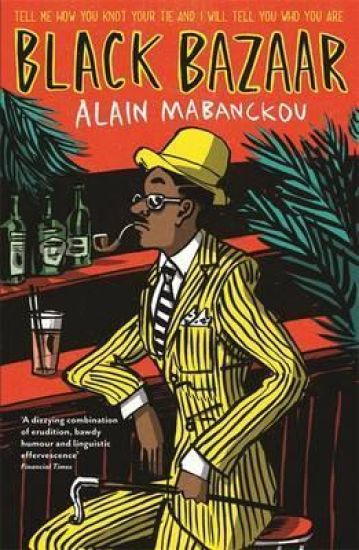
Finalist for the Man Booker International Prize 2015 Buttologist is down on his uppers. His girlfriend, Original Colour, has cleared out of their Paris studio and run off to the Congo with a vertically challenged drummer known as The Mongrel. She's taken their daughter with her. Meanwhile, a racist neighbour spies on him something wicked, accusing him of 'digging a hole in the Dole'. And his drinking buddies at Jips, the Afro-Cuban bar in Les Halles, pour scorn on Black Bazaar, the journal he keeps to log his sorrows. There are days when only the Arab in the corner shop has a kind word; while at night his dreams are stalked by the cannibal pygmies of Gabon. Then again, Buttologist wears no ordinary uppers. He has style, bags of it (suitcases of crocodile and anaconda Westons, to be precise). He's a dandy from the Bacongo district of Brazzaville - AKA a sapeur or member of the Society of Ambience-makers and People of Elegance. But is flaunting sartorial chic against tough times enough for Buttologist to cut it in the City of Light?
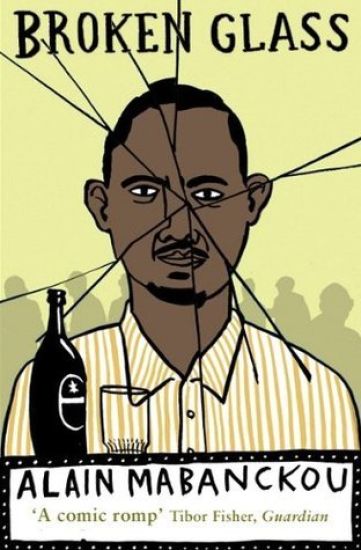
Finalist for the Man Booker International Prize 2015 The history of Credit Gone West, a squalid Congolese bar, is related by one of its most loyal customers, Broken Glass, who has been commissioned by its owner to set down an account of the characters who frequent it. Broken Glass himself is a disgraced alcoholic school teacher with a love of French language and literature which he has largely failed to communicate to his pupils but which he displays in the pages of his notebook. The notebook is also a farewell to the bar and to his fellow drinkers. After writing the final words, Broken Glass will go down to the River Tchinouka and throw himself into its murky waters, where his lamented mother also drowned. Broken Glass is a Congolese riff on European classics from the most notable Francophone African writer of his generation.
Finalist for the Man Booker International Prize 2015 Alain Mabanckou left Congo in 1989, at the age of twenty-two, not to return until a quarter of a century later. When at last he comes home to Pointe-Noire, a bustling port town on Congo's south-eastern coast, he finds a country that in some ways has changed beyond recognition: the cinema where, as a child, Mabanckou gorged on glamorous American culture has become a Pentecostal temple, and his secondary school has been re-named in honour of a previously despised colonial ruler. But many things remain unchanged, not least the swirling mythology of Congolese culture which still informs everyday life in Pointe-Noire. Mabanckou though, now a decorated French-Congolese writer and esteemed professor at UCLA, finds he can only look on as an outsider at the place where he grew up. As he delves into his childhood, into the life of his departed mother and into the strange mix of belonging and absence that informs his return to Congo, Mabanckou slowly builds a stirring exploration of the way home never leaves us, however long ago we left home.