Kirjojen hintavertailu. Mukana 12 016 292 kirjaa ja 12 kauppaa.

Kirjahaku

Etsi kirjoja tekijän nimen, kirjan nimen tai ISBN:n perusteella.

5 kirjaa tekijältä Alan Malachowski

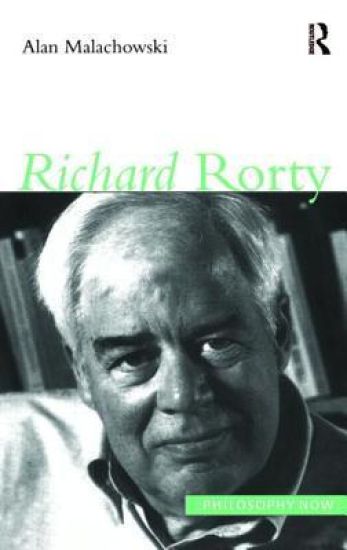
Richard Rorty

Richard Rorty

Alan Malachowski

Princeton University Press
2002
pokkari
Richard Rorty is one of the world's most influential living thinkers. He is notorious for contending that the traditional, foundation-building and truth-seeking ambitions of systematic philosophy should be set aside in favor of a more pragmatic, conversational, hermeneutically guided project. This challenge has not only struck at the heart of philosophy but has ricocheted across other disciplines, both contesting their received self-images and opening up new avenues of inquiry in the process. Alan Malachowski provides an authoritative overview of Rorty's considerable body of work and a general assessment of his impact both within philosophy and in the humanities more broadly. He begins by explaining the genesis of Rorty's central ideas, tracking their development from suggestions in his early papers through their crystallization in his groundbreaking book, Philosophy and the Mirror of Nature. Malachowski evaluates in detail some of the common criticisms of Rorty's position and his ensuing pragmatism. The book goes on to examine the subsequent evolution of his ideas, focusing particularly on the main themes of his second major work, Contingency, Irony, and Solidarity.The political and cultural impact of Rorty's writings on such diverse fields as feminism, cultural and literary theory, and international relations are also considered, and the author explores why Rorty's work has generally found its warmest reception in these areas rather than among mainstream philosophers. As the best available introduction to Rorty's thought, this is the ideal entry point for anyone seeking to learn what he has said and why it has been and continues to be so influential.
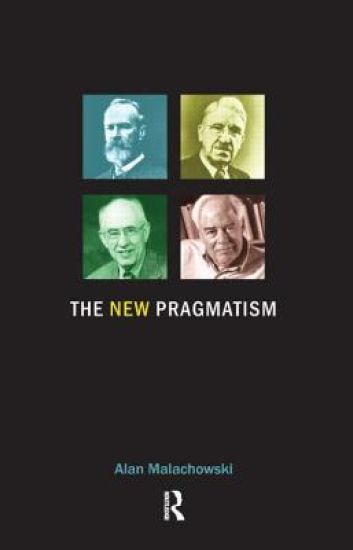
The New Pragmatism

The New Pragmatism

Alan Malachowski

Acumen Publishing Ltd
2006
sidottu
Some hundred years after its inception, Pragmatism has reclaimed centre stage, not just within philosophy, but also within intellectual culture as a whole. This book sets out to explain what it is about Pragmatism that makes it such a distinctively attractive prospect to so many thinkers, even in previously hostile traditions. Alan Malachowski sets out in a clear and accessible manner the original guiding thoughts behind the Pragmatist approach to philosophy and examines how these thoughts have faired in the hands of those largely responsible for the present revival (Putnam and Rorty). The Pragmatism that emerges from this exploration of its "classic" and "new wave" forms is then assessed in terms of both its philosophical potential and its wider cultural contribution. Readers will emerge from the book with a more secure grip on what Pragmatism involves and a correspondingly clearer grasp of what it has to offer and what its current resurgence is all about.
The New Pragmatism

The New Pragmatism

Alan Malachowski

Acumen Publishing Ltd
2006
nidottu
Some hundred years after its inception, Pragmatism has reclaimed centre stage, not just within philosophy, but also within intellectual culture as a whole. This book sets out to explain what it is about Pragmatism that makes it such a distinctively attractive prospect to so many thinkers, even in previously hostile traditions. Alan Malachowski sets out in a clear and accessible manner the original guiding thoughts behind the Pragmatist approach to philosophy and examines how these thoughts have faired in the hands of those largely responsible for the present revival (Putnam and Rorty). The Pragmatism that emerges from this exploration of its "classic" and "new wave" forms is then assessed in terms of both its philosophical potential and its wider cultural contribution. Readers will emerge from the book with a more secure grip on what Pragmatism involves and a correspondingly clearer grasp of what it has to offer and what its current resurgence is all about.
Richard Rorty

Richard Rorty

Alan Malachowski

Acumen Publishing Ltd
2002
sidottu
Richard Rorty is notorious for contending that the traditional, foundation-building and truth-seeking ambitions of systematic philosophy should be set aside in favour of a more pragmatic, conversational, hermeneutically guided project. This challenge has not only struck at the heart of philosophy but has ricocheted across other disciplines, both contesting their received self-images and opening up new avenues of inquiry in the process. Alan Malachowski provides an authoritative overview of Rorty's considerable body of work and a general assessment of his impact both within philosophy and in the humanities more broadly. He begins by explaining the genesis of Rorty's central ideas, tracking their development from suggestions in his early papers through their crystallization in his groundbreaking book, "Philosophy and the Mirror of Nature". Malachowski evaluates some of the common criticisms of Rorty's position and his ensuing pragmatism. The book examines the subsequent evolution of his ideas, focusing particularly on the main themes of his second major work, Contingency, Irony, and Solidarity. The political and cultural impact of Rorty's writings on such diverse fields as feminism, cultural and literary theory, and international relations are also considered, and the author explores why Rorty's work has generally found its warmest reception in these areas rather than among mainstream philosophers.
Richard Rorty

Richard Rorty

Alan Malachowski

Acumen Publishing Ltd
2002
nidottu
Richard Rorty is notorious for contending that the traditional, foundation-building and truth-seeking ambitions of systematic philosophy should be set aside in favour of a more pragmatic, conversational, hermeneutically guided project. This challenge has not only struck at the heart of philosophy but has ricocheted across other disciplines, both contesting their received self-images and opening up new avenues of inquiry in the process. Alan Malachowski provides an authoritative overview of Rorty's considerable body of work and a general assessment of his impact both within philosophy and in the humanities more broadly. He begins by explaining the genesis of Rorty's central ideas, tracking their development from suggestions in his early papers through their crystallization in his groundbreaking book, "Philosophy and the Mirror of Nature". Malachowski evaluates some of the common criticisms of Rorty's position and his ensuing pragmatism. The book examines the subsequent evolution of his ideas, focusing particularly on the main themes of his second major work, Contingency, Irony, and Solidarity. The political and cultural impact of Rorty's writings on such diverse fields as feminism, cultural and literary theory, and international relations are also considered, and the author explores why Rorty's work has generally found its warmest reception in these areas rather than among mainstream philosophers.