Kirjojen hintavertailu. Mukana 11 342 296 kirjaa ja 12 kauppaa.

Kirjahaku

Etsi kirjoja tekijän nimen, kirjan nimen tai ISBN:n perusteella.

6 kirjaa tekijältä Alan Warren Friedman

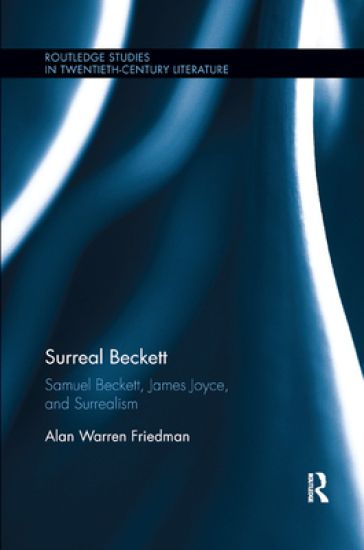
Surreal Beckett

Surreal Beckett

Alan Warren Friedman

Routledge
2019
nidottu
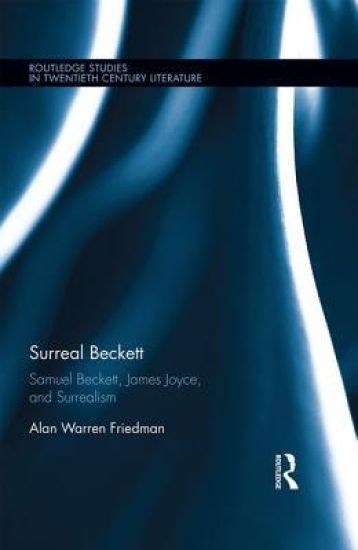
Surreal Beckett situates Beckett‘s writings within the context of James Joyce and Surrealism, distinguishing ways in which Beckett forged his own unique path, sometimes in accord with, sometimes at odds with, these two powerful predecessors. Beckett was so deeply enmeshed in Joyce’s circle during his early Paris days (1928 - late 1930s) that James Knowlson dubbed them his "Joyce years." But Surrealism and Surrealists rivaled Joyce for Beckett’s early and continuing attention, if not affection, so that Raymond Federman called 1929-45 Beckett’s "surrealist period." Considering both claims, this volume delves deeper into each argument by obscuring the boundaries between theses differentiating studies. These received wisdoms largely maintain that Beckett’s Joycean connection and influence developed a negative impact in his early works, and that Beckett only found his voice when he broke the connection after Joyce’s death. Beckett came to accept his own inner darkness as his subject matter, writing in French and using a first-person narrative voice in his fiction and competing personal voices in his plays. Critics have mainly viewed Beckett’s Surrealist connections as roughly co-terminus with Joycean ones, and ultimately of little enduring consequence. Surreal Beckett argues that both early influences went much deeper for Beckett as he made his own unique way forward, transforming them, particularly Surrealist ones, into resources that he drew upon his entire career. Ultimately, Beckett endowed his characters with resources sufficient to transcend limitations their surreal circumstances imposed upon them.
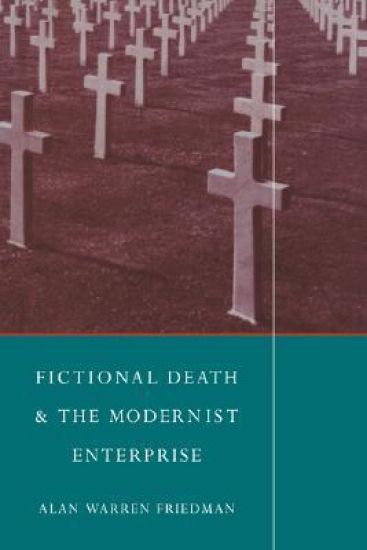
Fictional Death and the Modernist Enterprise

Fictional Death and the Modernist Enterprise

Alan Warren Friedman

Cambridge University Press
2008
pokkari
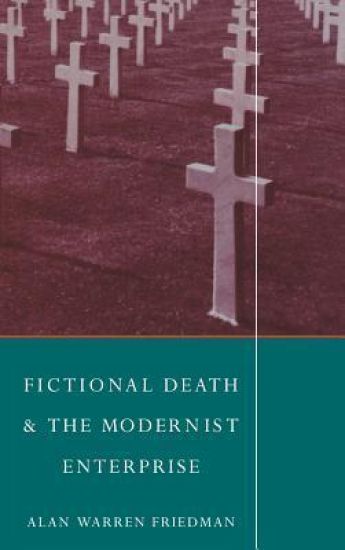
Cultures reveal themselves in how they react to death: how they ritualize it, tell its story, heal themselves. Before the modern period, death and dying seemed definitive, public and appropriate. The industrial revolution, the Great War and the radical re-envisioning of inner and outer reality after Marx, Darwin, Nietzsche, Einstein, van Gennep and Freud destabilized cultural norms and transformed the protocols of death and dying. In Fictional Death and the Modernist Enterprise, first published in 1995, Alan Friedman traces the semiotics of death and dying in twentieth-century fiction, history and culture. He describes how modernist writers either, like Forster and Woolf, elided rituals of dying and death; or, rediscovering the body as Lawrence and Hemingway did, transformed Victorian 'aesthetic death' into modern 'dirty death'. And he goes on to show how, through postmodern fiction and AIDS narratives, death has once again become cultural currency.
Fictional Death and the Modernist Enterprise

Fictional Death and the Modernist Enterprise

Alan Warren Friedman

Cambridge University Press
1995
sidottu
Cultures reveal themselves in how they react to death: how they ritualise it, tell its story, heal themselves. Before the modern period, death and dying seemed definitive, public, and appropriate. The industrial revolution, the Great War, and the radical re-envisioning of inner and outer reality after Marx, Darwin, Nietzsche, Einstein, van Gennep, and Freud, destabilised cultural norms and transformed the protocols of death and dying. In Fictional Death and the Modernist Enterprise Alan Friedman traces the semiotics of death and dying in twentieth-century fiction, history, and culture. He describes how modernist writers either, like Forster and Woolf, elided rituals of dying and death; or, rediscovering the body as Lawrence and Hemingway did, transformed Victorian ‘aesthetic death’ into modern ‘dirty death’. And he goes on to show how, through postmodern fiction and AIDS narratives, death has once again become cultural currency.
Shakespeare’s Returning Warriors – and Ours

Shakespeare’s Returning Warriors – and Ours

Alan Warren Friedman

Taylor Francis Ltd
2021
sidottu
Shakespeare’s Returning Warriors – and Ours takes its primary inspiration from the contemporary U.S. Post-Traumatic Stress Disorder (PTSD) crisis in soldiers transitioning from battlefields back into society. It begins by examining how ancient societies sought to ease the return of soldiers in order to minimize PTSD, though the term did not become widely used until the early 1980s. It then considers a dozen or so Shakespearean plays that depict such transitions at the start, focusing on the tragic protagonists and antagonists in paradigmatic "returning warrior" plays, including Titus Andronicus, Julius Caesar, Othello, Macbeth, Antony and Cleopatra, and Coriolanus, and exploring the psychological and emotional ill-fits that prevent warrriors from returning to the status quo ante after battlefield triumphs, or even surviving the psychic demons and moral disequilibrium they unleash on their domestic settings and themselves. It also analyzes the history plays, several comedies, and Hamlet as plays that partly conform to and also significantly deviate from the basic paradigm. The final chapter discusses recent attempts to effect successful transitions, often using Shakespeare’s plays as therapy, and depictions of attempts to wage warfare without inducing PTSD. Through the investigation of the tragedies and model returning warrior experiences, Shakespeare’s Returning Warriors – and Ours highlights a central and understudied feature of Shakespeare’s plays and what they can teach us about PTSD today when it is a widespread phenomenon in American society.
Shakespeare’s Returning Warriors – and Ours

Shakespeare’s Returning Warriors – and Ours

Alan Warren Friedman

TAYLOR FRANCIS LTD
2023
nidottu
Shakespeare’s Returning Warriors – and Ours takes its primary inspiration from the contemporary U.S. Post-Traumatic Stress Disorder (PTSD) crisis in soldiers transitioning from battlefields back into society. It begins by examining how ancient societies sought to ease the return of soldiers in order to minimize PTSD, though the term did not become widely used until the early 1980s. It then considers a dozen or so Shakespearean plays that depict such transitions at the start, focusing on the tragic protagonists and antagonists in paradigmatic "returning warrior" plays, including Titus Andronicus, Julius Caesar, Othello, Macbeth, Antony and Cleopatra, and Coriolanus, and exploring the psychological and emotional ill-fits that prevent warrriors from returning to the status quo ante after battlefield triumphs, or even surviving the psychic demons and moral disequilibrium they unleash on their domestic settings and themselves. It also analyzes the history plays, several comedies, and Hamlet as plays that partly conform to and also significantly deviate from the basic paradigm. The final chapter discusses recent attempts to effect successful transitions, often using Shakespeare’s plays as therapy, and depictions of attempts to wage warfare without inducing PTSD. Through the investigation of the tragedies and model returning warrior experiences, Shakespeare’s Returning Warriors – and Ours highlights a central and understudied feature of Shakespeare’s plays and what they can teach us about PTSD today when it is a widespread phenomenon in American society.
Surreal Beckett

Surreal Beckett

Alan Warren Friedman

Routledge
2017
sidottu
Surreal Beckett situates Beckett‘s writings within the context of James Joyce and Surrealism, distinguishing ways in which Beckett forged his own unique path, sometimes in accord with, sometimes at odds with, these two powerful predecessors. Beckett was so deeply enmeshed in Joyce’s circle during his early Paris days (1928 - late 1930s) that James Knowlson dubbed them his "Joyce years." But Surrealism and Surrealists rivaled Joyce for Beckett’s early and continuing attention, if not affection, so that Raymond Federman called 1929-45 Beckett’s "surrealist period." Considering both claims, this volume delves deeper into each argument by obscuring the boundaries between theses differentiating studies. These received wisdoms largely maintain that Beckett’s Joycean connection and influence developed a negative impact in his early works, and that Beckett only found his voice when he broke the connection after Joyce’s death. Beckett came to accept his own inner darkness as his subject matter, writing in French and using a first-person narrative voice in his fiction and competing personal voices in his plays. Critics have mainly viewed Beckett’s Surrealist connections as roughly co-terminus with Joycean ones, and ultimately of little enduring consequence. Surreal Beckett argues that both early influences went much deeper for Beckett as he made his own unique way forward, transforming them, particularly Surrealist ones, into resources that he drew upon his entire career. Ultimately, Beckett endowed his characters with resources sufficient to transcend limitations their surreal circumstances imposed upon them.