Kirjojen hintavertailu. Mukana 12 354 859 kirjaa ja 12 kauppaa.

Kirjahaku

Etsi kirjoja tekijän nimen, kirjan nimen tai ISBN:n perusteella.

3 kirjaa tekijältä Alastair Cameron

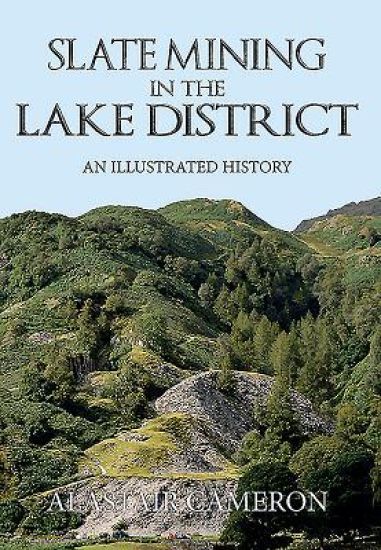
Slate Mining in the Lake District

Slate Mining in the Lake District

Alastair Cameron

Amberley Publishing
2016
nidottu
The remnants of slate mining and quarrying form as much a part of the Lakeland historic landscape as the stone walls, heathered moorlands and Lakeland farms do. A significant number of local families currently living in Lake District villages has had some connections with the slate industry in the past, and a few are still involved in the industry today. Although many believe that slate was worked during the Roman era, the present ‘style’ of slate-working started shortly after the Norman Conquest to help build the Norman castles, abbeys and priories in Britain. The Normans were familiar with slate; it had been worked for centuries earlier at sites in the Ardennes and in the Loire valley. By 1280 there are references to slate being worked at Longsleddale and by the fifteenth century the industry was well established throughout the district. Using historic detail, photographs and captions, Slate Mining in the Lake District: An Illustrated History explores the history of the industry in the Lake District. Considering slate mining’s key role in the heritage of this iconic national park, Alastair Cameron also details its present-day operations.
Ore Mining in the Lake District

Ore Mining in the Lake District

Alastair Cameron; Liz Withey

Amberley Publishing
2017
nidottu
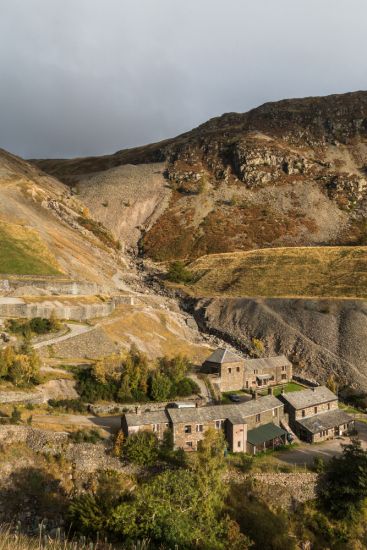
The Lake District mountains are full of mineral veins. Many have been discovered and worked over the past 1,000 years. Many still remain to be discovered. The last working metal-ore mine in the Lake District, the Force Crag Mine, closed in 1986. It is believed that mining commenced at Force Crag during the fifteenth century. Today, remains of this past extensive industry lie abandoned on the mountainsides and are now considered to be an iconic reflection of the Lake District’s industrial past. They blend in well with other iconic ‘industrial’ structures such as stone walls, drove roads and fell farms that exist throughout the district. For many years now industrial historians have studied these workings and also the lives of the skilled miners who spent their careers high on Lake District mountainsides, working the veins. Concern for the loss of many of these ancient sites has developed over recent years. In 1989 a report produced by local industrial archaeologists highlighted a list of twenty-seven former mining sites on the fells considered to be of such exceptional importance to the history of the Lake District communities that they should be given future protection. Many of these sites have been included in this definitive illustrated guide.
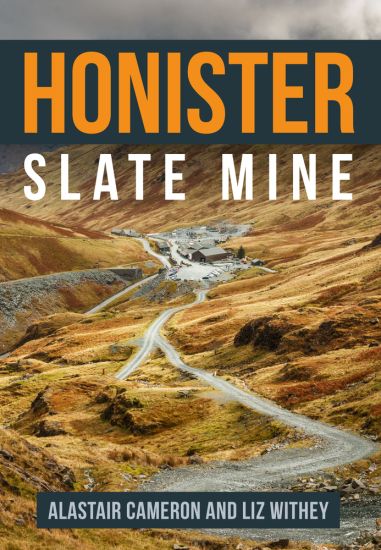
Honister Slate Mine

Honister Slate Mine

Alastair Cameron; Liz Withey

AMBERLEY PUBLISHING
2018
nidottu
Utilising a wealth of rare and unpublished images from official archives, authors Alastair Cameron and Liz Withey tell the story behind the development of the Honister Slate Mine in the Lake District. Though the exact date that mining at the site began is unknown, it was undoubtedly in operation shortly after the Norman Conquest. Slate was initially won from the surface of Honister Crag. Later, during Elizabethan times, skilled immigrant miners from the Tyrol taught native slate workers how to drive tunnels into the Crag to obtain slate from deeper underground. By the Victorian era operations had expanded considerably with large-scale underground mining under way. The many miles of rail track made the transport of slate much easier and processing sheds were constructed at the head of Honister Pass. In the 1980s the Honister Mine had closed down. The large-scale operation was uneconomic. Honister was much more suited to small-scale slate working with a greater environmental concern. But no one seemed to be prepared to take on such an undertaking. However, in 1997 news broke that the lease had been taken up by Mark Weir, the son of a local hill-farmer, with the intention of working slate again. The extraordinary story of Weir’s development of Honister Slate Mine is given in full in this book.