
Kirjahaku
Etsi kirjoja tekijän nimen, kirjan nimen tai ISBN:n perusteella.
13 kirjaa tekijältä Albert Wendt
An epic spanning three generations, Leaves of the Banyan Tree tells the story of a family and community in Western Samoa, exploring on a grand scale such universal themes as greed, corruption, colonialism, exploitation, and revenge. Winner of the 1980 New Zealand Wattie Book of the Year Award, it is considered a classic work of Pacific literature.
When Olamaiileoti Monroe takes her seventy-five-year-old father, Finau, on a pilgrimage to the Holy Land, both are caught up in a search for understanding of each other and the ties that bind them. Their story unfolds on an international stage--in Samoa, New Zealand, New York, and Israel--and opposes the modern selfishness of Ola to the moral complexity of Finau.
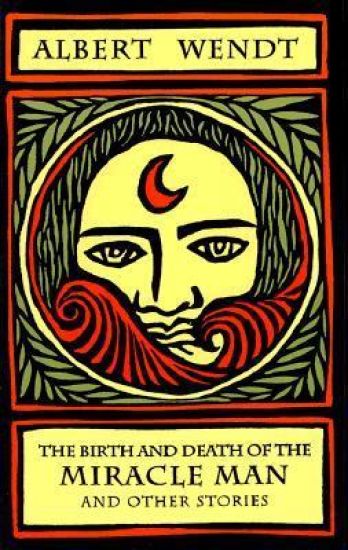
In these short stories of Samoan society, the author uses patois, and often employs a folk-like structure to convey the distinctiveness and the universality of village life.
Few novelists of the Pacific islands could be less derivative in terms of the real vision into the life and character of non-Western society.... Even fewer novels, Western or Third World, can reach the strength and artistic power of Pouliuli."" – World Literature Today
An epic spanning three generations, Leaves of the Banyan Tree tells the story of a family and community in Western Samoa, exploring on a grand scale such universal themes as greed, corruption, colonialism, exploitation, and revenge. Winner of the 1980 New Zealand Wattie Book of the Year Award, it is considered a classic work of Pacific literature.
I lana tusi ‘ua ta’ua ‘o le Pouliuli, tatou te fetaui ai ma le toea’ina e ‘autu i ai le tala a le atamai o ali’i, le susuga i le ali’i tusitala ‘o Maualaivao Albert Wendt, ‘o Faleasa Osovae, e fitusefulu ma le ono tausaga o lona matua, ma ‘o le ali’i sili i le afio’aga o Malaelua. ‘Ua maleifua ‘o ia ‘i se tasi taeao ma lona ‘ino’ino ‘ua matua matuia tele ‘i mea ma tagata ‘uma e pito i sili ona pele ‘ia te ia, ‘aemaise le fa’ate’ia ‘o ia lava ina ‘ua ia iloa lona sao i lenei fa’afitauli.E puna le vai o le tofa loloto ma le mamana o le utaga i le Pouliuli, ‘ona ‘o su’esu’ga a le ali’i tusitala e fa’amatala ai le mafua’aga o le fa’aleaogaina o le mafaufau o le sa’o matua o se nu’u. ‘O le Pouliuli ‘o se tusi e fa’aali ai mafaufauga loloto o le tusitala i pulega fa’akolone i se sosaiete i fetaula’iga ala o tu ma aga fa’aonapo nei, ‘olo’o tumau pea le malosi ma le tumau i aso nei e pei ‘o lona ulua’i lomiga i le fasefulu tausaga ‘ua mavae i le gagana Peretania.‘O le ulua’i fa’aliliuga lenei o le Pouliuli i le Gagana Samoa e le tama’ita’i tusitala ‘o Sia Figiel (ma lana vaega fa’aliliupu aloa’ia o le Gagana Samoa: ‘o Manumaua Dr. Luafata Simanu-Klutz, Alvina Lutu Perelini, LV Letalu ma Dr. Niusila Faamanatu-Eteuati). ‘Ole‘a ‘avea lea ma se taimi muamua e momoli ai manatu ma mafaufauga o Maualaivao i la tatou gagana, ‘ina ‘ia fa’aopoopo i le tuputupu a’e o tusitusiga ‘olo’o ‘ua ‘uma ona fa’aliliu mai i isi gagana, i le Gagana Samoa.Pouliuli, Maualaivao Albert Wendt’s novel that explores the intricacies of the human condition and the complexity of Samoan society, is translated by Sia Figiel into the Samoan language for the first time.
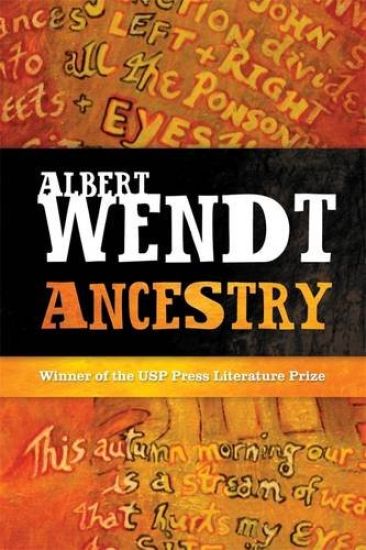

A dynamic group has emerged in Auckland whose members refer to themselves as the Tribe. Mainly Polynesian, they grow up together, rise from poverty and become successful professionals, bound by love and fierce loyalty. At the centre, is Aaron, who lives at the edge of danger, shady dealings and self-destruction. When Daniel, receives a call in Hawaii telling him that Aaron has been killed, he returns to New Zealand, and steps into the most dangerous crisis the Tribe has faced. They must confront the truth about who Aaron is and what they, as the Tribe, have become, while facing the infidelity and greed that threatens to tear the group apart.
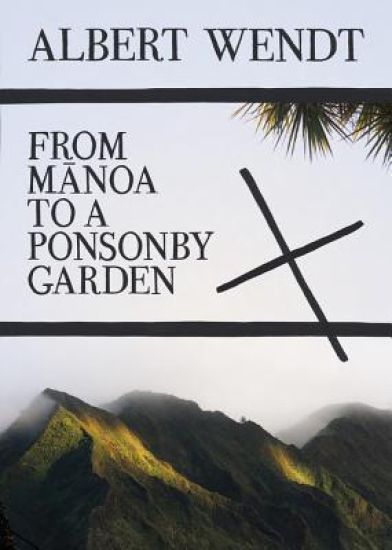
Ultimately a book about ageing and the consideration of death, this collection moves from the warm valley winds of Hawai‘i to the seasons of a garden in Auckland. In Hawai‘i Wendt watches the changing shadows of the Ko‘olau mountains from his verandah; considers the nature of mauli , the seat of life; walks protected in his partner’s perfumed slipstream to work; and writes to fellow poet Hone Tuwhare from the excesses of Las Vegas. In the second half of the book we move to the garden in Ponsonby in 40 vivid ‘garden’ poems that are the triumph of the collection. Here joints need replacing, poets grow older, tsunami destroy and friends slip away, but a spirit of renewal and humour pervades – along with prowling cats, baking muffins, flashing kingfishers and visiting mokopuna. And scattered among the garden poems will be some of Wendt’s inky, drawn poems – the best are about the Samoan tsunami or galu afi . From Manoa to a Ponsonby Garden is an extraordinary, alert and confident book by one of our most celebrated writers.