Kirjojen hintavertailu. Mukana 11 699 587 kirjaa ja 12 kauppaa.

Kirjahaku

Etsi kirjoja tekijän nimen, kirjan nimen tai ISBN:n perusteella.

6 kirjaa tekijältä Alberto Voltolini

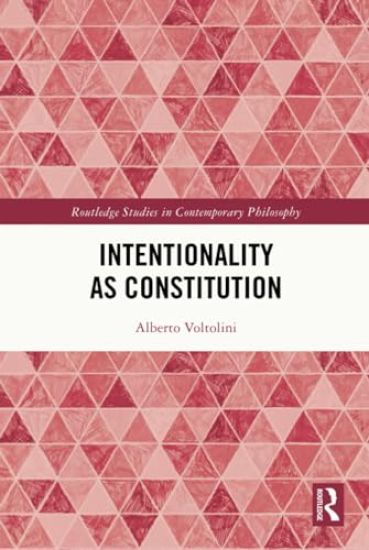
Intentionality as Constitution

Intentionality as Constitution

Alberto Voltolini

TAYLOR FRANCIS LTD
2024
sidottu
This book develops a novel theory of intentionality. It argues that intentionality is an internal essential relation of constitution between an intentional state and an object, or between such a state and a possible state of affairs as subsisting.The author’s main claim is that intentionality is a fundamentally modal property, hence a non (scientifically) natural property in that it does not supervene, either locally or globally, on its nonmodal physical basis. This is the property, primarily for an intentional mental state, to be constituted by the entities it is about. In the case of intentionality of reference, such constituents are objects, in the sense of individuals; in the case of intentionality of content, such constituents are possible states of affairs as subsisting. Constitution is meant in a mereologically literal sense: those constituents are essential parts of the relevant states. As a result, the theory claims not only that intentionality is relational but also that it is an internal, essential relation holding between an intentional state and its object or proposition-like content.Intentionality as Constitution will be of interest to scholars and advanced students working in philosophy of mind, philosophy of language, metaphysics, and cognitive science.
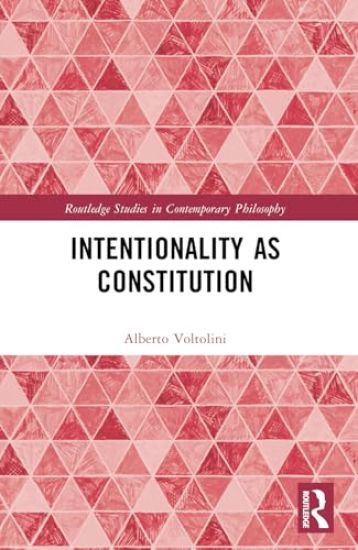
Intentionality as Constitution

Intentionality as Constitution

Alberto Voltolini

TAYLOR FRANCIS LTD
2025
nidottu
This book develops a novel theory of intentionality. It argues that intentionality is an internal essential relation of constitution between an intentional state and an object, or between such a state and a possible state of affairs as subsisting. The author’s main claim is that intentionality is a fundamentally modal property, hence a non (scientifically) natural property in that it does not supervene, either locally or globally, on its nonmodal physical basis. This is the property, primarily for an intentional mental state, to be constituted by the entities it is about. In the case of intentionality of reference, such constituents are objects, in the sense of individuals; in the case of intentionality of content, such constituents are possible states of affairs as subsisting. Constitution is meant in a mereologically literal sense: those constituents are essential parts of the relevant states. As a result, the theory claims not only that intentionality is relational but also that it is an internal, essential relation holding between an intentional state and its object or proposition-like content. Intentionality as Constitution will be of interest to scholars and advanced students working in philosophy of mind, philosophy of language, metaphysics, and cognitive science.

How Ficta Follow Fiction

How Ficta Follow Fiction

Alberto Voltolini

Springer-Verlag New York Inc.
2006
sidottu
This book is devoted to fictional entities or, to be more precise, fictional entities as they emerge from the literary process of storytelling. They encompass the great immortal figures in human literature—Don Quixote, Faust, Sherlock Holmes and so on—as well as the protagonists of single novels such as Anna Karenina, Emma Woodhouse and Emma Bovary and even the unknown characters in the oral tradition of storytelling developed by small communities of people for their own entertainment. This is p- sumably how Achilles, Penelope and Ulysses originated. We must also include among these figures mythological characters such as Apollo, Odin and Zeus, regardless of the fact that they were originally thought to be supernatural beings rather than fictional individuals. The subject of this book is not new, which may make it seem less appe- ing to a prospective reader—just one more book on fictional entities. Yet I would argue that this apparent drawback is fundamental to the purpose of the book, which is to present a syncretistic doctrine of fictional entities. In other words, it is a theory which firmly acknowledges that the various other theories already developed on this subject have great merits. Their main flaw, however, is not that they are wrong but, rather, that they are inc- plete. Accordingly, they are not to be put to one side; instead, they need to be integrated into a single theory that aims both to maintain their positive results and to overcome their defects.
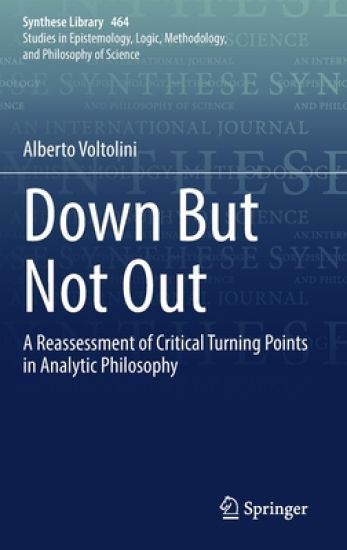
Down But Not Out

Down But Not Out

Alberto Voltolini

Springer International Publishing AG
2022
sidottu
This book provides a detailed reassessment of the role and impact of analytic philosophy in the overall philosophical debate. It does so by focusing on several important turning points that have been particularly significant for analytic philosophy’s overall history, such as Bertrand Russell's critique of Meinong, and the vindication of Heidegger's famous 'Nothing'- sentence. In particular, the book scrutinizes whether the theses written about such points have been convincingly argued for, or whether they have gained attraction as a type of rhetorical device. Due to its broad nature, this book is of interest to scholars interested in all aspects of philosophy, at both graduate level and above.
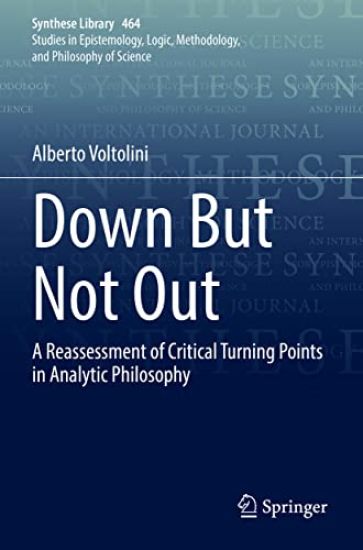
Down But Not Out

Down But Not Out

Alberto Voltolini

Springer International Publishing AG
2023
nidottu
This book provides a detailed reassessment of the role and impact of analytic philosophy in the overall philosophical debate. It does so by focusing on several important turning points that have been particularly significant for analytic philosophy’s overall history, such as Bertrand Russell's critique of Meinong, and the vindication of Heidegger's famous 'Nothing'- sentence. In particular, the book scrutinizes whether the theses written about such points have been convincingly argued for, or whether they have gained attraction as a type of rhetorical device. Due to its broad nature, this book is of interest to scholars interested in all aspects of philosophy, at both graduate level and above.
How Ficta Follow Fiction

How Ficta Follow Fiction

Alberto Voltolini

Springer
2010
nidottu
This book is devoted to fictional entities or, to be more precise, fictional entities as they emerge from the literary process of storytelling. They encompass the great immortal figures in human literature—Don Quixote, Faust, Sherlock Holmes and so on—as well as the protagonists of single novels such as Anna Karenina, Emma Woodhouse and Emma Bovary and even the unknown characters in the oral tradition of storytelling developed by small communities of people for their own entertainment. This is p- sumably how Achilles, Penelope and Ulysses originated. We must also include among these figures mythological characters such as Apollo, Odin and Zeus, regardless of the fact that they were originally thought to be supernatural beings rather than fictional individuals. The subject of this book is not new, which may make it seem less appe- ing to a prospective reader—just one more book on fictional entities. Yet I would argue that this apparent drawback is fundamental to the purpose of the book, which is to present a syncretistic doctrine of fictional entities. In other words, it is a theory which firmly acknowledges that the various other theories already developed on this subject have great merits. Their main flaw, however, is not that they are wrong but, rather, that they are inc- plete. Accordingly, they are not to be put to one side; instead, they need to be integrated into a single theory that aims both to maintain their positive results and to overcome their defects.