
Kirjahaku
Etsi kirjoja tekijän nimen, kirjan nimen tai ISBN:n perusteella.
27 kirjaa tekijältä Alec Brew
This book is part of the Images of England series, which uses old photographs and archived images to show the history of various local areas in England, through their streets, shops, pubs, and people.
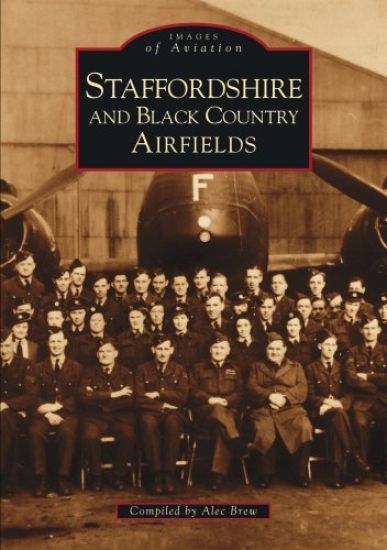
Staffordshire and Black Country Airfields: Images of England
Alec Brew
The History Press Ltd
1997
nidottu
Staffordshire boasted one of the first dedicated aerodromes in Great Britain when, in 1910, Dunstall Park, Wolverhampton, hosted the first ever All British Flying Meeting. Since then, flying has always featured in the county. In the First World War Dunstall Park was joined by other aerodromes at Perton and Halford Lane, Smethwick, and even during the demise of flying in the 1920s, itinerant joy flight operators and flying circuses still operated. During the 1930s municipal airports were established at Walsall, Stoke and Wolverhampton, where the new Boulton Paul Aircraft Factory was built. The Second World War saw an explosion of airfield construction across Staffordshire as important training bases were built. After 1945 only RAF Lichfield remained in use, although RAF Hixon was used as a sub-site for the RAF Depot at Stafford. Then, in 1956, Boulton Paul reopened disused airfields in the area when they made RAF Seighford their Test Flight Centre. Since then, although the three municiple airports have closed, private flying is becoming ever more popular and airfields such as Tatenhill, Penkridge and Halfpenny Green are thriving once more. This fascinating collection of over 200 photographs vividly chronicles the highs and lows of flying in Staffordshire and the Black Country. From pictures of an early aviation meeting at Burton on Trent to the frenetic activity of the Second World War and the microlights of today.
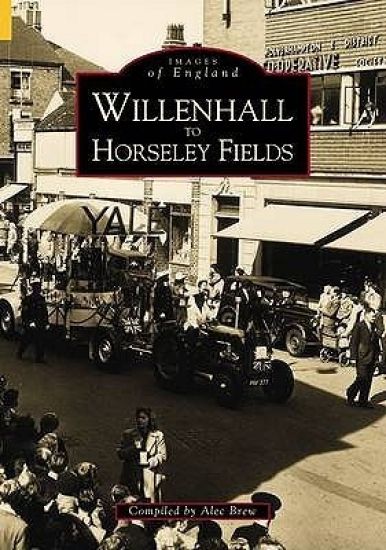
This collection of over 200 old photographs illustrates scenes from the communities of Willenhall and Horseley Fields. These pictures show how relatively unchanged the streets and buildings of Willenhall are. A walk around the town today shows that it is still possible to see many of the features which appear in the oldest photographs in this book. By contrast, the old area of Horseley Fields has all but disappeared. The history of Willenhall or ‘Humpshire’ as it is affectionately known, as a world-renowned centre for lockmaking is illustrated and we see people at work, leisure and sport. The book also looks back to the more industrial days of Horseley Fields. Through the medium of photography the book captures the essence of life as it used to be in Willenhall and Horseley Fields and will appeal to both young and old. This is the third book written by the author, in a series which, by the millennium, will cover all the environs of Wolverhampton. Codsall and Claregate and Tettenhall and Pattingham are already available and four more are in preparation.

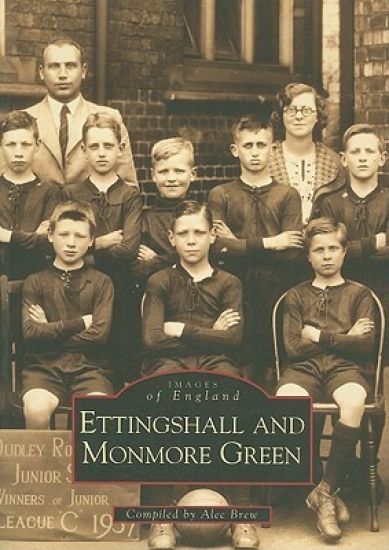
A history of Ettingshall & Monmore Green
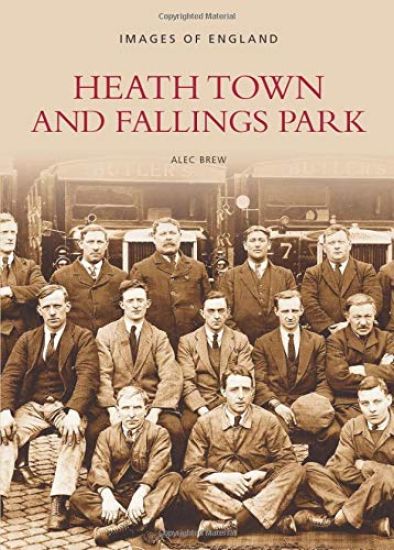
This fascinating book containing more than 200 photographs provides a social history of the Heath Town, Springfield and Fallings Park area of Wolverhampton, showing inhabitants at work and play in their schools, churches, workplaces and backstreets. Originally called Wednesfield Heath, Heath Town is situated around the crossroads where the route from Wolverhampton to Wednesfield and the ancient road from Worcester to Stafford meet. Although it started as a small community, Heath Town's population was boosted by the coal mining that gradually encompassed the region to the south. After the old main shopping street along Wednesfield Road was demolished in the 1060s, the area became residential, renowned more for its swimming pool and multi-screen cinema than industry. The suburb of Fallings Park mainly lay on the Old Fallings estate that belonged to the Gough family and then the Pagets. As the twentieth century progressed, the expanding Wolverhampton on one side and Wednesfield on the other slowly engulfed Fallings Park. Famous companies such as Guy Motors and Ever Ready set up business until the latter part of the twentieth century when they were replaced by smaller firms. This captivating collection of images will provoke memories of the area around Heath Town and Fallings Park and inspire a new generation to be interested in their past.
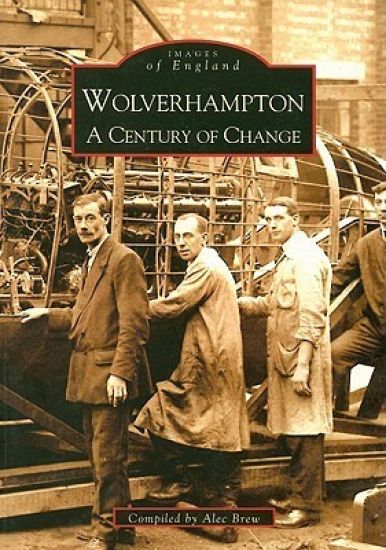
This series of photos in the Images of England Series, this time by local author Alec Brew, depicts Wolverhampton, a central Midlands town. This collection covers the town centre as well as some of the surrounding areas, and records the changes that have taken place over the last one hundred years. Wolverhampton was a town of both heavy industry and vehicle manufacture. Coal, iron, and steel works were an integral part of the town's history, and there was also a growth of suburban estates as the town expanded. As well as featuring some of the important people of the town, the aspects of ordinary every day life are covered, from schools, work, and the fate of the local football team, the Wolves. All in all this volume is a must for everyone who knows Wolverhampton. For those who have lived there for many years it provides a nostalgic stroll down memory lane, while for newer residents it serves as an excellent means of discovering more about the community's history.
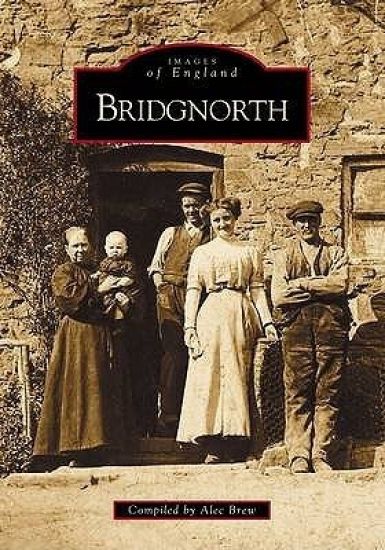
A history of Bridgnorth.
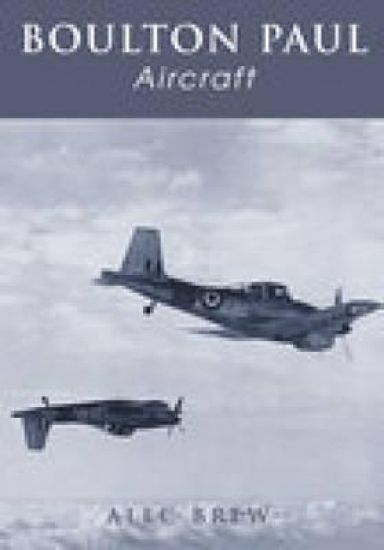
Boulton Paul aircraft
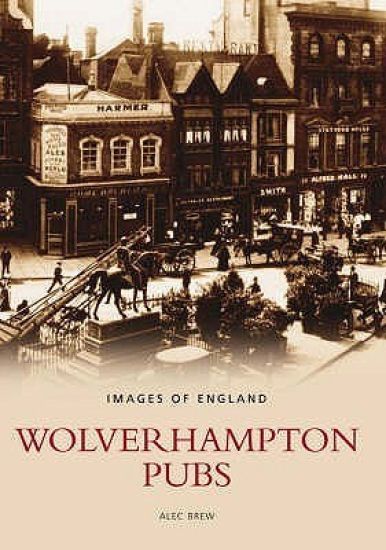
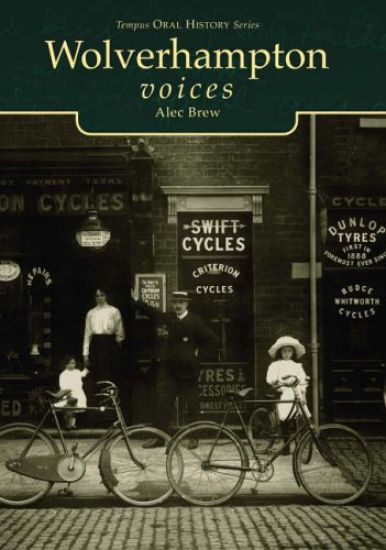
An oral history of Wolverhampton.

RAF Cosford was built as part of the pre-war RAF Expansion Plan in 1937 and in 1938 it was designated as a site for one of the new Technical Training Schools, aimed at strengthening the knowledge and manpower of the air force. By the outbreak of war, Cosford housed over 3,500 trainees. In 1939 it became the base for No 9 Maintenance Units, who were responsible for maintaining, repairing and modifying aircraft for battle. During the war Cosford grew and became the site of a major new RAF hospital, as well as the base for the first all-female Air Transport Auxiliary Unit. Towards the end of the war re-patriation centres were built for ex-prisoners on the base and over 13,000 POWs passed through Cosford, before returning to their homes. RAF Cosford (now DCAE Cosford) continues to train numerous new recruits and houses a major RAF Museum. This book highlights Cosford's central role in the air force during the war years and the many images evoke the men and women, who lived and worked there. A fascinating insight for those visitors to Cosford and aviation enthusiasts.
Wolverhampton was a Staffordshire market town in the Middle Ages but became a major industrial town during the Industrial Revolution, renowned for coal mining, metalworking and steel making. The prosperity brought to the town from this era is in evidence in many buildings in the city, and the growing population required a large programme of public housing in the early twentieth century. The development of Wolverhampton continued post-war, with much of the centre being rebuilt in the 1960s and 1970s. Granted city status in 2000, Wolverhampton continues to be redeveloped but despite the many changes, it has retained its strong identity in the West Midlands. Wolverhampton Reflections features an exciting collection of historic and modern pictures that are individually merged to reveal how the area has changed over the decades. Each of the 180 pictures in this book combines a recent colour view of Wolverhampton with the matching sepia archive scene. Through the split-image effect, readers can see how streets, buildings and everyday life have transformed with the passing of time. Local author Alec Brew presents this fascinating visual chronicle that ingeniously reflects past and present glimpses of Wolverhampton. This book will be of interest to residents, visitors, local historians and all those with links to the area.

Wolverhampton was granted city status in 2000, but its origins lie in Anglo-Saxon England. During the Middle Ages Wolverhampton was a prosperous Staffordshire market town and a centre for the wool trade. Its coal and iron deposits enabled it to grow rapidly during the Industrial Revolution, when it became one of the most heavily industrialised areas of the country, specialising in coal mining, iron and steel production, engineering and manufacturing. The wealth brought into the town is seen today by the many civic buildings in Wolverhampton from that era, and large areas of social housing were built in the twentieth century to accommodate the population. Much has changed in Wolverhampton following the large-scale urban planning schemes of the 1960s and 1970s and later regeneration schemes for the city centre, reflecting a change in working practices from industry and manufacturing to more service-based employment, but Wolverhampton has still retained its distinctive identity. Lost Wolverhampton presents a portrait of this corner of the West Midlands over the last century to recent decades that has radically changed or disappeared today, showing not only the industries and buildings that have gone but also the people and street scenes, many popular places of entertainment and much more. This fascinating photographic history of lost Wolverhampton will appeal to all those who live in the area or know it well, as well as those who remember it from previous decades.
Fighting over the beaches of Dunkirk and in the Battle of Britain, guarding the night skies during the perilous months of the Blitz, pioneering electronic countermeasures, and serving air-sea rescue roles all around our coasts, the Boulton Paul Defiant played a vital part through most of the Second World War, finishing it in the important target-tug role. The Defiant is rightly considered Wolverhampton’s highest profile contribution to the war, and the most important product of Boulton Paul Aircraft. This book celebrates the contribution of the Defiant to the war in over 200 illustrations, most from Boulton Paul’s own archives, and many never published before. It exposes some of the false myths attached to an aircraft held in great affection by many of its crews.
The West Midlands city of Wolverhampton has a fascinating history. Originally a medieval market town, it grew rapidly during the Industrial Revolution through the new coal-mining and manufacturing industries because of its mineral resources, particularly iron, coal and limestone. With the decline of these industries in the late twentieth century, Wolverhampton has had to change yet again, but in spite of the many changes that have occurred here the city has retained its identity. This fascinating selection of old and new images of Wolverhampton will be essential reading for all those who know this part of the West Midlands.
Looking at the fascinating history behind the airfields of Shropshire, which was particularly popular during the Second World War.
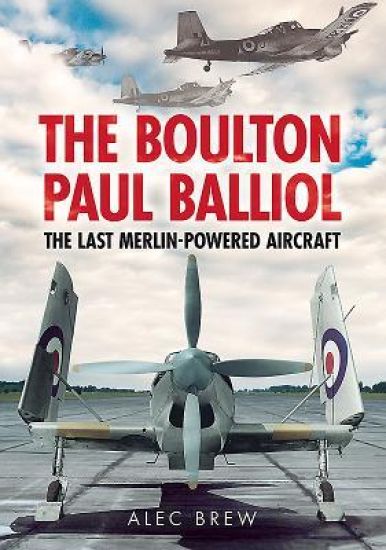
The Boulton Paul Balliol was the last British aircraft powered by the iconic Rolls-Royce Merlin engine, and the last piston-powered advanced trainer in both the Royal Air Force and the Fleet Air Arm. Yet it began life as the world's first turbo-trainer, conceived in the last days of the Second World War, and became the first aircraft with a single prop-jet, beating the rival Avro Athena into the air by two weeks. However, policy changed and it was with the trusty Merlin that the Balliol ultimately went into production. Boulton Paul Aircraft hoped for huge orders-opening a second production line at Blackburn Aircraft in anticipation-but the RAF decided to switch to all-jet training; even though a dozen were sold to the Royal Ceylon Air Force, total Balliol production only ever amounted to just over 200 examples. Consigned to another footnote in aviation history, this was the last aircraft Boulton Paul-already world-leaders in the manufacture of power controls- would ever build. The Boulton Paul Balliol: The Last Merlin-Powered Aircraft is a detailed account of the journey of this aeroplane and its creators, and the shifting sands within the highly competitive post-war aeronautics industry. This is a beautifully illustrated insight into how a small, pioneering British manufacturer dealt with the fluctuating demands of its era, enhanced by the author's own story as a Boulton Paul enthusiast and restorer.