Kirjojen hintavertailu. Mukana 11 699 587 kirjaa ja 12 kauppaa.

Kirjahaku

Etsi kirjoja tekijän nimen, kirjan nimen tai ISBN:n perusteella.

3 kirjaa tekijältä Alejandro Anreus

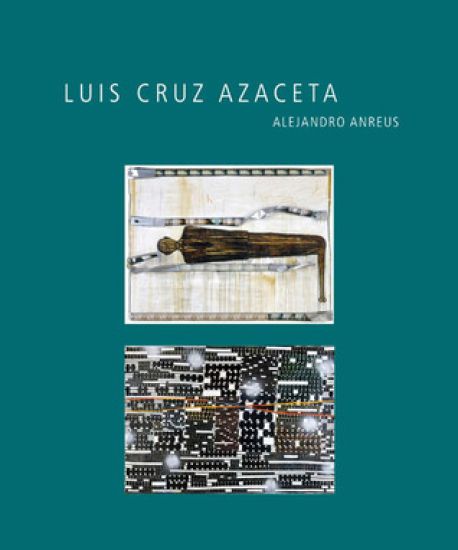
Luis Cruz Azaceta

Luis Cruz Azaceta

Alejandro Anreus

UCLA Chicano Studies Research Center Press
2014
nidottu
Cuban American artist Luis Cruz Azaceta addresses what author Alejandro Anreus calls the “wounds and screams” of the human condition. Although Cruz Azaceta’s work is extensively exhibited and widely collected, this is the first book on the artist’s life and creations.Anreus traces Cruz Azaceta’s career and explores the themes that are the focus of his singular art. Anreus discusses how the Cuban diaspora, above all, has shaped the artist and how the experience of exile has found expression through starkly forceful self-portraiture in many of his works. Anreus also examines the artist’s ongoing concern with current events. Cruz Azaceta has responded to national crises, such as the AIDS epidemic, the Oklahoma City bombing, and the devastation of New Orleans by Hurricane Katrina, with graphically powerful paintings, mixed-media pieces, and installations.Over the past four decades Cruz Azaceta has experimented with his visual vocabulary, moving from the flat, pop style of his early canvases, through neo-Expressionism, and into the abstraction of more-current work. His commentary on humanity, however, has not changed. His art continues to remind us that there are no easy solutions to the presence of violence and cruelty, exile and dislocation, and solitude and isolation.
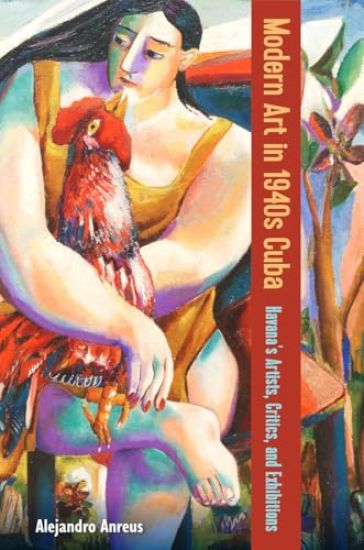
Modern Art in 1940s Cuba

Modern Art in 1940s Cuba

Alejandro Anreus

University Press of Florida
2025
sidottu
The first book to explore the work ofavant-garde artists in Cuba during the nation's years as a democracy Providing the first comprehensive historyof modern Cuban art during the 1940s, this book contextualizes the artisticpractices, values, and contributions of the first and second generations ofavant-garde artists on the island within the framework of the nation's onlydemocratic period. Between 1940 and the 1952 coup byFulgencio Batista, Cuba experienced a democratic system of government as wellas a vibrant cultural renaissance, particularly in the visual arts. Arthistorian and curator Alejandro Anreus uses interviews with key figures as wellas previously untapped archival materials from this period to explorehow Cuban artists collaborated to create distinct visual languagesthat would become part of the canon of modern art in the Americas. Inthis decade, Cuban art was showcased in major exhibitions both domestically andinternationally, including the landmark 1944 exhibition Modern CubanPainters at the Museum of Modern Art in New York. In addition to formal analysis ofspecific artworks, Anreus provides social art history to situate these artistsand their work within their political and economic context. Anreus drawsattention to an influential but overlooked decade in Cuba's political andartistic history that reflects postwar hemispheric solidarity and culturalexchange between democracies, highlighting the lasting impact of this time andplace on the global landscape of modern art.
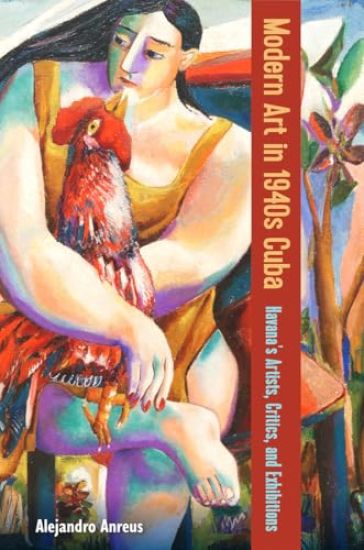
Modern Art in 1940s Cuba

Modern Art in 1940s Cuba

Alejandro Anreus

University Press of Florida
2025
pokkari
The first book to explore the work ofavant-garde artists in Cuba during the nation's years as a democracy Providing the first comprehensive historyof modern Cuban art during the 1940s, this book contextualizes the artisticpractices, values, and contributions of the first and second generations ofavant-garde artists on the island within the framework of the nation's onlydemocratic period. Between 1940 and the 1952 coup byFulgencio Batista, Cuba experienced a democratic system of government as wellas a vibrant cultural renaissance, particularly in the visual arts. Arthistorian and curator Alejandro Anreus uses interviews with key figures as wellas previously untapped archival materials from this period to explorehow Cuban artists collaborated to create distinct visual languagesthat would become part of the canon of modern art in the Americas. Inthis decade, Cuban art was showcased in major exhibitions both domestically andinternationally, including the landmark 1944 exhibition Modern CubanPainters at the Museum of Modern Art in New York. In addition to formal analysis ofspecific artworks, Anreus provides social art history to situate these artistsand their work within their political and economic context. Anreus drawsattention to an influential but overlooked decade in Cuba's political andartistic history that reflects postwar hemispheric solidarity and culturalexchange between democracies, highlighting the lasting impact of this time andplace on the global landscape of modern art.