Kirjojen hintavertailu. Mukana 11 451 871 kirjaa ja 12 kauppaa.

Kirjahaku

Etsi kirjoja tekijän nimen, kirjan nimen tai ISBN:n perusteella.

11 kirjaa tekijältä Alejandro De Quesada

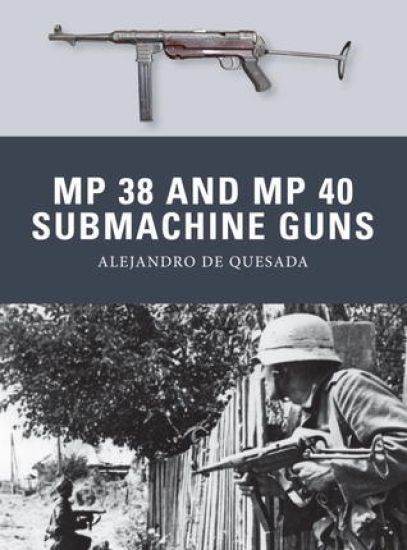
MP 38 and MP 40 Submachine Guns

MP 38 and MP 40 Submachine Guns

Alejandro De Quesada

Osprey Publishing
2014
nidottu
Nazi Germany's MP 38 and MP 40 submachine guns are among World War II's most recognizable weapons. Portable and with folding stocks, both were widely issued to airborne troops and became the hallmark of Germany's infantry section and platoon leaders. A million were produced during the conflict – and many found their ways into the hands of paramilitary and irregular forces from Israel to Vietnam after the war. Featuring specially commissioned full-color artwork and period and close-up photographs, this is the story of the origins, combat use, and lasting influence of two of World War II's most famous firearms.
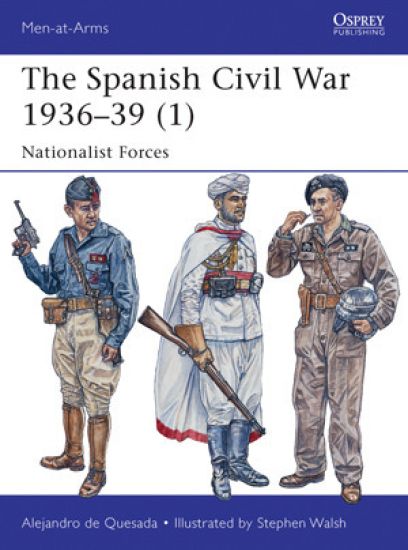
The Spanish Civil War 1936–39 (1)

The Spanish Civil War 1936–39 (1)

Alejandro De Quesada

Osprey Publishing
2014
nidottu
The Spanish Civil War, 1936–39, was the curtain-raiser to World War II, and the major international event of the 1930s.It was the first great clash of 20th-century ideologies, between the rebel Nationalist army led by General Franco (right-wing, and aided by Nazi Germany and Fascist Italy), and the Republican army of the government (left-wing, and aided by the Communist Soviet Union and many volunteers from liberal democracies). Three years of widespread campaigns involved the most modern weapons available. The war was fought ruthlessly by both sides, and when the Nationalists secured victory they installed a dictatorship that lasted until November 1975 – the last such regime in Western Europe.Featuring specially commissioned full-color artwork, this first part of a two-part study depicts the fighting men of the Nationalist forces that strove to take control of Spain alongside their German and Italian allies.
The Spanish Civil War 1936-39 (2)

The Spanish Civil War 1936-39 (2)

Alejandro De Quesada

Osprey Publishing
2015
nidottu
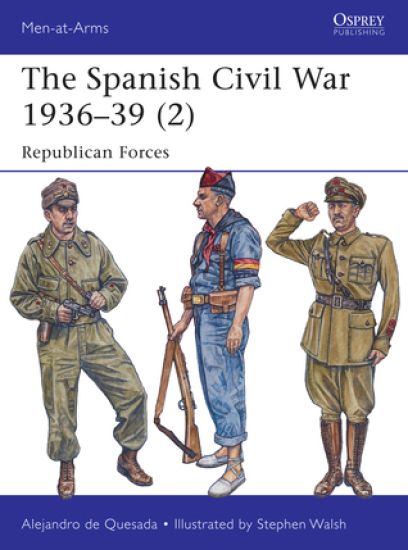
The Spanish Civil War was the curtainraiser to World War II and involved a complex collection of forces, particularly on the Republican side.This title illustrates how diverse the Republican forces were, drawn from loyal elements of the Spanish army that rejected the appeal of the rebel generals, a wide range of volunteer regional units and political militias, and supported by volunteers from many other countries, including Great Britain, France and Germany, in units known as the International Brigades. The wide range of equipment and uniforms worn by these troops is revealed, as is, the organization of militias into conventional brigades and divisions.Featuring specially commissioned full-colour artwork, this second part of a two-part study depicts the fighting men of the Republican forces and examples of their foreign comrades.
The Spanish-American War and Philippine Insurrection

The Spanish-American War and Philippine Insurrection

Alejandro De Quesada

Osprey Publishing
2007
nidottu
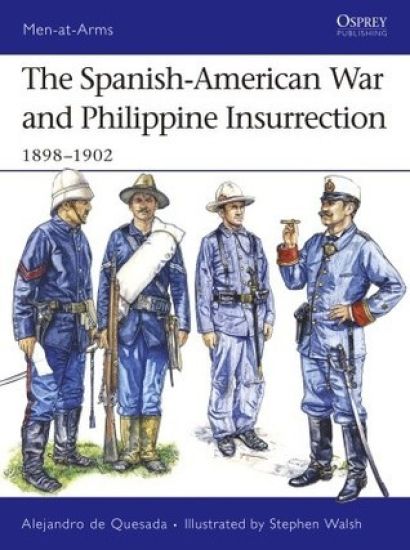
In 1898, US public opinion turned against the Spanish for their repression of Cuba. Relations between the two governments soured and ultimately resulted in the mysterious blowing up of the USS Maine in Havana harbour, which triggered a short but demanding war. Many famous US personalities were involved, including future President Theodore Roosevelt, future general John Pershing, and journalists William Randolph Hearst and Stephen Crane. The war against the Spanish may have been brief but as Henry Cabot Lodge declared: 'Its results were startling, and of world-wide meaning.' Victory made the US a nation with global interests. Providing a detailed examination of the experiences and equipment of the opposing sides, and featuring rare and previously unpublished photographs, this book highlights this crucial yet oft-forgotten war that changed the future of American foreign policy during 'the age of American imperialism.'
The US Home Front 1941–45

The US Home Front 1941–45

Alejandro De Quesada

Osprey Publishing
2008
nidottu
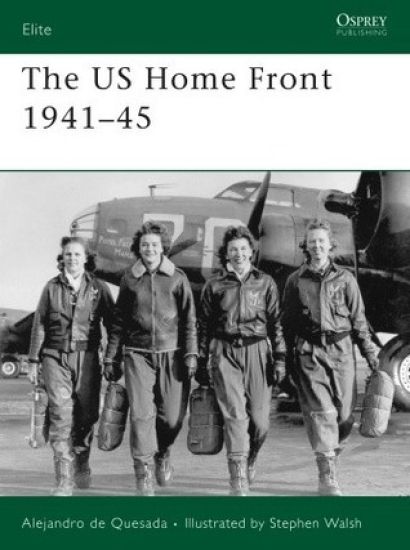
The outbreak of World War II in Europe in 1939 led to cautious attempts to raise volunteer organisations among American men and women, to back the armed forces in the event of the USA becoming directly involved in the conflict. The attack on Pearl Harbor caused a huge surge of patriotic response, and voluntary enlistment in a wide range of armed forces auxiliary and civilian support services swelled vastly. Looking firstly at the background and general character of wartime life in the States, this book covers a number of these services, providing an interesting comparison with the conditions on the British Home Front and the experiences of other countries caught up in the war, examining organisations from the Red Cross to the Coast Guard and for the first time, containing full-colour reconstructions of over a dozen uniformed services.
The Bay of Pigs

The Bay of Pigs

Alejandro De Quesada

Osprey Publishing
2009
nidottu
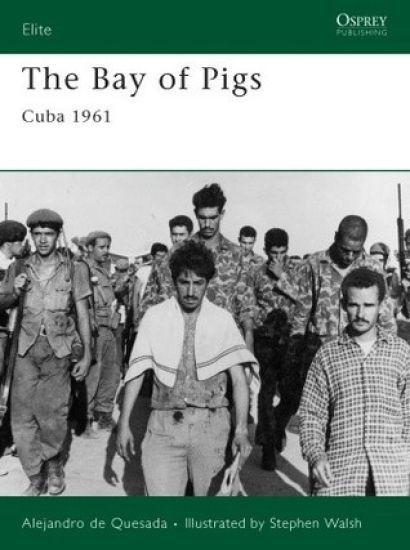
From the shadowy world of the CIA to the desperate actions of exiles seeking to return home, this dramatic story reveals how Cold War politics were played out on the battlefield. The landings by the Cuban exile Assault Brigade 2506 at the Bay of Pigs on April 17, 1961 led to three days of savage but unequal combat. Before they even sailed for Cuba, a White House decision had condemned them to constant attacks by Castro's air force, which sank two of their ships loaded with vital supplies and equipment. Despite stubborn resistance to Castro's troops and tanks, and heroic sorties by Cuban and American B-26 pilots, the Brigade was strangled for lack of firepower and ammunition.Their story is illustrated with rare photos from Brigade veterans, and detailed color plates of the uniforms and insignia of both sides.
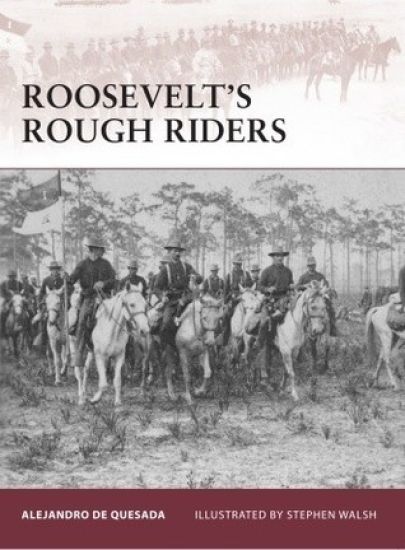
Roosevelt’s Rough Riders

Roosevelt’s Rough Riders

Alejandro De Quesada

Osprey Publishing
2009
nidottu
This book examines the brief but colorful history of the 1st US Volunteer Cavalry, and details the rich experiences of the men who fought in its ranks. Founded in May 1898 after the outbreak of the Spanish-American War, the unit was composed of volunteers from all walks of American life. Posted to Cuba, it fought in the battles of Las Guasimas, Kettle Hill and San Juan Hill. At this time, Theodore Roosevelt assumed command, and the unit became known as 'Roosevelt's Rough Riders'. Eventually withdrawn, the men returned to a hero's welcome in the US. The last veteran of the unit died in 1975, but a rich body of source material has survived, and much of this is covered in this fascinating work.
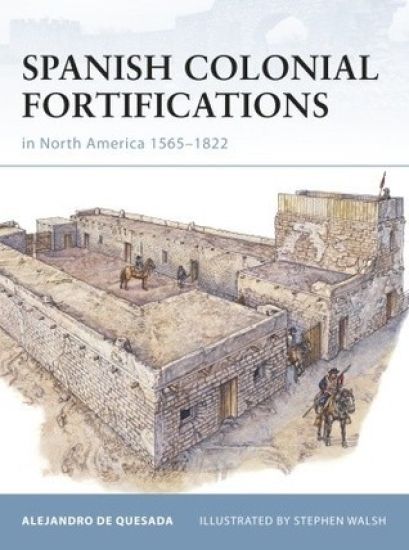
Spanish Colonial Fortifications in North America 1565–1822
To maintain its imperial power in America, Spain built fortifications across the width of the continent. These outposts were established along Spanish borders from the late sixteenth century onwards to defend its interests against rival European powers and to suppress uprisings of the Native Americans and local population. By the eighteenth century, Spain's defenses spread from the northern area of the Gulf of Mexico through to California. Some of these imperial fortifications, such as the Alamo, played key roles in conflicts including the American Revolution and the Texan War of Independence. This book provides a cogent analysis of Spain's defensive network at the height of the country's imperial strength on the American continent.
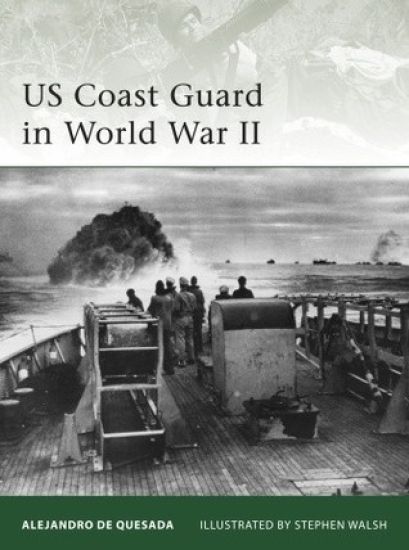
US Coast Guard in World War II

US Coast Guard in World War II

Alejandro De Quesada

Osprey Publishing
2010
nidottu
Alex de Quesada reveals the full history of the US Coast Guard throughout World War II in this Elite title. In particular, the book draws attention to the little-known story of how the US Coast Guard ran a number of the landing craft throughout D-Day in 1944 as well as providing crucial anti-U-boat patrols throughout the war years. A number of Coast Guard servicemen were lost in these two campaigns, and their undeniable contribution to the US war effort deserves greater recognition. The Coast Guard also provided aviators and gunners to the Merchant Marine and manned Port Security Services. These roles are all fully explained and illustrated with rare photographs and specially commissioned artwork.
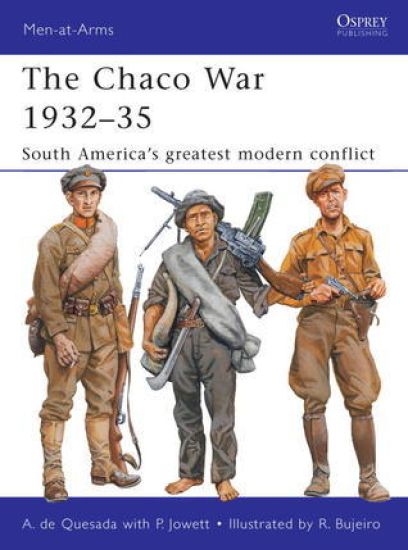
The Chaco War 1932–35

The Chaco War 1932–35

Alejandro De Quesada

Osprey Publishing
2011
nidottu
The Chaco War was massive territorial war between Bolivia and Paraguay, which cost almost a 100,000 lives.An old fashioned territorial dispute, the contested area was the Gran Chaco Boreal, a 100,000-square mile region of swamp, jungle and pampas with isolated fortified towns. The wilderness terrain made operations difficult and costly as the war see-sawed between the two sides.Bolivian troops, under the command of a German general, Hans von Kundt, had early successes, but these stalled in the face of a massive mobilization programme by the Paraguans which saw their force increase in size ten-fold to 60,000 men.This book sheds light on a vicious territorial war that waged in the jungles and swamps of the Gran Chaco and is illustrated with rare photographs and especially commissioned artwork.
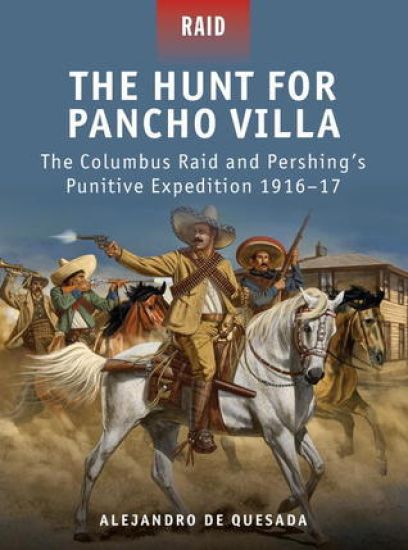
The Hunt for Pancho Villa

The Hunt for Pancho Villa

Alejandro De Quesada

Osprey Publishing
2012
nidottu
On March 9, 1916, troops under the command of Pancho Villa attacked Columbus, New Mexico and its local detachment of the US 13th Cavalry Regiment, killing 18 people and burning the town. Six days later, on orders from President Woodrow Wilson, General John J. “Black Jack” Pershing led an expeditionary force of 4,800 men into Mexico to capture Villa. What followed was a series of skirmishes, battles, and chases through the wild and uncharted Mexican countryside. While the Americans failed in their ultimate purpose of catching Villa, they did kill two of his top lieutenants. This book charts the progress of the entire enterprise, covering the dusty marches and the bitter gunfights in the streets of small border towns, analyzing the successes and failures of this unique military expedition.