Kirjojen hintavertailu. Mukana 11 510 951 kirjaa ja 12 kauppaa.

Kirjahaku

Etsi kirjoja tekijän nimen, kirjan nimen tai ISBN:n perusteella.

6 kirjaa tekijältä Alessandro G. Benati

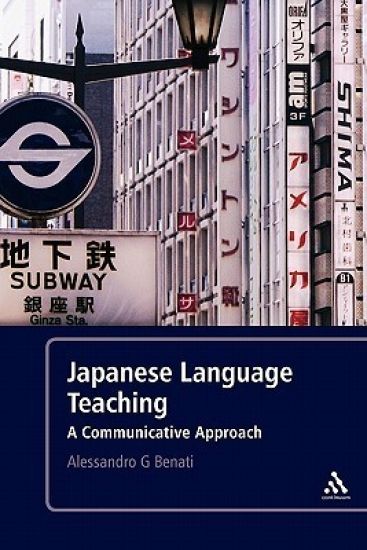
Japanese Language Teaching

Japanese Language Teaching

Alessandro G. Benati

BLOOMSBURY PUBLISHING PLC
2009
sidottu
Japanese Language Teaching examines the practical aspects of the acquisition of Japanese as a second language, underpinned by current theory and research. Each chapter examines the theory and practice of language teaching, and progresses to a consideration of the practical design of tasks for teaching. The final section applies theory and practice to an empirical case study, drawn from a classroom with Japanese as a second language. With its emphasis on practice underpinned by contemporary theory, this book will be of interest to postgraduates studying second language acquisition and applied linguistics.
Japanese Language Teaching

Japanese Language Teaching

Alessandro G. Benati

Continuum International Publishing Group Ltd.
2009
nidottu
Japanese Language Teaching examines the practical aspects of the acquisition of Japanese as a second language, underpinned by current theory and research. Each chapter examines the theory and practice of language teaching, and progresses to a consideration of the practical design of tasks for teaching. The final section applies theory and practice to an empirical case study, drawn from a classroom with Japanese as a second language. With its emphasis on practice underpinned by contemporary theory, this book will be of interest to postgraduates studying second language acquisition and applied linguistics.
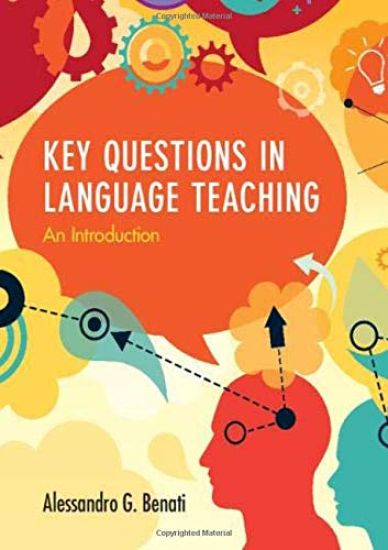
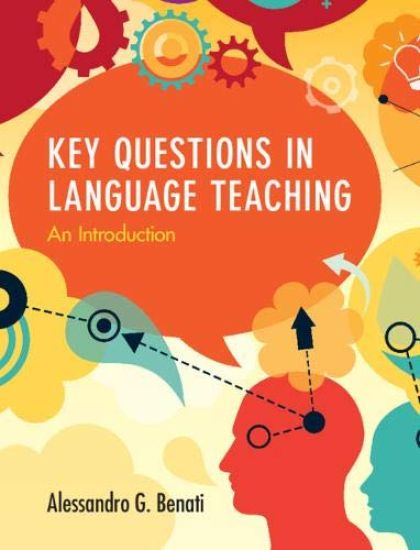
Key Questions in Language Teaching

Key Questions in Language Teaching

Alessandro G. Benati

Cambridge University Press
2020
sidottu
Innovative and evidence-based, this introduction to the main concepts and issues in language teaching uses a 'key questions' structure, enabling the reader to understand how these questions have been addressed by researchers previously, and how the findings inform language teaching practices. Grounded in research, theory and empirical evidence, the textbook provides students, practitioners and teachers with a complete introductory course in language teaching. Written in a clear and user-friendly style, and avoiding use of jargon, the book draws upon real-life teaching experiences and scenarios to provide practical advice. A glossary of key terms, questions for discussion and further reading suggestions are included. The book is perfectly suited to language teaching modules on English Language, TESOL and Applied Linguistics courses.
Key Questions in Language Teaching

Key Questions in Language Teaching

Alessandro G. Benati

Cambridge University Press
2020
pokkari
Innovative and evidence-based, this introduction to the main concepts and issues in language teaching uses a 'key questions' structure, enabling the reader to understand how these questions have been addressed by researchers previously, and how the findings inform language teaching practices. Grounded in research, theory and empirical evidence, the textbook provides students, practitioners and teachers with a complete introductory course in language teaching. Written in a clear and user-friendly style, and avoiding use of jargon, the book draws upon real-life teaching experiences and scenarios to provide practical advice. A glossary of key terms, questions for discussion and further reading suggestions are included. The book is perfectly suited to language teaching modules on English Language, TESOL and Applied Linguistics courses.
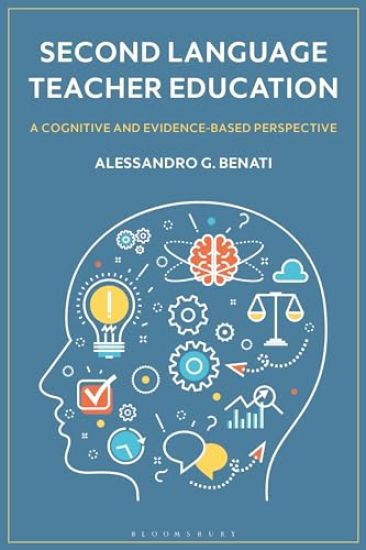
Second Language Teacher Education

Second Language Teacher Education

Alessandro G. Benati

BLOOMSBURY PUBLISHING PLC
2024
nidottu
How do students acquire a second language? How can teachers most effectively teach a second language? How do students and teachers develop communication in the language classroom? This textbook is written specifically for a language teacher education programme. It provides teachers with the opportunity to move away from a belief-based teaching approach to a fact-based teaching approach in order to connect knowledge and evidence with innovation. Alessandro G. Benati structures this book around ten key questions that have driven the field of second language learning and language teaching. This provides readers with a clear understanding of: · the relationship between theory and research in second language acquisition and language teaching· the nature and role of language and communication· the results and implications of classroom-based research Pedagogical features in each of the ten units include: call-out boxes highlighting main ideas, further clarification sections to explain key terms, tasks and quizzes at the end of each unit to consolidate learning, and a teacher education evaluation form at the end for readers to reflect on the programme.
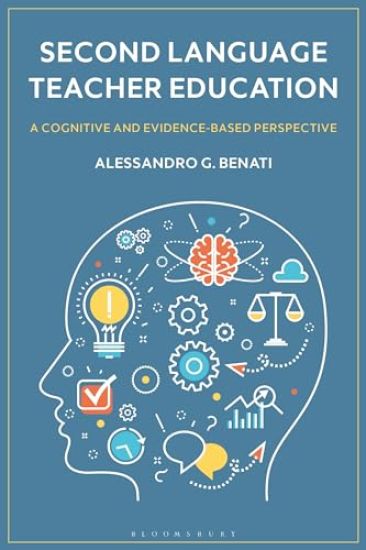
Second Language Teacher Education

Second Language Teacher Education

Alessandro G. Benati

BLOOMSBURY PUBLISHING PLC
2024
sidottu
How do students acquire a second language? How can teachers most effectively teach a second language? How do students and teachers develop communication in the language classroom? This textbook is written specifically for a language teacher education programme. It provides teachers with the opportunity to move away from a belief-based teaching approach to a fact-based teaching approach in order to connect knowledge and evidence with innovation. Alessandro G. Benati structures this book around ten key questions that have driven the field of second language learning and language teaching. This provides readers with a clear understanding of: · the relationship between theory and research in second language acquisition and language teaching· the nature and role of language and communication· the results and implications of classroom-based research Pedagogical features in each of the ten units include: call-out boxes highlighting main ideas, further clarification sections to explain key terms, tasks and quizzes at the end of each unit to consolidate learning, and a teacher education evaluation form at the end for readers to reflect on the programme.