This unique text discusses the mathematical principles behind Megalithic stone circles, and how these were used for observing lunar cycles in prehistoric times. The author, A. Thom, shows that stone circles were precisely planned and laid out in accordance with certain geometric figures in the classic Pythagorean tradition. Containing some mathematical and astronomical details, along with notes on site survey and location, this book is ideal for amateur enthusiasts and academicians of archaeology, astronomy, and mathematics.
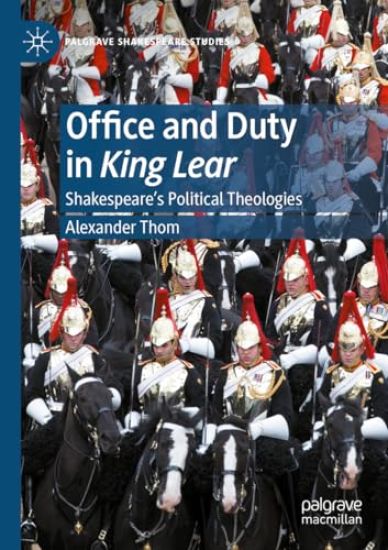
This book advances five original readings of Shakespeare's King Lear, influenced by Giorgio Agamben, but tempered by primary research into Jacobean literature, law, religion, and philosophy. To grasp Lear’s encounter between politics and identity, the play demands a wider understanding of the religious influence on political thought. As Lear himself realises, sovereignty is an extreme, glamorous example of a deeper category: sacred office. Lear also shows duty intersecting with a hierarchy of bastards, outlaws, women, waifs, and monks. This book introduces concepts like petit treason, civil death, and waivery into political theological studies, complicating Agamben’s models. Goneril’s treason shows the sovereign’s consort and children are consecrated lives too. Lear’s crisis of "self-knowing" stages a landmark critique of office. The promise of his poignant speech before the prison is foreclosed by Shakespeare's invention: an officer dutifully murdering Cordelia. This book’s conclusion, through Hannah Arendt, reconsiders Lear’s persistent association with the Holocaust.
This book advances five original readings of Shakespeare's King Lear, influenced by Giorgio Agamben, but tempered by primary research into Jacobean literature, law, religion, and philosophy.