Kirjojen hintavertailu. Mukana 11 717 486 kirjaa ja 12 kauppaa.

Kirjahaku

Etsi kirjoja tekijän nimen, kirjan nimen tai ISBN:n perusteella.

6 kirjaa tekijältä Alexander V. Dimitrov

Natural Gas Installations and Networks in Buildings
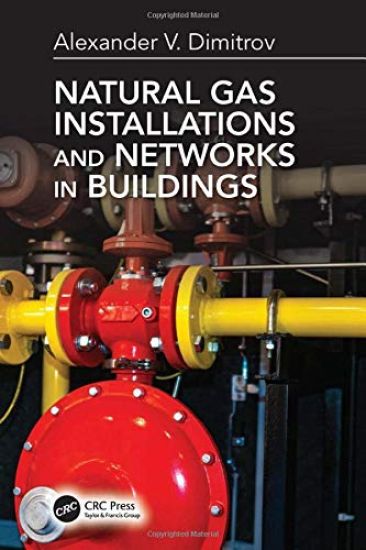
This book covers theoretical foundations of the Natural Gas (NG) installations and networks as a part of building logistic system, illustrated with digital examples. It describes the NG oxidation phenomena and appropriate energy converting devices used in the building’s energy centres and basic sizing principals of the related pipe networks. Further, it covers usage of NG devices including system for thermal comfort control, building ventilation, indoor air quality, visual comfort, food preparation and conservation, and hygiene maintenance system. A special attention is given to applications of the NG technological equipment, using gas-driven heat pumps, micro heat and power systems. Aimed at professionals and graduate students in the areas of HVAC, Plumbing, Architecture, Electricians, this book: Presents complex, innovative and systematical approach to NG installations in buildings. Reviews efficient and environmentally sustainable dementalization approach to building energy supply, using NGmHps v/s central energy supply systems. Explains pre-designating calculations of the gas piping networks. Illustrates structures, principals of operation and building project implementations of the modern GN energy converters and transformers as fuel cells (SOFC, MOFC, PEFC) and NG driven heat pumps. Discusses calculation methods derived from professional case studies.
Natural Gas Installations and Networks in Buildings

Natural Gas Installations and Networks in Buildings

Alexander V. Dimitrov

TAYLOR FRANCIS LTD
2024
nidottu
This book covers theoretical foundations of the Natural Gas (NG) installations and networks as a part of building logistic system, illustrated with digital examples. It describes the NG oxidation phenomena and appropriate energy converting devices used in the building’s energy centres and basic sizing principals of the related pipe networks. Further, it covers usage of NG devices including system for thermal comfort control, building ventilation, indoor air quality, visual comfort, food preparation and conservation, and hygiene maintenance system. A special attention is given to applications of the NG technological equipment, using gas-driven heat pumps, micro heat and power systems. Aimed at professionals and graduate students in the areas of HVAC, Plumbing, Architecture, Electricians, this book: Presents complex, innovative and systematical approach to NG installations in buildings. Reviews efficient and environmentally sustainable dementalization approach to building energy supply, using NGmHps v/s central energy supply systems. Explains pre-designating calculations of the gas piping networks. Illustrates structures, principals of operation and building project implementations of the modern GN energy converters and transformers as fuel cells (SOFC, MOFC, PEFC) and NG driven heat pumps. Discusses calculation methods derived from professional case studies.
Introduction to Energy Technologies for Efficient Power Generation
This book serves as a guide for discovering pathways to more efficient energy use. The first part of the book illustrates basic laws of energy conversion and principles of thermodynamics. Laws of energy conservation and direction of energy conversion are formulated in detail, and the types of thermodynamic processes are explained. Also included is the characterization of various types of real energy conversion. The second part of the book discusses types of energy conversion referred to as thermal-energy technologies. The advantages of the co-generation processes and devices operating within the Brayton direct cycle and their adaptively to household energetics are underlined.
Energy Modeling and Computations in the Building Envelope
Energy Modeling and Computations in the Building Envelope instills a deeper understanding of the energy interactions between buildings and the environment, based on the analysis of transfer processes operating in the building envelope components at the microscopic level. The author:Proposes a generalized physics model that describes these interactions at the microscopic level via the macroscopic characteristics of the building envelopePresents mathematical models that utilize classical analytical tools and can be used to perform quantitative predictions of the consequences of the energy interactionsReveals easy-to-apply engineering methods concerning the design and inspection of the building envelope, taking into account the effects of energy on the envelopeEnergy Modeling and Computations in the Building Envelope provides comprehensive coverage of this environmentally and economically important topic, from the physics of energy transfer to its numerical estimation. The book is especially useful to those looking to increase building energy efficiency, decrease the consumption of primary energy carriers, and raise the ecological sustainability of construction products.
Energy Modeling and Computations in the Building Envelope

Energy Modeling and Computations in the Building Envelope

Alexander V. Dimitrov

Productivity Press
2015
sidottu
Energy Modeling and Computations in the Building Envelope instills a deeper understanding of the energy interactions between buildings and the environment, based on the analysis of transfer processes operating in the building envelope components at the microscopic level. The author:Proposes a generalized physics model that describes these interactions at the microscopic level via the macroscopic characteristics of the building envelopePresents mathematical models that utilize classical analytical tools and can be used to perform quantitative predictions of the consequences of the energy interactionsReveals easy-to-apply engineering methods concerning the design and inspection of the building envelope, taking into account the effects of energy on the envelopeEnergy Modeling and Computations in the Building Envelope provides comprehensive coverage of this environmentally and economically important topic, from the physics of energy transfer to its numerical estimation. The book is especially useful to those looking to increase building energy efficiency, decrease the consumption of primary energy carriers, and raise the ecological sustainability of construction products.
Introduction to Energy Technologies for Efficient Power Generation
This book serves as a guide for discovering pathways to more efficient energy use. The first part of the book illustrates basic laws of energy conversion and principles of thermodynamics. Laws of energy conservation and direction of energy conversion are formulated in detail, and the types of thermodynamic processes are explained. Also included is the characterization of various types of real energy conversion. The second part of the book discusses types of energy conversion referred to as thermal-energy technologies. The advantages of the co-generation processes and devices operating within the Brayton direct cycle and their adaptively to household energetics are underlined.