Kirjojen hintavertailu. Mukana 11 699 587 kirjaa ja 12 kauppaa.

Kirjahaku

Etsi kirjoja tekijän nimen, kirjan nimen tai ISBN:n perusteella.

4 kirjaa tekijältä Alexis Weedon

Victorian Publishing

Victorian Publishing

Alexis Weedon

Ashgate Publishing Limited
2003
sidottu
Drawing on research into the book-production records of twelve publishers-including George Bell & Son, Richard Bentley, William Blackwood, Chatto & Windus, Oliver & Boyd, Macmillan, and the book printers William Clowes and T&A Constable - taken at ten-year intervals from 1836 to 1916, this book interprets broad trends in the growth and diversity of book publishing in Victorian Britain. Chapters explore the significance of the export trade to the colonies and the rising importance of towns outside London as centres of publishing; the influence of technological change in increasing the variety and quantity of books; and how the business practice of literary publishing developed to expand the market for British and American authors. The book takes examples from the purchase and sale of popular fiction by Ouida, Mrs. Wood, Mrs. Ewing, and canonical authors such as George Eliot, Wilkie Collins, and Mark Twain. Consideration of the unique demands of the educational market complements the focus on fiction, as readers, arithmetic books, music, geography, science textbooks, and Greek and Latin classics became a staple for an increasing number of publishing houses wishing to spread the risk of novel publication.
Victorian Publishing

Victorian Publishing

Alexis Weedon

Routledge
2016
nidottu
Drawing on research into the book-production records of twelve publishers-including George Bell & Son, Richard Bentley, William Blackwood, Chatto & Windus, Oliver & Boyd, Macmillan, and the book printers William Clowes and T&A Constable - taken at ten-year intervals from 1836 to 1916, this book interprets broad trends in the growth and diversity of book publishing in Victorian Britain. Chapters explore the significance of the export trade to the colonies and the rising importance of towns outside London as centres of publishing; the influence of technological change in increasing the variety and quantity of books; and how the business practice of literary publishing developed to expand the market for British and American authors. The book takes examples from the purchase and sale of popular fiction by Ouida, Mrs. Wood, Mrs. Ewing, and canonical authors such as George Eliot, Wilkie Collins, and Mark Twain. Consideration of the unique demands of the educational market complements the focus on fiction, as readers, arithmetic books, music, geography, science textbooks, and Greek and Latin classics became a staple for an increasing number of publishing houses wishing to spread the risk of novel publication.
The Origins of Transmedia Storytelling in Early Twentieth Century Adaptation
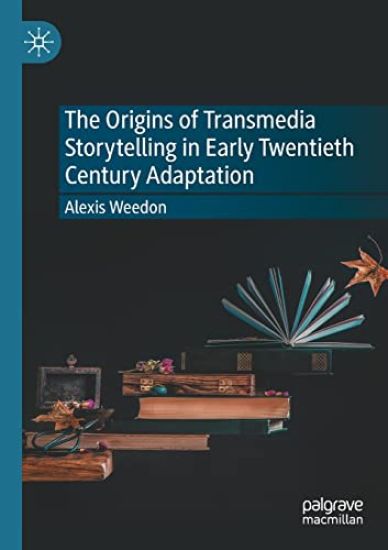
This book explores the significance of professional writers and their role in developing British storytelling in the 1920s and 1930s, and their influence on the poetics of today’s transmedia storytelling. Modern techniques can be traced back to the early twentieth century when film, radio and television provided professional writers with new formats and revenue streams for their fiction. The book explores the contribution of four British authors, household names in their day, who adapted work for film, television and radio. Although celebrities between the wars, Clemence Dane, G.B. Stern, Hugh Walpole and A.E.W Mason have fallen from view. The popular playwright Dane, witty novelist Stern and raconteur Walpole have been marginalised for being German, Jewish, female or gay and Mason’s contribution to film has been overlooked also. It argues that these and other vocational authors should be reassessed for their contribution to new media forms of storytelling. The book makes a significant contribution in the fields of media studies, adaptation studies, and the literary middlebrow.
The Origins of Transmedia Storytelling in Early Twentieth Century Adaptation
This book explores the significance of professional writers and their role in developing British storytelling in the 1920s and 1930s, and their influence on the poetics of today’s transmedia storytelling. Modern techniques can be traced back to the early twentieth century when film, radio and television provided professional writers with new formats and revenue streams for their fiction. The book explores the contribution of four British authors, household names in their day, who adapted work for film, television and radio. Although celebrities between the wars, Clemence Dane, G.B. Stern, Hugh Walpole and A.E.W Mason have fallen from view. The popular playwright Dane, witty novelist Stern and raconteur Walpole have been marginalised for being German, Jewish, female or gay and Mason’s contribution to film has been overlooked also. It argues that these and other vocational authors should be reassessed for their contribution to new media forms of storytelling. The book makes a significant contribution in the fields of media studies, adaptation studies, and the literary middlebrow.