Kirjojen hintavertailu. Mukana 11 244 527 kirjaa ja 12 kauppaa.

Kirjahaku

Etsi kirjoja tekijän nimen, kirjan nimen tai ISBN:n perusteella.

5 kirjaa tekijältä Alfred F. Young

Masquerade

Masquerade

Alfred F. Young

Random House USA Inc
2005
pokkari
In Masquerade, Alfred F. Young scrapes through layers of fiction and myth to uncover the story of Deborah Sampson, a Massachusetts woman who passed as a man and fought as a soldier for seventeen months toward the end of the American Revolution. Deborah Sampson was not the only woman to pose as a male and fight in the war, but she was certainly one of the most successful and celebrated. She managed to fight in combat and earn the respect of her officers and peers, and in later years she toured the country lecturing about her experiences and was partially successful in obtaining veterans' benefits. Her full story, however, was buried underneath exaggeration and myth (some of which she may have created herself), becoming another sort of masquerade. Young takes the reader with him through his painstaking efforts to reveal the real Deborah Sampson in a work of history that is as spellbinding as the best detective fiction.
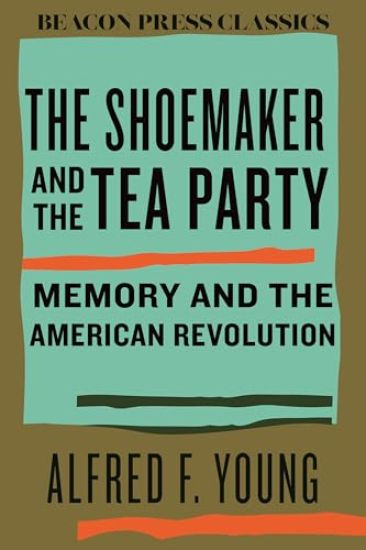
The Shoemaker and the Tea Party

The Shoemaker and the Tea Party

Alfred F. Young

BEACON PRESS
2025
sidottu
George Robert Twelves Hewes, a Boston shoemaker who participated in such key events of the American Revolution as the Boston Massacre and the Tea Party, might have been lost to history if not for his longevity and the historical mood of the 1830's. When the Tea Party became a leading symbol of the Revolutionary ear fifty years after the actual event, this 'common man' in his nineties was 'discovered' and celebrated in Boston as a national hero. Young pieces together this extraordinary tale, adding new insights about the role that individual and collective memory play in shaping our understanding of history.
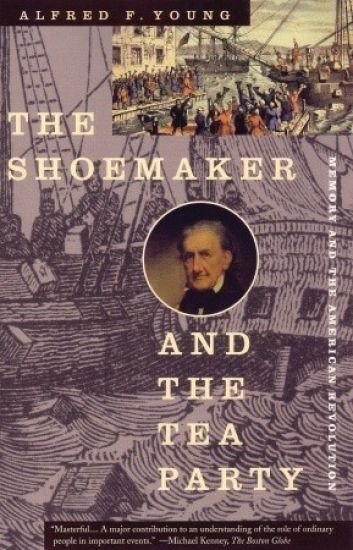
The Shoemaker and the Tea Party

The Shoemaker and the Tea Party

Alfred F. Young

Beacon Press
2000
pokkari
Award-winning historian Alfred F. Young unearths a rich story of the American Revolution with this account of George Robert Twelves Hewes, a Boston shoemaker who took part in such key events as the Boston Massacre and the Tea Party, and then served in the militia and as a seaman. Young pieces together this extraordinary tale and adds to it poignant reflections on the historical value of oral testimony and memory, and explores key questions about a time crucial in the shaping of national identity: What did it mean for the Tea Party to be claimed as an American symbol by both Boston Brahmins and the first trade unions? How do the memories of ordinary people pass into history? How should their stories be recognized by keepers of the past? Young's search leads us on an exciting journey and offers a provocative reading of American history.
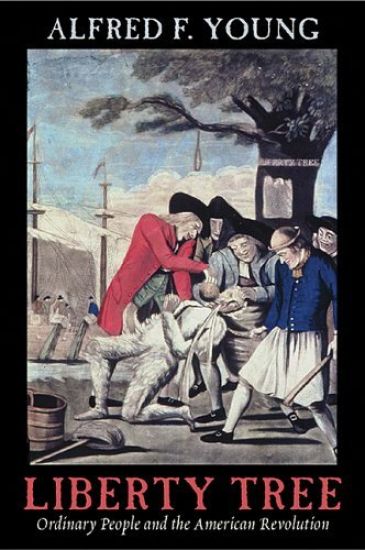
Liberty Tree

Liberty Tree

Alfred F. Young

New York University Press
2006
sidottu
With the publication of Liberty Tree, acclaimed historian Alfred F. Young presents a selection of his seminal writing as well as two provocative, never-before-published essays. Together, they take the reader on a journey through the American Revolution, exploring the role played by ordinary women and men (called, at the time, people out of doors) in shaping events during and after the Revolution, their impact on the Founding generation of the new American nation, and finally how this populist side of the Revolution has fared in public memory. Drawing on a wide range of sources, which include not only written documents but also material items like powder horns, and public rituals like parades and tarring and featherings, Young places ordinary Americans at the center of the Revolution. For example, in one essay he views the Constitution of 1787 as the result of an intentional accommodation by elites with non-elites, while another piece explores the process of ongoing negotiations would-be rulers conducted with the middling sort; women, enslaved African Americans, and Native Americans. Moreover, questions of history and modern memory are engaged by a compelling examination of icons of the Revolution, such as the pamphleteer Thomas Paine and Boston's Freedom Trail. For over forty years, history lovers, students, and scholars alike have been able to hear the voices and see the actions of ordinary people during the Revolutionary Era, thanks to Young's path-breaking work, which seamlessly blends sophisticated analysis with compelling and accessible prose. From his award-winning work on mechanics, or artisans, in the seaboard cities of the Northeast to the all but forgotten liberty tree, a major popular icon of the Revolution explored in depth for the first time, Young continues to astound readers as he forges new directions in the history of the American Revolution.
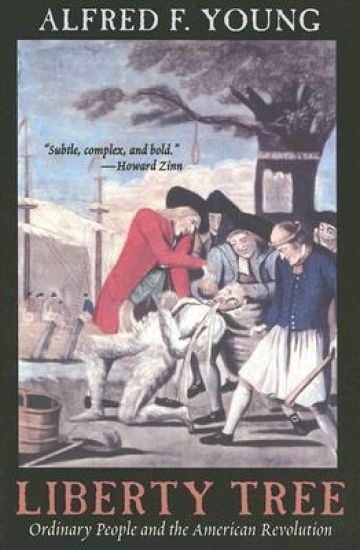
Liberty Tree

Liberty Tree

Alfred F. Young

New York University Press
2006
pokkari
With the publication of Liberty Tree, acclaimed historian Alfred F. Young presents a selection of his seminal writing as well as two provocative, never-before-published essays. Together, they take the reader on a journey through the American Revolution, exploring the role played by ordinary women and men (called, at the time, people out of doors) in shaping events during and after the Revolution, their impact on the Founding generation of the new American nation, and finally how this populist side of the Revolution has fared in public memory. Drawing on a wide range of sources, which include not only written documents but also material items like powder horns, and public rituals like parades and tarring and featherings, Young places ordinary Americans at the center of the Revolution. For example, in one essay he views the Constitution of 1787 as the result of an intentional accommodation by elites with non-elites, while another piece explores the process of ongoing negotiations would-be rulers conducted with the middling sort; women, enslaved African Americans, and Native Americans. Moreover, questions of history and modern memory are engaged by a compelling examination of icons of the Revolution, such as the pamphleteer Thomas Paine and Boston's Freedom Trail. For over forty years, history lovers, students, and scholars alike have been able to hear the voices and see the actions of ordinary people during the Revolutionary Era, thanks to Young's path-breaking work, which seamlessly blends sophisticated analysis with compelling and accessible prose. From his award-winning work on mechanics, or artisans, in the seaboard cities of the Northeast to the all but forgotten liberty tree, a major popular icon of the Revolution explored in depth for the first time, Young continues to astound readers as he forges new directions in the history of the American Revolution.