Kirjojen hintavertailu. Mukana 11 244 527 kirjaa ja 12 kauppaa.

Kirjahaku

Etsi kirjoja tekijän nimen, kirjan nimen tai ISBN:n perusteella.

2 kirjaa tekijältä Alfred Mathis-Rosenzweig

Gustav Mahler

Gustav Mahler

Alfred Mathis-Rosenzweig

Ashgate Publishing Limited
2007
nidottu
Alfred Mathis-Rosenzweig (1897-1948) was a Viennese musicologist and critic who studied at the universities of Budapest and Vienna. From 1933 he embarked on producing a large-scale study of Mahler but at the time of his death the manuscript was left unfinished. Although it was presumed lost until 1997, the unfinished typescript, written in German, had been deposited in the library of the Guildhall School of Music & Drama. In 2003, the School‘s Research Centre commissioned Jeremy Barham to prepare the first published edition of this important work, and his annotations and commentary add invaluable material to his translation of this historic document. Biographical material is used as a loose framework and platform for Mathis-Rosenzweig‘s profound examination of the environment within which Mahler‘s earlier music was embedded. This is an environment in which Wagner, Bruckner and Wolf feature prominently, and in which Mahler‘s music is viewed from the wider perspective of nineteenth-century German cultural domination and the subsequent rise of political extremism in the form of Hitlerite fascism.
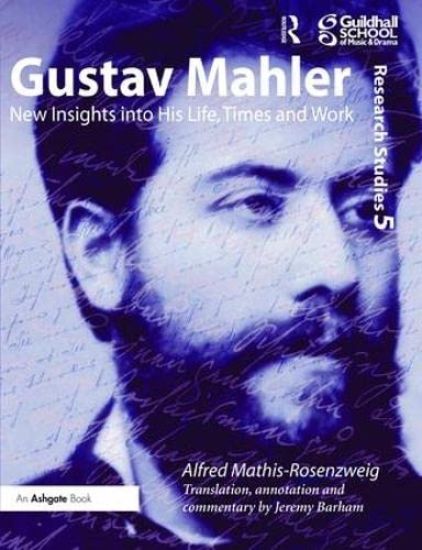
Gustav Mahler

Gustav Mahler

Alfred Mathis-Rosenzweig

Routledge
2017
sidottu
Alfred Mathis-Rosenzweig (1897-1948) was a Viennese musicologist and critic who studied at the universities of Budapest and Vienna. From 1933 he embarked on producing a large-scale study of Mahler but at the time of his death the manuscript was left unfinished. Although it was presumed lost until 1997, the unfinished typescript, written in German, had been deposited in the library of the Guildhall School of Music & Drama. In 2003, the School‘s Research Centre commissioned Jeremy Barham to prepare the first published edition of this important work, and his annotations and commentary add invaluable material to his translation of this historic document. Biographical material is used as a loose framework and platform for Mathis-Rosenzweig‘s profound examination of the environment within which Mahler‘s earlier music was embedded. This is an environment in which Wagner, Bruckner and Wolf feature prominently, and in which Mahler‘s music is viewed from the wider perspective of nineteenth-century German cultural domination and the subsequent rise of political extremism in the form of Hitlerite fascism.