Kirjojen hintavertailu. Mukana 11 627 220 kirjaa ja 12 kauppaa.

Kirjahaku

Etsi kirjoja tekijän nimen, kirjan nimen tai ISBN:n perusteella.

4 kirjaa tekijältä Alice M. Sinnott

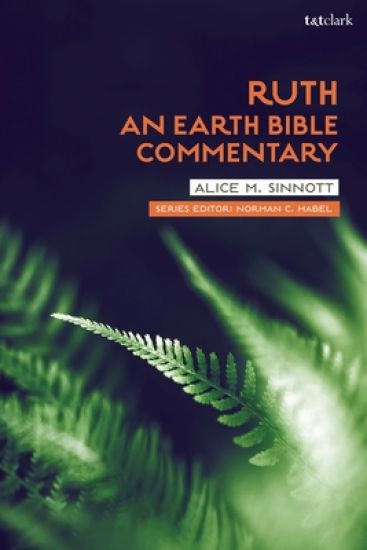
Ruth: An Earth Bible Commentary

Ruth: An Earth Bible Commentary

Alice M. Sinnott

T. T.Clark Ltd
2020
sidottu
This ecological reading of the book of Ruth takes into account the power which this short story holds, speaking to the whole person by engaging each reader’s emotions, imagination, memory, and reason. Alice M. Sinnott demonstrates how the story of Ruth transcends geographical, spatial and historical boundaries by appealing to all concerned with the plight of the Earth. Sinnott highlights the ecological dimensions of the text that scholars have ignored or dismissed in the past, and explores how the narrator gives voice to the way in which the Earth functions throughout the story. Integral to her reading of the text is a concern for Earth and matters such as food, famine, death, harvests, grain, day and night and members of the Earth community. Sinnott considers non-human characters as legitimate determining factors in the structuring of the narrative, and recognizes Earth and members of the Earth community as equally valid subjects. By identifying with these aspects of Ruth, Sinnott is able to read the text with new eyes; and by placing special emphasis in how the narrator depicts the natural world, she reinforces how subjects from that world emerge as integral components.
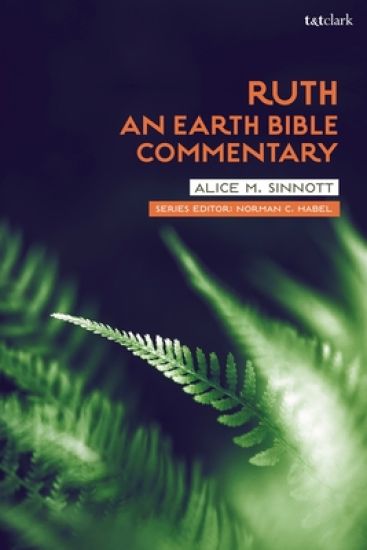
Ruth: An Earth Bible Commentary

Ruth: An Earth Bible Commentary

Alice M. Sinnott

T. T.Clark Ltd
2022
nidottu
This ecological reading of the book of Ruth takes into account the power which this short story holds, speaking to the whole person by engaging each reader’s emotions, imagination, memory, and reason. Alice M. Sinnott demonstrates how the story of Ruth transcends geographical, spatial and historical boundaries by appealing to all concerned with the plight of the Earth. Sinnott highlights the ecological dimensions of the text that scholars have ignored or dismissed in the past, and explores how the narrator gives voice to the way in which the Earth functions throughout the story. Integral to her reading of the text is a concern for Earth and matters such as food, famine, death, harvests, grain, day and night and members of the Earth community. Sinnott considers non-human characters as legitimate determining factors in the structuring of the narrative, and recognizes Earth and members of the Earth community as equally valid subjects. By identifying with these aspects of Ruth, Sinnott is able to read the text with new eyes; and by placing special emphasis in how the narrator depicts the natural world, she reinforces how subjects from that world emerge as integral components.
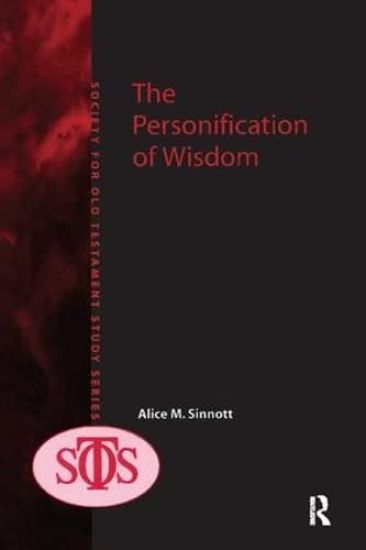
The Personification of Wisdom

The Personification of Wisdom

Alice M. Sinnott

Ashgate Publishing Limited
2005
sidottu
This book examines the personification of Wisdom as a female figure - a central motif in Proverbs, Job, Sirach, Wisdom and Baruch. Alice M. Sinnott identifies how and why the complex character of Wisdom was introduced into the Israelite tradition, and created and developed by Israelite/Jewish wisdom teachers and writers. Arguing that by personifying Wisdom the authors of Proverbs responded to Israel's defeat by Babylon and the loss of Davidic monarchy, and by retrieving and transforming the Wisdom figure the authors of Sirach, Baruch and Wisdom responded to the spread of Hellenism and the potential loss of identity for Jews. Sinnott concludes that personified Wisdom functioned to reinterpret and transform the Israelite/Jewish tradition.
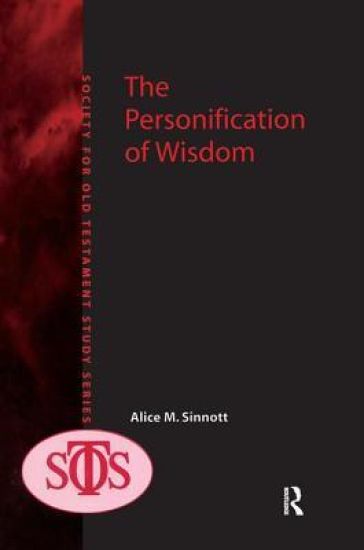
The Personification of Wisdom

The Personification of Wisdom

Alice M. Sinnott

Routledge
2017
nidottu
This book examines the personification of Wisdom as a female figure - a central motif in Proverbs, Job, Sirach, Wisdom and Baruch. Alice M. Sinnott identifies how and why the complex character of Wisdom was introduced into the Israelite tradition, and created and developed by Israelite/Jewish wisdom teachers and writers. Arguing that by personifying Wisdom the authors of Proverbs responded to Israel's defeat by Babylon and the loss of Davidic monarchy, and by retrieving and transforming the Wisdom figure the authors of Sirach, Baruch and Wisdom responded to the spread of Hellenism and the potential loss of identity for Jews. Sinnott concludes that personified Wisdom functioned to reinterpret and transform the Israelite/Jewish tradition.