Kirjojen hintavertailu. Mukana 11 425 274 kirjaa ja 12 kauppaa.

Kirjahaku

Etsi kirjoja tekijän nimen, kirjan nimen tai ISBN:n perusteella.

9 kirjaa tekijältä Alice Mah

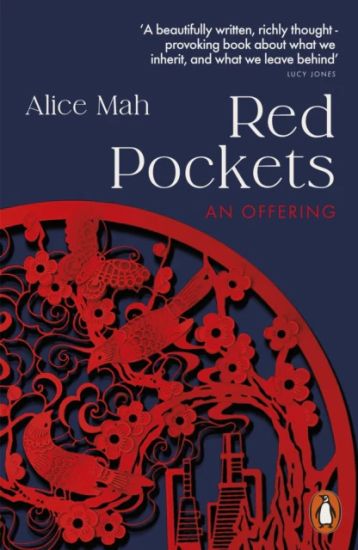
Red Pockets

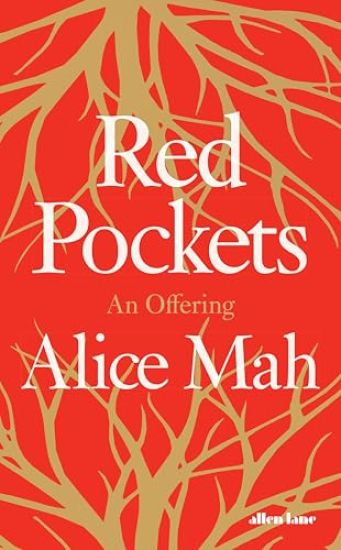
Red Pockets

Alice Mah

PENGUIN BOOKS LTD
2025
sidottu
‘A fascinating exploration of the linkages between ancestral inheritance, diasporic belonging, and our climate future... I read it in one sitting, which took me on a moving and often unexpected journey’ Aube Rey Lescure'Part of me knew what the hungry ghosts wanted all along, what they still want. It is not vengeance. No, they want something else, but we refuse to listen. They want us to face up to our broken obligations.' Every spring during the Qingming Festival, people return to their home villages in China to sweep the tombs of their ancestors, making offerings of food and incense to prevent them from becoming hungry ghosts that could cause misfortune. Yet for the past century, a time ruptured by war and revolution, many tombs have been left unattended. Following a record year of wildfires, Alice Mah returns to her family’s rice village in South China, and discovers that her ancestors are almost forgotten, and there are no tombs left to sweep. Instead, there are incalculable clan debts to be paid. Here Mah chronicles her journey from the rice villages of South China to her home in post-industrial England, through the Chinatowns of Western Canada where she grew up, to the isles and industry of Scotland where she now lives. As years pass and fires rage on, she becomes increasingly troubled by her ancestors’ neglected graves. Her research on pollution gives way to growing eco-anxiety, culminating in a crisis of spiritual belief. A haunting blend of memoir, cultural history and environmental exploration, Red Pockets confronts the hungry ghosts of our neglected ancestors, while searching for an acceptable offering. What do we owe to past and future generations? What do we owe to the places that we inhabit?
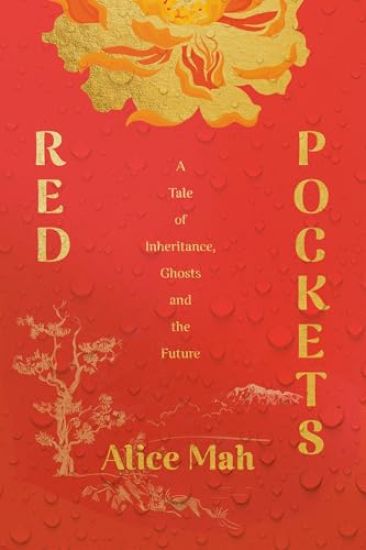
Red Pockets: A Tale of Inheritance, Ghosts and the Future
A poignant personal narrative about family, cultural history, and ecology, and a quest to understand what we owe our ancestors and our descendants from an unforgettable new voice. "Part of me knew what the hungry ghosts wanted all along, what they still want. It is not vengeance. No, they want something else, but we refuse to listen. They want us to face up to our broken obligations." Every spring during the Qingming Festival, people return to their home villages in China to sweep the tombs of their ancestors. They make offerings of food and incense to prevent their ancestors from becoming hungry ghosts that could cause misfortune, illnesses and crop failures. Yet for the past century, the tombs of many overseas Chinese have been left unattended because of the ruptures of war and revolution. Following a record year of wildfires, Alice Mah returns to her family's rice village in South China, ninety years after her grandfather's last visit and fifty years after her last relative died in the village. While she finds clan members who still remember her family, there are no tombs left to sweep. Instead, there are incalculable clan debts to be paid. In Red Pockets, Mah chronicles her journey from the rice villages of South China to her home in post-industrial England, through the Chinatowns of Western Canada where she grew up, to the isles and industry of Scotland where she now lives. As years pass and fires rage on, she becomes increasingly troubled by her ancestors' neglected graves. Her research on pollution gives way to growing eco-anxiety, culminating in a crisis of spiritual belief. A haunting blend of memoir, cultural history and environmental exploration, Red Pockets confronts the hungry ghosts of our neglected ancestors, while searching for an acceptable offering. What do we owe to past and future generations? What do we owe to the places that we inhabit?
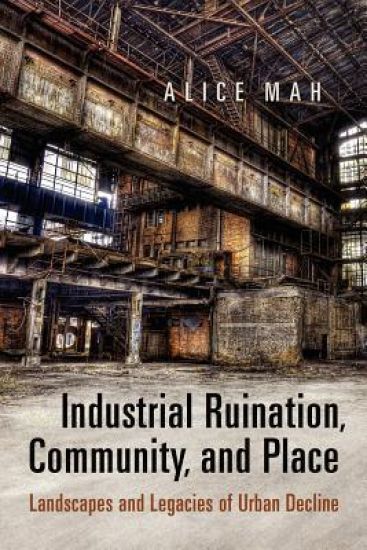
Industrial Ruination, Community and Place

Industrial Ruination, Community and Place

Alice Mah

University of Toronto Press
2012
pokkari
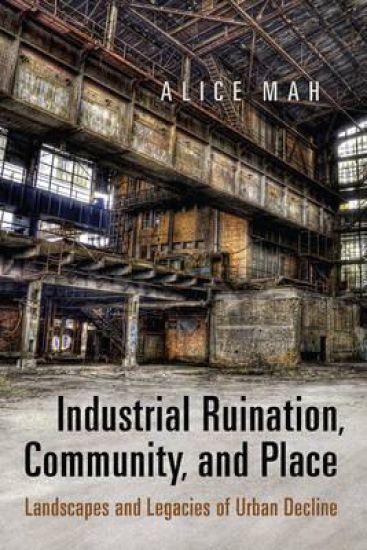
Abandoned factories, shipyards, warehouses, and refineries are features of many industrialized cities around the world. But despite their state of decline, these derelict sites remain vitally connected with the urban landscapes that surround them. In this enlightening new book, Alice Mah explores the experiences of urban decline and post-industrial change in three different community contexts: Niagara Falls, Canada/USA; Newcastle-upon-Tyne, UK; and Ivanovo, Russia. Employing a unique methodological approach that combines ethnographic, spatial, and documentary methods, Mah draws on international comparisons of the landscapes and legacies of industrial ruination over the past forty years. Through this, she foregrounds the complex challenges of living with prolonged uncertainty and deprivation amidst socioeconomic change. This rich comparative study makes an essential contribution to far-reaching debates about the decline of manufacturing, regeneration, and identity, and will have important implications for urban theory and policy.
Industrial Ruination, Community and Place

Industrial Ruination, Community and Place

Alice Mah

University of Toronto Press
2012
sidottu
Abandoned factories, shipyards, warehouses, and refineries are features of many industrialized cities around the world. But despite their state of decline, these derelict sites remain vitally connected with the urban landscapes that surround them. In this enlightening new book, Alice Mah explores the experiences of urban decline and post-industrial change in three different community contexts: Niagara Falls, Canada/USA; Newcastle-upon-Tyne, UK; and Ivanovo, Russia. Employing a unique methodological approach that combines ethnographic, spatial, and documentary methods, Mah draws on international comparisons of the landscapes and legacies of industrial ruination over the past forty years. Through this, she foregrounds the complex challenges of living with prolonged uncertainty and deprivation amidst socioeconomic change. This rich comparative study makes an essential contribution to far-reaching debates about the decline of manufacturing, regeneration, and identity, and will have important implications for urban theory and policy.
Petrochemical Planet

Petrochemical Planet

Alice Mah

DUKE UNIVERSITY PRESS
2023
sidottu
In Petrochemical Planet Alice Mah examines the changing nature of the petrochemical industry as it faces the existential threats of climate change and environmental activism. Drawing on research from high-level industry meetings, petrochemical plant tours, and polluted communities, Mah juxtaposes the petrochemical industry’s destructive corporate worldviews with environmental justice struggles in the United States, China, and Europe. She argues that amid intensifying public pressures, a profound planetary industrial transformation is underway that is challenging the reigning age of plastics and fossil fuels. This challenge comes from what Mah calls multiscalar activism-a form of collective resistance that spans local, regional, national, and planetary sites and scales and addresses the interconnected issues of environmental justice, climate, pollution, health, extraction, land rights, workers’ rights, systemic racism, and toxic colonialism. Reflecting on the obstacles and openings for critical interventions in the petrochemical industry, Mah offers important insights into the possibilities for resistance and for developing alternatives to the reliance on fossil fuels.
Petrochemical Planet

Petrochemical Planet

Alice Mah

DUKE UNIVERSITY PRESS
2023
pokkari
In Petrochemical Planet Alice Mah examines the changing nature of the petrochemical industry as it faces the existential threats of climate change and environmental activism. Drawing on research from high-level industry meetings, petrochemical plant tours, and polluted communities, Mah juxtaposes the petrochemical industry’s destructive corporate worldviews with environmental justice struggles in the United States, China, and Europe. She argues that amid intensifying public pressures, a profound planetary industrial transformation is underway that is challenging the reigning age of plastics and fossil fuels. This challenge comes from what Mah calls multiscalar activism-a form of collective resistance that spans local, regional, national, and planetary sites and scales and addresses the interconnected issues of environmental justice, climate, pollution, health, extraction, land rights, workers’ rights, systemic racism, and toxic colonialism. Reflecting on the obstacles and openings for critical interventions in the petrochemical industry, Mah offers important insights into the possibilities for resistance and for developing alternatives to the reliance on fossil fuels.
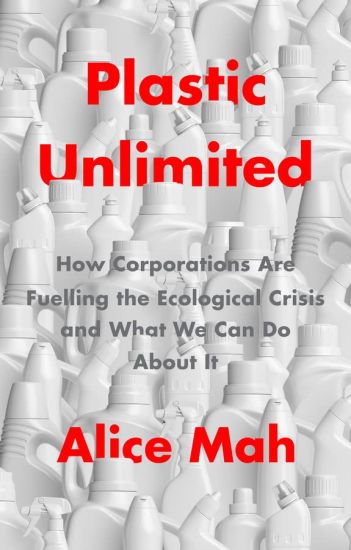
Plastic Unlimited

Plastic Unlimited

Alice Mah

JOHN WILEY AND SONS LTD
2022
sidottu
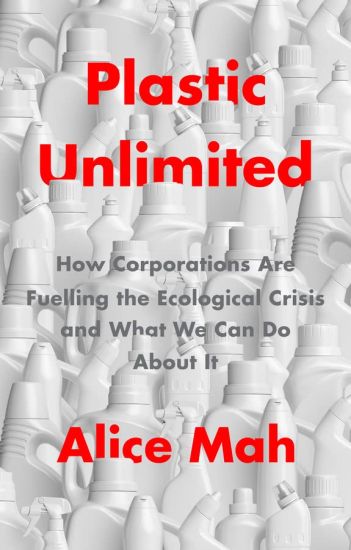
Despite the global movement to tackle plastic pollution, demand for plastics continues to rise. As the world transitions away from fossil fuels, plastics are set to be the biggest driver of oil demand. Single-use plastics – deemed essential in the fight against COVID-19 – have been given a new lease of life. In a world beset with crisis fatigue, what can we do to curb the escalating plastics crisis? In this book, Alice Mah reveals how petrochemical and plastics corporations have fought relentlessly to protect and expand plastics markets in the face of existential threats to business. From denying the toxic health effects of plastics to co-opting circular economy solutions to plastic waste and exploiting the opportunities offered up by the global pandemic, industry has deflected attention from the key problem: plastics production. The consequences of unfettered plastics growth are pernicious and highly unequal. We all have a part to play in reducing plastics consumption but we must tackle the problem at its root: the capitalist imperative for limitless growth.
Plastic Unlimited

Plastic Unlimited

Alice Mah

JOHN WILEY AND SONS LTD
2022
nidottu
Despite the global movement to tackle plastic pollution, demand for plastics continues to rise. As the world transitions away from fossil fuels, plastics are set to be the biggest driver of oil demand. Single-use plastics – deemed essential in the fight against COVID-19 – have been given a new lease of life. In a world beset with crisis fatigue, what can we do to curb the escalating plastics crisis? In this book, Alice Mah reveals how petrochemical and plastics corporations have fought relentlessly to protect and expand plastics markets in the face of existential threats to business. From denying the toxic health effects of plastics to co-opting circular economy solutions to plastic waste and exploiting the opportunities offered up by the global pandemic, industry has deflected attention from the key problem: plastics production. The consequences of unfettered plastics growth are pernicious and highly unequal. We all have a part to play in reducing plastics consumption but we must tackle the problem at its root: the capitalist imperative for limitless growth.
Red Pockets

Red Pockets

Alice Mah

PENGUIN BOOKS LTD
2026
pokkari
'Part of me knew what the hungry ghosts wanted all along, what they still want. It is not vengeance. No, they want something else, but we refuse to listen. They want us to face up to our broken obligations.'Every spring during the Qingming Festival, people return to their home villages in China to sweep the tombs of their ancestors, making offerings of food and incense to prevent them from becoming hungry ghosts that could cause misfortune. Yet for the past century, a time ruptured by war and revolution, many tombs have been left unattended. Following a record year of wildfires, Alice Mah returns to her family’s rice village in South China, and discovers that her ancestors are almost forgotten, and there are no tombs left to sweep. Instead, there are incalculable clan debts to be paid.Here Mah chronicles her journey from the rice villages of South China to her home in post-industrial England, through the Chinatowns of Western Canada where she grew up, to the isles and industry of Scotland where she now lives. As years pass and fires rage on, she becomes increasingly troubled by her ancestors’ neglected graves. Her research on pollution gives way to growing eco-anxiety, culminating in a crisis of spiritual belief.A haunting blend of memoir, cultural history and environmental exploration, Red Pockets confronts the hungry ghosts of our neglected ancestors, while searching for an acceptable offering. What do we owe to past and future generations? What do we owe to the places that we inhabit?