Kirjojen hintavertailu. Mukana 12 152 606 kirjaa ja 12 kauppaa.

Kirjahaku

Etsi kirjoja tekijän nimen, kirjan nimen tai ISBN:n perusteella.

4 kirjaa tekijältä Alison Adam

Artificial Knowing

Artificial Knowing

Alison Adam

Routledge
1998
sidottu
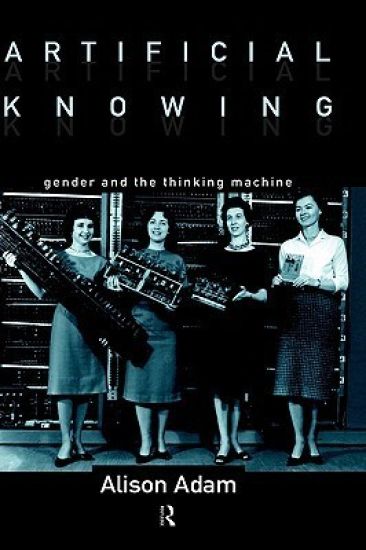
Artificial Knowing challenges the masculine slant in the Artificial Intelligence (AI) view of the world. Alison Adam admirably fills the large gap in science and technology studies by showing us that gender bias is inscribed in AI-based computer systems. Her treatment of feminist epistemology, focusing on the ideas of the knowing subject, the nature of knowledge, rationality and language, are bound to make a significant and powerful contribution to AI studies. Drawing from theories by Donna Haraway and Sherry Turkle, and using tools of feminist epistemology, Adam provides a sustained critique of AI which interestingly re-enforces many of the traditional criticisms of the AI project. Artificial Knowing is an esential read for those interested in gender studies, science and technology studies, and philosophical debates in AI.
Artificial Knowing

Artificial Knowing

Alison Adam

Routledge
1998
nidottu
Artificial Knowing challenges the masculine slant in the Artificial Intelligence (AI) view of the world. Alison Adam admirably fills the large gap in science and technology studies by showing us that gender bias is inscribed in AI-based computer systems. Her treatment of feminist epistemology, focusing on the ideas of the knowing subject, the nature of knowledge, rationality and language, are bound to make a significant and powerful contribution to AI studies. Drawing from theories by Donna Haraway and Sherry Turkle, and using tools of feminist epistemology, Adam provides a sustained critique of AI which interestingly re-enforces many of the traditional criticisms of the AI project. Artificial Knowing is an esential read for those interested in gender studies, science and technology studies, and philosophical debates in AI.
A History of Forensic Science

A History of Forensic Science

Alison Adam

Routledge
2015
sidottu
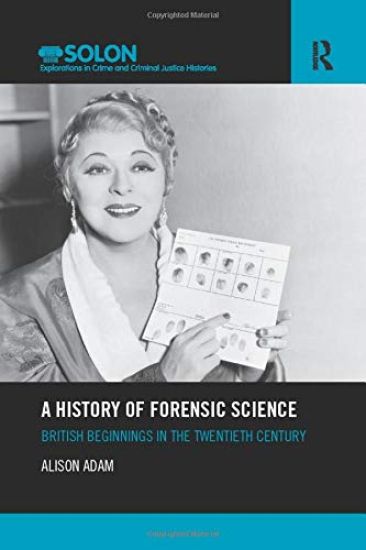
How and when did forensic science originate in the UK? This question demands our attention because our understanding of present-day forensic science is vastly enriched through gaining an appreciation of what went before. A History of Forensic Science is the first book to consider the wide spectrum of influences which went into creating the discipline in Britain in the first part of the twentieth century. This book offers a history of the development of forensic sciences, centred on the UK, but with consideration of continental and colonial influences, from around 1880 to approximately 1940. This period was central to the formation of a separate discipline of forensic science with a distinct professional identity and this book charts the strategies of the new forensic scientists to gain an authoritative voice in the courtroom and to forge a professional identity in the space between forensic medicine, scientific policing, and independent expert witnessing. In so doing, it improves our understanding of how forensic science developed as it did. This book is essential reading for academics and students engaged in the study of criminology, the history of forensic science, science and technology studies and the history of policing.
A History of Forensic Science

A History of Forensic Science

Alison Adam

Routledge
2017
nidottu
How and when did forensic science originate in the UK? This question demands our attention because our understanding of present-day forensic science is vastly enriched through gaining an appreciation of what went before. A History of Forensic Science is the first book to consider the wide spectrum of influences which went into creating the discipline in Britain in the first part of the twentieth century. This book offers a history of the development of forensic sciences, centred on the UK, but with consideration of continental and colonial influences, from around 1880 to approximately 1940. This period was central to the formation of a separate discipline of forensic science with a distinct professional identity and this book charts the strategies of the new forensic scientists to gain an authoritative voice in the courtroom and to forge a professional identity in the space between forensic medicine, scientific policing, and independent expert witnessing. In so doing, it improves our understanding of how forensic science developed as it did. This book is essential reading for academics and students engaged in the study of criminology, the history of forensic science, science and technology studies and the history of policing.