Kirjojen hintavertailu. Mukana 12 016 292 kirjaa ja 12 kauppaa.

Kirjahaku

Etsi kirjoja tekijän nimen, kirjan nimen tai ISBN:n perusteella.

4 kirjaa tekijältä Alison Finch

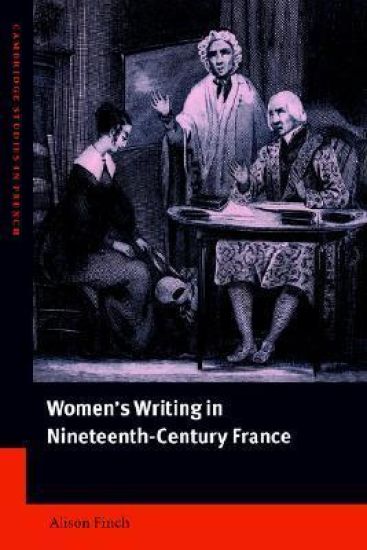
Women's Writing in Nineteenth-Century France

Women's Writing in Nineteenth-Century France

Alison Finch

Cambridge University Press
2006
pokkari
This is the most complete critical survey to date of women's literature in nineteenth-century France. Alison Finch's wide-ranging analysis of some 60 writers reflects the rich diversity of a century that begins with Mme de Staël's cosmopolitanism and ends with Rachilde's perverse eroticism. Finch's study brings out the contribution not only of major figures like George Sand but also of many other talented and important writers who have been unjustly rejected, including Flora Tristan, Claire de Duras and Delphine de Girardin. Her account opens new perspectives on the interchange between male and female authors and on women's literary traditions during the period. She discusses popular and serious writing: fiction, verse, drama, memoirs, journalism, feminist polemic, historiography, travelogues, children's tales, religious and political thought - often brave, innovative texts linked to women's social and legal status in an oppressive society. Extensive reference features include bibliographical guides to texts and writers.
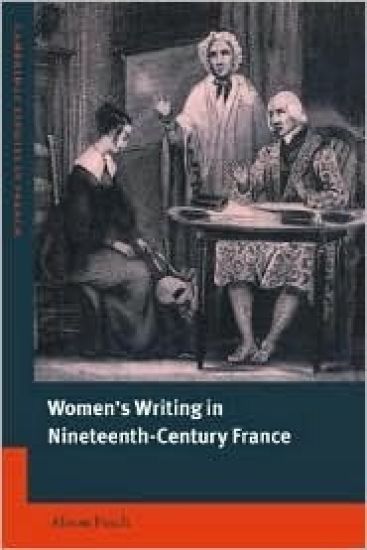
Women's Writing in Nineteenth-Century France

Women's Writing in Nineteenth-Century France

Alison Finch

Cambridge University Press
2000
sidottu
This is the most complete critical survey to date of women's literature in nineteenth-century France. Alison Finch's wide-ranging analysis of some 60 writers reflects the rich diversity of a century that begins with Mme de Staël's cosmopolitanism and ends with Rachilde's perverse eroticism. Finch's study brings out the contribution not only of major figures like George Sand but also of many other talented and important writers who have been unjustly rejected, including Flora Tristan, Claire de Duras and Delphine de Girardin. Her account opens new perspectives on the interchange between male and female authors and on women's literary traditions during the period. She discusses popular and serious writing: fiction, verse, drama, memoirs, journalism, feminist polemic, historiography, travelogues, children's tales, religious and political thought - often brave, innovative texts linked to women's social and legal status in an oppressive society. Extensive reference features include bibliographical guides to texts and writers.
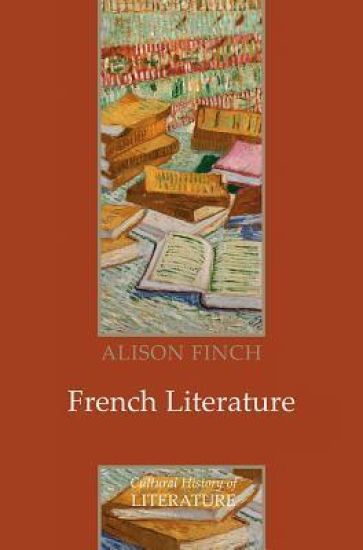
French Literature

French Literature

Alison Finch

Polity Press
2010
sidottu
This book is the first to offer a cultural history of French literature from its very beginnings, analysing the relationship between French literature and France’s evolving power structures from the Middle Ages through to the present day. It shows the political connections between the elite literature of France and other aspects of its culture, from racism, misogyny, tolerance and liberal reform to song, street performance, advertising and cinema. The nation’s literature contributed to these and was shaped by them. The book highlights the continuities and the unique fault-lines in the society that, over a millennium, has produced ‘French culture’. It looks at France’s early and continuing struggle for a national identity through both its language and its literature, and it shows that this struggle co-exists with openness to other cultures and a bawdy or subtle rebelliousness against the Church and other forms of authority. En route it takes in cuisine, gardens and the French tradition in mathematics. The survey provides an accessible approach to key issues in the history of French culture as well as a wide context for specialists.
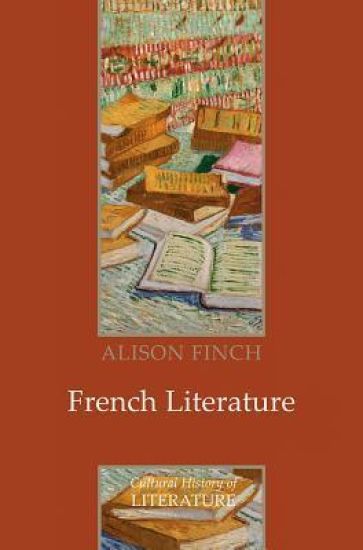
French Literature

French Literature

Alison Finch

Polity Press
2010
nidottu
This book is the first to offer a cultural history of French literature from its very beginnings, analysing the relationship between French literature and France’s evolving power structures from the Middle Ages through to the present day. It shows the political connections between the elite literature of France and other aspects of its culture, from racism, misogyny, tolerance and liberal reform to song, street performance, advertising and cinema. The nation’s literature contributed to these and was shaped by them. The book highlights the continuities and the unique fault-lines in the society that, over a millennium, has produced ‘French culture’. It looks at France’s early and continuing struggle for a national identity through both its language and its literature, and it shows that this struggle co-exists with openness to other cultures and a bawdy or subtle rebelliousness against the Church and other forms of authority. En route it takes in cuisine, gardens and the French tradition in mathematics. The survey provides an accessible approach to key issues in the history of French culture as well as a wide context for specialists.