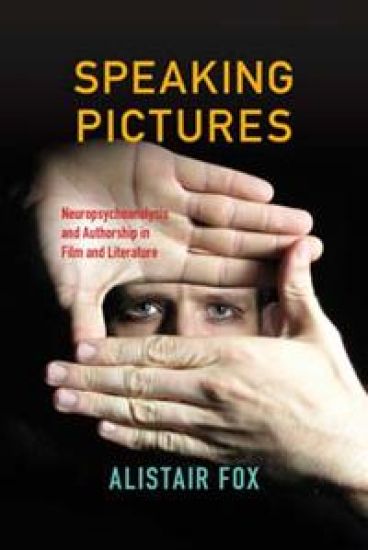
Alistair Fox presents a theory of literary and cinematic representation through the lens of neurological and cognitive science in order to understand the origins of storytelling and our desire for fictional worlds. Fox contends that fiction is deeply shaped by emotions and the human capacity for metaphorical thought. Literary and moving images bridge emotional response with the cognitive side of the brain. In a radical move to link the neurosciences with psychoanalysis, Fox foregrounds the interpretive experience as a way to reach personal emotional equilibrium by working through autobiographical issues within a fictive form.
Alistair Fox presents a theory of literary and cinematic representation through the lens of neurological and cognitive science in order to understand the origins of storytelling and our desire for fictional worlds. Fox contends that fiction is deeply shaped by emotions and the human capacity for metaphorical thought. Literary and moving images bridge emotional response with the cognitive side of the brain. In a radical move to link the neurosciences with psychoanalysis, Fox foregrounds the interpretive experience as a way to reach personal emotional equilibrium by working through autobiographical issues within a fictive form.
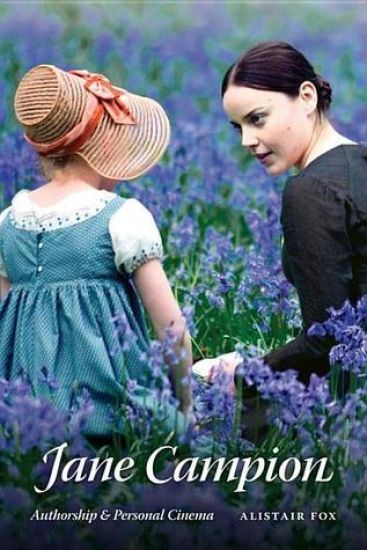
Alistair Fox explores the dynamics of the creative process involved in cinematic representation in the films of Jane Campion, one of the most highly regarded of contemporary filmmakers. Utilizing a wealth of new material—including interviews with Campion and her sister and personal writings of her mother—Fox traces the connections between the filmmaker's complex background and the thematic preoccupations of her films, from her earliest short, Peel, to 2009's Bright Star. He establishes how Campion's deep investment in family relationships informs her aesthetic strategies, revealed in everything from the handling of shots and lighting, to the complex system of symbolic images repeated from one film to the next.
This book reassesses Renaissance English literature and its place in Elizabethan society. It examines, in particular, the role of Italianate literary imitation in addressing the ethical and political issues of the sixteenth century.
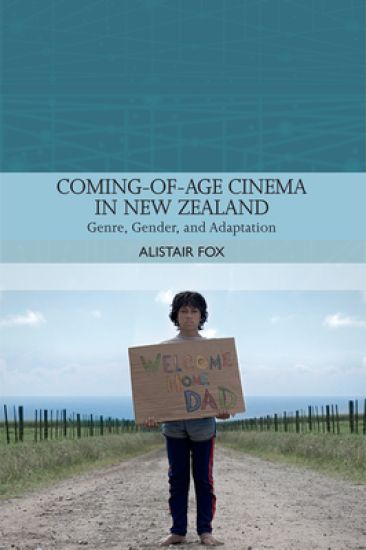
This is the first book to investigate the coming-of-age genre as a significant phenomenon in New Zealand's national cinema, tracing its development and elucidating its role in cultural change. With chapters on landmark films like An Angel at My Table, Heavenly Creatures, Once Were Warriors and Boy, this book explores the influence of the French New Wave and European art cinema, and examines the dialogue between national cinema and a nation's literature. Looking at the characteristics of an indigenous "Fourth Cinema," as well as different perspectives on gendered and sexual identities, Coming-of-Age Cinema in New Zealand considers the evidence that these films provide of significant cultural shifts that have taken place or are in the process of taking place as New Zealanders' discover their emerging national identity.
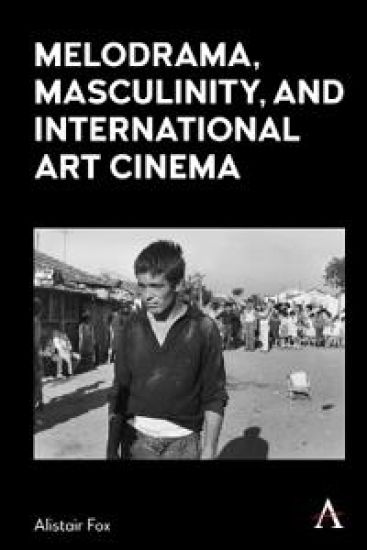
This book presents a series of essays that reassess the role of melodrama in a number of touchstone films in the art-cinema tradition that explore the subjective experience of a central male protagonist, announcing the emergence of a genre that has progressively proliferated in contemporary cinema. Case studies by such notable auteurs as Vittorio De Sica, Satyajit Ray, Vincente Minnelli, Pier Paolo Pasolini, Ingmar Bergman, François Truffaut, Jacques Demy, Rainer Werner Fassbinder, and Luca Guadagnino demonstrate how the art-house male melodrama offers a vision of masculinity that is sexually fluid, fragmented, unstable, and often incapacitated to the point of paralysis, rather than the heroic stereotypes commonly found in popular genre cinema.
This book presents a series of essays that reassess the role of melodrama in a number of touchstone films in the art-cinema tradition that explore the subjective experience of a central male protagonist, announcing the emergence of a genre that has progressively proliferated in contemporary cinema. Case studies by such notable auteurs as Vittorio De Sica, Satyajit Ray, Vincente Minnelli, Pier Paolo Pasolini, Ingmar Bergman, François Truffaut, Jacques Demy, Rainer Werner Fassbinder, and Luca Guadagnino demonstrate how the art-house male melodrama offers a vision of masculinity that is sexually fluid, fragmented, unstable, and often incapacitated to the point of paralysis, rather than the heroic stereotypes commonly found in popular genre cinema.
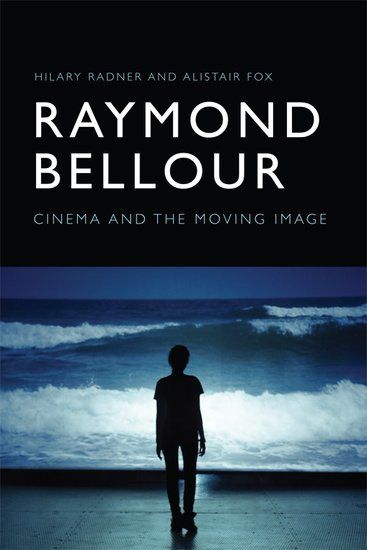
A comprehensive study of Raymond Bellour, one of the most important foundational theorists of Film StudiesOne of the most influential figures in French film philosophy, Raymond Bellour's interests range across cinema, art, literature and philosophy, and his work sits at the critical juncture between the cinematic experience in the period of classical cinema to the new forms of spectatorship ushered in by digital media in the 21st century. With a succinct account of Bellour's oeuvre, this book provides a generous introduction to his ideas on cinema, an annotated bibliography of his work, and a six-chapter translation of a substantial and wide-ranging interview previously unavailable in English. Providing a clear, systematic account of the evolution of Bellour's thought on the nature of cinematic representation, the impact of digital technology and the response of the spectator, this is an essential guide to the work of a major contemporary thinker.Key featuresProvides a clear, systematic exposition of the evolution of Bellour's thought over 60 yearsMakes available in an English translation a hitherto unpublished interview with Bellour from 2015Includes an annotated bibliography, with brief abstracts of all of his books and most important articles
A comprehensive study of Raymond Bellour, one of the most important foundational theorists of Film StudiesOne of the most influential figures in French film philosophy, Raymond Bellour's interests range across cinema, art, literature and philosophy, and his work sits at the critical juncture between the cinematic experience in the period of classical cinema to the new forms of spectatorship ushered in by digital media in the 21st century. With a succinct account of Bellour's oeuvre, this book provides a generous introduction to his ideas on cinema, an annotated bibliography of his work, and a six-chapter translation of a substantial and wide-ranging interview previously unavailable in English. Providing a clear, systematic account of the evolution of Bellour's thought on the nature of cinematic representation, the impact of digital technology and the response of the spectator, this is an essential guide to the work of a major contemporary thinker.Key featuresProvides a clear, systematic exposition of the evolution of Bellour's thought over 60 yearsMakes available in an English translation a hitherto unpublished interview with Bellour from 2015Includes an annotated bibliography, with brief abstracts of all of his books and most important articles