Kirjojen hintavertailu. Mukana 12 083 983 kirjaa ja 12 kauppaa.

Kirjahaku

Etsi kirjoja tekijän nimen, kirjan nimen tai ISBN:n perusteella.

4 kirjaa tekijältä Alyssa Goldstein Sepinwall

The Abbe Gregoire and the French Revolution

The Abbe Gregoire and the French Revolution

Alyssa Goldstein Sepinwall

University of California Press
2005
sidottu
In this age of globalization, the eighteenth-century priest and abolitionist Henri Gregoire has often been called a man ahead of his time. An icon of anti racism, a hero to people from Ho Chi Minh to French Jews, Gregoire has been particularly celebrated since 1989, when the French government placed him in the Pantheon as a model of ideals of universalism and human rights. In this beautifully written biography, based on newly discovered and previously overlooked material, we gain access for the first time to the full complexity of Gregoire's intellectual and political universe as well as the compelling nature of his persona. His life offers an extraordinary vantage from which to view large issues in European and world history in the late eighteenth and early nineteenth centuries and provides provocative insights into many of the prevailing tensions, ideals, and paradoxes of the twenty-first century. Focusing on Gregoire's idea of 'regeneration', that people could literally be made anew, Sepinwall argues that revolutionary universalism was more complicated than it appeared. Tracing the Revolution's long-term legacy, she suggests that while it spread concepts of equality and liberation throughout the world, its ideals also helped to justify colonialism and conquest.

The Abbe Gregoire and the French Revolution

The Abbe Gregoire and the French Revolution

Alyssa Goldstein Sepinwall

University of California Press
2021
pokkari
In this age of globalization, the eighteenth-century priest and abolitionist Henri Grégoire has often been called a man ahead of his time. An icon of antiracism, a hero to people from Ho Chi Minh to French Jews, Grégoire has been particularly celebrated since 1989, when the French government placed him in the Pantheon as a model of ideals of universalism and human rights. In this beautifully written biography, based on newly discovered and previously overlooked material, we gain access for the first time to the full complexity of Grégoire's intellectual and political universe as well as the compelling nature of his persona. His life offers an extraordinary vantage from which to view large issues in European and world history in the late eighteenth and early nineteenth centuries and provides provocative insights into many of the prevailing tensions, ideals, and paradoxes of the twenty-first century. Focusing on Grégoire's idea of "regeneration," that people could literally be made anew, Sepinwall argues that revolutionary universalism was more complicated than it appeared. Tracing the Revolution's long-term legacy, she suggests that while it spread concepts of equality and liberation throughout the world, its ideals also helped to justify colonialism and conquest.
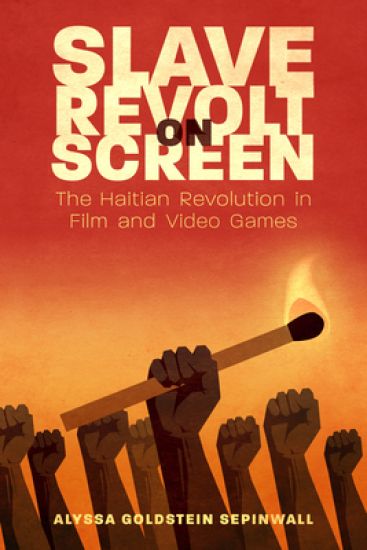
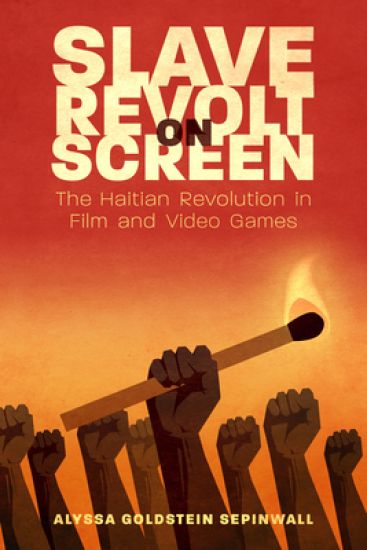
Slave Revolt on Screen

Slave Revolt on Screen

Alyssa Goldstein Sepinwall

University Press of Mississippi
2021
sidottu
In Slave Revolt on Screen: The Haitian Revolution in Film and Video Games author Alyssa Goldstein Sepinwall analyzes how films and video games from around the world have depicted slave revolt, focusing on the Haitian Revolution (1791-1804). This event, the first successful revolution by enslaved people in modern history, sent shock waves throughout the Atlantic World. Regardless of its historical significance however, this revolution has become less well-known-and appears less often on screen-than most other revolutions; its story, involving enslaved Africans liberating themselves through violence, does not match the suffering-slaves-waiting-for-a-white-hero genre that pervades Hollywood treatments of Black history. Despite Hollywood's near-silence on this event, some films on the Revolution do exist-from directors in Haiti, the US, France, and elsewhere. Slave Revolt on Screen offers the first-ever comprehensive analysis of Haitian Revolution cinema, including completed films and planned projects that were never made. In addition to studying cinema, this book also breaks ground in examining video games, a pop-culture form long neglected by historians. Sepinwall scrutinizes video game depictions of Haitian slave revolt that appear in games like the Assassin's Creed series that have reached millions more players than comparable films. In analyzing films and games on the revolution, Slave Revolt on Screen calls attention to the ways that economic legacies of slavery and colonialism warp pop-culture portrayals of the past and leave audiences with distorted understandings.
Slave Revolt on Screen

Slave Revolt on Screen

Alyssa Goldstein Sepinwall

University Press of Mississippi
2021
nidottu
In Slave Revolt on Screen: The Haitian Revolution in Film and Video Games author Alyssa Goldstein Sepinwall analyzes how films and video games from around the world have depicted slave revolt, focusing on the Haitian Revolution (1791-1804). This event, the first successful revolution by enslaved people in modern history, sent shock waves throughout the Atlantic World. Regardless of its historical significance however, this revolution has become less well-known-and appears less often on screen-than most other revolutions; its story, involving enslaved Africans liberating themselves through violence, does not match the suffering-slaves-waiting-for-a-white-hero genre that pervades Hollywood treatments of Black history. Despite Hollywood's near-silence on this event, some films on the Revolution do exist-from directors in Haiti, the US, France, and elsewhere. Slave Revolt on Screen offers the first-ever comprehensive analysis of Haitian Revolution cinema, including completed films and planned projects that were never made. In addition to studying cinema, this book also breaks ground in examining video games, a pop-culture form long neglected by historians. Sepinwall scrutinizes video game depictions of Haitian slave revolt that appear in games like the Assassin's Creed series that have reached millions more players than comparable films. In analyzing films and games on the revolution, Slave Revolt on Screen calls attention to the ways that economic legacies of slavery and colonialism warp pop-culture portrayals of the past and leave audiences with distorted understandings.