Kirjojen hintavertailu. Mukana 11 699 587 kirjaa ja 12 kauppaa.

Kirjahaku

Etsi kirjoja tekijän nimen, kirjan nimen tai ISBN:n perusteella.

13 kirjaa tekijältä Amitav Bhattacharya

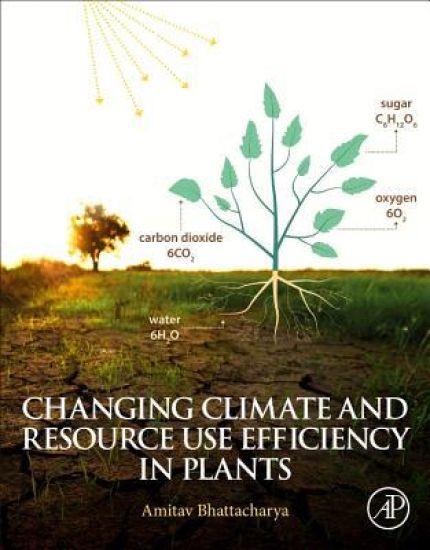
Changing Climate and Resource use Efficiency in Plants

Changing Climate and Resource use Efficiency in Plants

Amitav Bhattacharya

Academic Press Inc
2018
nidottu
Changing Climate and Resource Use Efficiency in Plants reviews the efficiencies for resource use by crop plants under different climatic conditions. This book focuses on the challenges and potential remediation methods for a variety of resource factors. Chapters deal with the effects of different climatic conditions on agriculture, radiation use efficiency under various climatic conditions, the efficiency of water and its impact on harvest production under restricted soil moisture conditions, nitrogen and phosphorus use efficiency, nitrogen use efficiency in different environmental conditions under the influence of climate change, and various aspects of improving phosphorus use efficiency. The book provides guidance for researchers engaged in plant science studies, particularly Plant/Crop Physiology, Agronomy, Plant Breeding and Molecular Breeding. In addition, it provides valuable insights for policymakers, administrators, plant-based companies and agribusiness companies.
Effect of High Temperature on Crop Productivity and Metabolism of Macro Molecules
Effect of High Temperature on Crop Productivity and Metabolism of Macro Molecules presents a comprehensive overview on the direct effect of temperatures defined as "high", a definition which increasingly includes a great number of geographic regions. As temperature impacts the number of base growth days, it is necessary to adapt plant selection, strategize planting times, and understand the expected impact of adaptive steps to ensure maximum plant health and crop yield. Global warming, climate change and change in environmental conditions have become common phrases in nearly every scientific seminar, symposium and meeting, thus these changes in climatic patterns constrain normal growth and reproduction cycles. This book reviews the effect of high temperature on agricultural crop production and the effect of high temperature stress on the metabolic aspects of macro molecules, including carbohydrates, proteins, fats, secondary metabolites, and plant growth hormones.
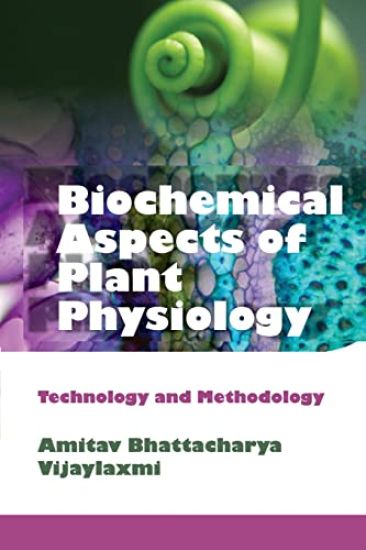
Biochemical Aspects of Plant Physiology

Biochemical Aspects of Plant Physiology

Amitav Bhattacharya

New India Publishing Agency
2015
nidottu
Biochemical methods are widely utilized in various branches of biological science, including agriculture. The biochemical aspect is a crucial part of plant physiology, and it is used to explain most of the physiological processes in plants and crops. Biochemical Aspects of Plant Physiology: Technology and Methodology is primarily intended for postgraduate students and researchers in universities and research institutes. Given its comprehensive coverage of both theoretical and practical aspects of the biochemical aspects of plant physiology, it is likely to be useful for any student enrolled in theoretical or practical plant physiology or biochemistry courses.This book is built on three foundational principles: first, it presents the theoretical principles and practical techniques with descriptions of various biochemical assays; second, it contains detailed experimental protocols to perform experiments, along with a collection and description of principles; and third, it provides practical knowledge regarding the techniques used to investigate the properties of macromolecules. Additionally, the book explains how to determine the charge of weak acids, bases, and macromolecules by considering their chemical environment and how to measure the macromolecular concentration of solutions by spectrophotometry.Furthermore, the book offers guidance on designing protocols for the purification of proteins from cell cultures or tissues. It is an excellent resource for conducting practical classes for undergraduate and postgraduate students in plant physiology, biochemistry, biotechnology, microbiology, agricultural science, environmental science, nutrition, pharmaceutical science, and other biology-related subjects. The books focus on the technologies and methods used in the biochemical basis of plant physiology, such as photosynthesis, photorespiration, plant pigments, carbon and nitrogen assimilation, plant nutrients, phenols, secondary metabolites, nucleic acids, and vitamins, will be of great use not only to postgraduate students but also to research workers.
Abiotic Stress and Plant Physiology, Volume 03

Abiotic Stress and Plant Physiology, Volume 03

Amitav Bhattacharya

New India Publishing Agency
2017
nidottu
This text is aimed at exploring all known aspects of abiotic stress and their impacts on various physiological processes in plants. The primary objective is to discuss the effects of abiotic stressors on the growth and productivity of major crop species, with a particular focus on the most significant abiotic stress factor that limits crop development worldwide, which is water availability. The book will examine how genetic advancements in yield potential are influenced by abiotic stressors, including drought and nitrogen deficiency, and the extent to which these gains can be achieved in various environments. Given the limitations on expanding the area under irrigation and the potential for land degradation associated with intensive agriculture, it is crucial to understand the effects of abiotic stressors on crop growth and productivity.
Abiotic Stress and Plant Physiology, Volume 02

Abiotic Stress and Plant Physiology, Volume 02

Amitav Bhattacharya

New India Publishing Agency
2017
nidottu
The present work delves into various aspects of plants metabolic activities under abiotic stress. This book provides insights into techniques that can enhance the yield potential and adaptability of plants to unfavorable environmental conditions. Moreover, the book explores how an understanding of the physiological mechanisms of plants under abiotic stress can contribute to comprehending the yield structure. The book is divided into five key sections: Abiotic Stress and Metabolic Responses in Plants, Abiotic Stress and Secondary Metabolites in Plants, Microbes: Support and Protect Plants against Abiotic Stresses, Abiotic Stress and Physiological Traits in Plants, and Abiotic Stress and Heat Shock Proteins (HSPs) in Plants.
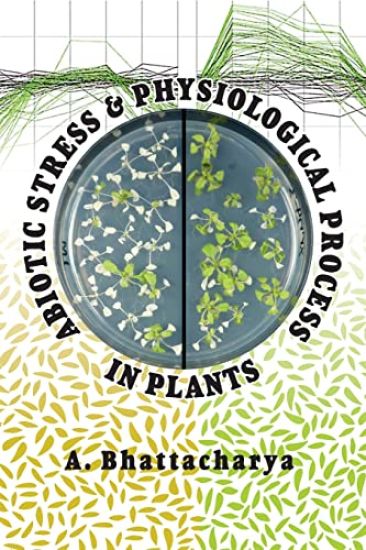
Abiotic Stress and Physiological Process in Plants

Abiotic Stress and Physiological Process in Plants

Amitav Bhattacharya

New India Publishing Agency
2016
nidottu
This book aims to provide a comprehensive overview of all known abiotic stresses and their impact on the various physiological processes in plants. The first chapter serves as an introduction, providing a general overview of abiotic stress and the effects of various factors on crops. The second chapter discusses the impact of abiotic stress on seed germination, seedling growth, and root development. The third chapter is a contributory chapter that focuses on the various aspects of biological nitrogen fixation under abiotic stress. The fourth chapter examines the growth, development, and phenology of crop plants under environmental stress conditions. The fifth chapter explores the effects of abiotic stress on photosynthesis. The sixth chapter discusses the role of mineral nutrition in overcoming abiotic stress and the importance of different nutrients in this process. The seventh chapter focuses on the use of transgenic approaches to enhance drought tolerance, and the eighth chapter examines the impact of abiotic stress on plant respiration processes. These review chapters emphasize the importance of understanding the physiological mechanisms of crops in order to improve crop yield. The study of crop physiology can assist cereal breeding by improving our understanding of the factors that determine crop yield and adaptation, defining particular secondary traits to select, indicating the kind of genetically modified organisms with potential for development and how to test them, and phenotyping associated with marker-assisted selection.
Biochemical Aspects of Plant Physiology

Biochemical Aspects of Plant Physiology

Amitav Bhattacharya

New India Publishing Agency
2015
sidottu
Biochemical methods are utilized in all areas of biological science, including agriculture. The biochemical aspect is an essential element of plant physiology, and it is employed to explain the majority of the physiological processes in plants and crops. Biochemical Aspects of Plant Physiology is primarily intended for graduate students and researchers at universities and research institutions. As it covers a broad range of topics on both the theoretical and practical aspects of the biochemical aspects of plant physiology, it is likely to be beneficial to any student enrolled in theoretical or practical plant physiology or biochemistry courses.This book is based on three key principles: 1) The theoretical foundations and practical applications, including descriptions of various biochemical assays, along with detailed experimental protocols to perform them. 2) Practical knowledge regarding the techniques and methods used to investigate the properties of macromolecules. 3) The ability to determine the charge of weak acids, bases, and macromolecules in light of their chemical environment.Additionally, the book covers how to measure the concentration of macromolecular solutions using spectrophotometry and how to design protocols for the purification of proteins from cell cultures or tissues. It is useful for conducting practical classes for undergraduate and graduate students in Plant Physiology, Biochemistry, Biotechnology, Microbiology, Agricultural Science, Environmental Science, Nutrition, Pharmaceutical Science, and other subjects related to biology.The book is particularly useful for postgraduate students and researchers who are interested in the biochemical basis of plant physiology, including topics such as photosynthesis, photorespiration, plant pigments, carbon and nitrogen assimilation, plant nutrients, phenols, secondary metabolites, nucleic acids, and vitamins.
Abiotic Stress and Physiological Process in Plants

Abiotic Stress and Physiological Process in Plants

Amitav Bhattacharya

New India Publishing Agency
2016
sidottu
This book aims to provide an in-depth examination of all known abiotic stresses and their impact on the various physiological processes in plants. The first chapter serves as an introduction to abiotic stress and its overall effects on crops, while the second chapter delves into the effects of stress on seed germination, seedling growth, and root development. The third chapter focuses on biological nitrogen fixation under abiotic stress, while the fourth chapter examines the growth, development, and phenology of crop plants under environmental stress. The fifth chapter explores the effects of abiotic stress on photosynthesis, and the sixth chapter discusses mineral nutrition and the role of different nutrients in overcoming abiotic stress. The seventh chapter focuses on transgenic approaches to enhance drought tolerance, while the eighth chapter examines the effects of abiotic stress on plant respiration. These review chapters highlight the importance of understanding the physiological mechanisms of crops in improving crop yield. The study of crop physiology can assist cereal breeding by improving our understanding of the factors that determine crop yield and adaptation, defining secondary traits to select, indicating the kind of genetically modified organisms with potential for development and how to test them, and phenotyping associated with marker-assisted selection.
Abiotic Stress and Plant Physiology, Volume 01

Abiotic Stress and Plant Physiology, Volume 01

Amitav Bhattacharya

New India Publishing Agency
2017
sidottu
This volume delves into various aspects of the metabolic activities of plants under abiotic stress. Specifically, it examines techniques for enhancing yield potential and improving adaptiveness to adverse environmental conditions. Furthermore, the book explores how an understanding of the changes in physiological mechanisms can contribute to the comprehension of the yield structure under abiotic stress.
Abiotic Stress and Plant Physiology, Volume 02

Abiotic Stress and Plant Physiology, Volume 02

Amitav Bhattacharya

New India Publishing Agency
2017
sidottu
Abiotic stress factors, such as limited water availability, frequently restrict the growth and productivity of significant crop species. The most significant abiotic stress factor limiting crop growth globally is the scarcity of water. Although genetic improvements in yield potential are most evident in optimal environments, they also lead to increased yields under drought and nitrogen deficiency. These gains are particularly relevant considering that further extensive expansion of irrigated land is not anticipated, and land degradation resulting from intensive agriculture poses a threat to already irrigated areas.This book aims to encompass all known abiotic stress factors and their respective consequences on various aspects of plant physiological processes.
Soil Water Deficit and Physiological Issues in Plants

Soil Water Deficit and Physiological Issues in Plants

Amitav Bhattacharya

Springer Verlag, Singapore
2021
sidottu
This book explores the impact of soil water deficiency on various aspects of physiological processes in plants. The book explains the effects under soil water deficit condition such as lowering of plant water content, disturbance in carbon metabolism such in photosynthesis, photorespiration and respiration as well as effects of soil water deficit on nitrogen metabolism. The book also educates the readers about, mineral nutrition under soil water deficit condition and roles of different nutrient to overcome water deficit. Changes in growth and development pattern of plant under soil water deficit condition and effects on growth and development are elaborated. This book is of interest to teachers, researchers, scientists in botany and agriculture. Also the book serves as additional reading material for undergraduate and graduate students of agriculture, forestry, ecology, soil science, and environmental sciences. National and international agricultural scientists, policy makers willalso find this to be a useful read.The in depth description of the major physiological issues in plants under soil water deficit that are presented in this book will help breeders tailoring crops for desirable physiological survival traits in the face of increasing soil water deficit. This book is an impactful addition to the library of any faculty members, researchers, agricultural policy planner, post graduate or student studying in plant physiology, biochemistry, microbiology and other subjects related to crop husbandry.
Soil Water Deficit and Physiological Issues in Plants

Soil Water Deficit and Physiological Issues in Plants

Amitav Bhattacharya

SPRINGER VERLAG, SINGAPORE
2022
nidottu
This book explores the impact of soil water deficiency on various aspects of physiological processes in plants. The book explains the effects under soil water deficit condition such as lowering of plant water content, disturbance in carbon metabolism such in photosynthesis, photorespiration and respiration as well as effects of soil water deficit on nitrogen metabolism. The book also educates the readers about, mineral nutrition under soil water deficit condition and roles of different nutrient to overcome water deficit. Changes in growth and development pattern of plant under soil water deficit condition and effects on growth and development are elaborated. This book is of interest to teachers, researchers, scientists in botany and agriculture. Also the book serves as additional reading material for undergraduate and graduate students of agriculture, forestry, ecology, soil science, and environmental sciences. National and international agricultural scientists, policy makers willalso find this to be a useful read.The in depth description of the major physiological issues in plants under soil water deficit that are presented in this book will help breeders tailoring crops for desirable physiological survival traits in the face of increasing soil water deficit. This book is an impactful addition to the library of any faculty members, researchers, agricultural policy planner, post graduate or student studying in plant physiology, biochemistry, microbiology and other subjects related to crop husbandry.
Soil Salinity Effects on Production Physiology in Plants

Soil Salinity Effects on Production Physiology in Plants

Amitav Bhattacharya

SPRINGER VERLAG, SINGAPORE
2024
sidottu
This book deals with the impact of soil salinity on different physiological aspects under production physiology. This book provides in-depth understanding of the major physiological issues faced by plants under soil salinity stress. This book would help plant breeders to tailor different crop plants with desirable physiological traits to do better under salinity stress. This book would also be helpful to the faculty members, students and research workers engaged in Plant Physiology, Agronomy, Microbiology, Horticulture in understanding the basic issues in plants under salinity stress. In different chapters of the book, attention has been paid to the problems of different crops such as cereals, oil seeds, grain legumes, vegetable crops and other important economic crops. This book also deals with the measures taken to mitigate the effects of soil salinity stress and how to get good yield.