
Kirjahaku
Etsi kirjoja tekijän nimen, kirjan nimen tai ISBN:n perusteella.
13 kirjaa tekijältä Amy S. Hansen
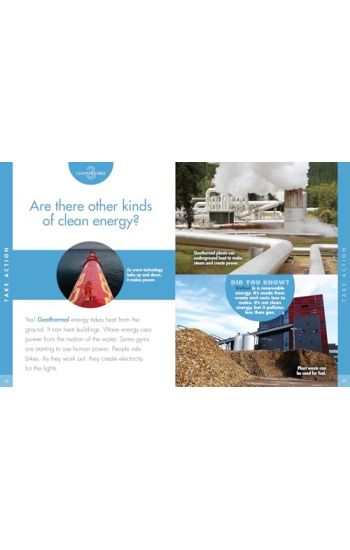
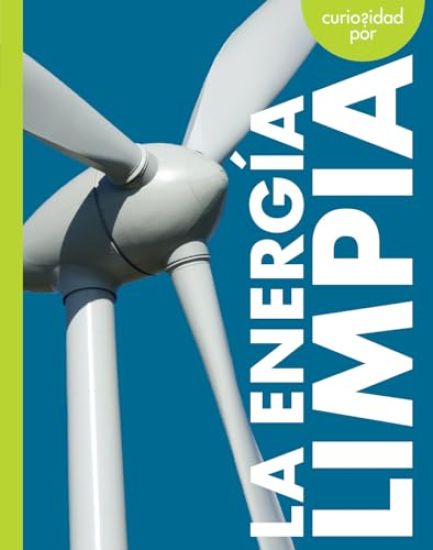
Why do we need to save the earth? Does recycling really help? Does compost smell bad? Translated into North American Spanish, this series answers kids' questions about the environment. The question-and-answer format helps build inquiry skills. A "Stay Curious " feature encourages further learning and builds critical thinking skills. What is clean energy and where does it come from? Ignite kids' growing curiosity about the environment with an inquiry-based approach to renewable energy. Many machines burn fossil fuels for power, which pollutes our air and leads to climate change. What if we used solar, wind, or hydropower instead? Conversational questions and answers guide early elementary readers on a critical thinking journey with accessible text about the different kinds of clean energy, how they are being used today, and how they could be used in the future. Colorful and engaging infographics help visual learners understand new concepts. A "Stay Curious " feature encourages kids to keep asking questions while doubling as a mini media literacy lesson on research skills. Includes table of contents, glossary, and index.
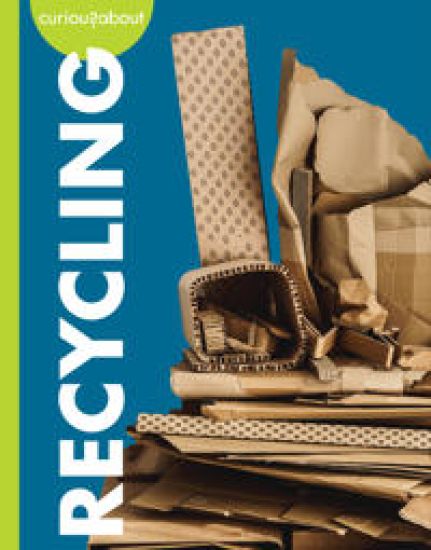
Why do we need to save the earth? Does recycling really help? Does compost smell bad? Translated into North American Spanish, this series answers kids' questions about the environment. The question-and-answer format helps build inquiry skills. A "Stay Curious " feature encourages further learning and builds critical thinking skills. What should be recycled and where do the items go? And why is recycling so important? Ignite kids' growing curiosity about the environment with an inquiry-based approach to reducing waste. Aluminum, steel, glass, paper, cardboard, plus some plastics--it all can be recycled Recycling saves these materials from the landfill. Instead of throwing them away, we can reuse them over and over, saving water and valuable resources. Conversational questions and answers guide early elementary readers on a critical thinking journey with accessible text about the recycling process, why recycling plastics can be difficult, and how communities are encouraging more people to recycle. Colorful and engaging infographics help visual learners understand new concepts. A "Stay Curious " feature encourages kids to keep asking questions while doubling as a mini media literacy lesson on research skills. Includes table of contents, glossary, and index.
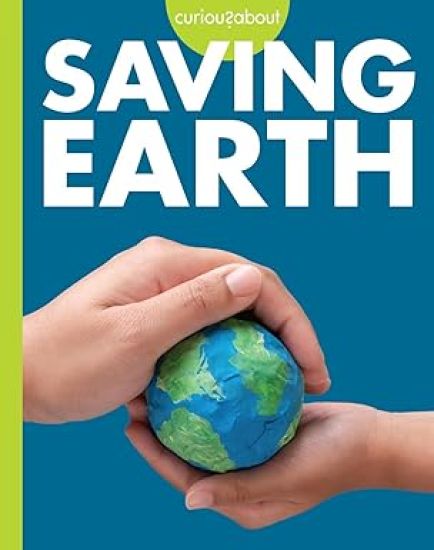
Why do we need to save the earth? Does recycling really help? Does compost smell bad? Translated into North American Spanish, this series answers kids' questions about the environment. The question-and-answer format helps build inquiry skills. A "Stay Curious " feature encourages further learning and builds critical thinking skills. What can we do to save the Earth? Ignite kids' growing curiosity about the environment with an inquiry-based approach to saving the planet. Our planet is in trouble. In this book, kids learn about some of Earth's biggest problems--a warming climate, shrinking wilderness, and plastic pollution. What can be done to help? Conversational questions and answers guide early elementary readers on a critical thinking journey with accessible text about the effects of climate change, how plastics harm the environment, and how preserving wild spaces can protect animal biodiversity. Colorful and engaging infographics help visual learners understand new concepts. A "Stay Curious " feature encourages kids to keep asking questions while doubling as a mini media literacy lesson on research skills. Includes table of contents, glossary, and index.
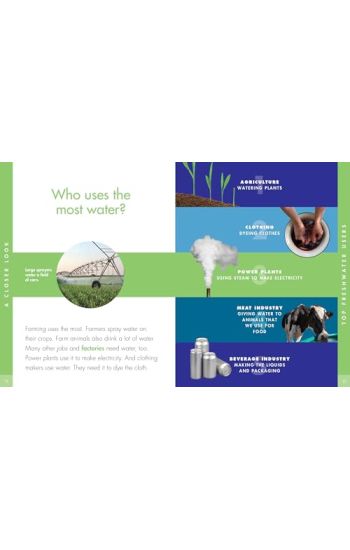
Why do we need to save the earth? Does recycling really help? Does compost smell bad? Translated into North American Spanish, this series answers kids' questions about the environment. The question-and-answer format helps build inquiry skills. A "Stay Curious " feature encourages further learning and builds critical thinking skills. Why is saving water important? And who uses the most water? Ignite kids' growing curiosity about the environment with an inquiry-based approach to water conservation. We use water every day. We drink it, use it to cook, do laundry, and bathe. Farmers and factories use it, too. But our amount of freshwater is limited and is becoming polluted. What can people do to help? Conversational questions and answers guide early elementary readers on a critical thinking journey with accessible text about the water cycle, how water is cleaned to be used, and how kids can save water at home. Colorful and engaging infographics help visual learners understand new concepts. A "Stay Curious " feature encourages kids to keep asking questions while doubling as a mini media literacy lesson on research skills. Includes table of contents, glossary, and index.
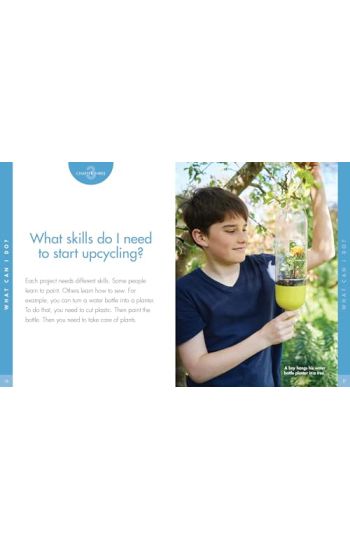
Why do we need to save the earth? Does recycling really help? Does compost smell bad? Translated into North American Spanish, this series answers kids' questions about the environment. The question-and-answer format helps build inquiry skills. A "Stay Curious " feature encourages further learning and builds critical thinking skills. What is upcycling and how can it help save the Earth? Ignite kids' growing curiosity about the environment with an inquiry-based approach to reducing waste. Create a dog toy out of a t-shirt. Plant a flower in a water bottle. Make old things new with upcycling It helps save everyday items that can't be recycled. Conversational questions and answers guide early elementary readers on a critical thinking journey with accessible text about finding materials to upcycle, the skills people learn while upcycling, ideas on where to begin, and what some people do with their new creations. Colorful and engaging infographics help visual learners understand new concepts. A "Stay Curious " feature encourages kids to keep asking questions while doubling as a mini media literacy lesson on research skills. Includes table of contents, glossary, and index.
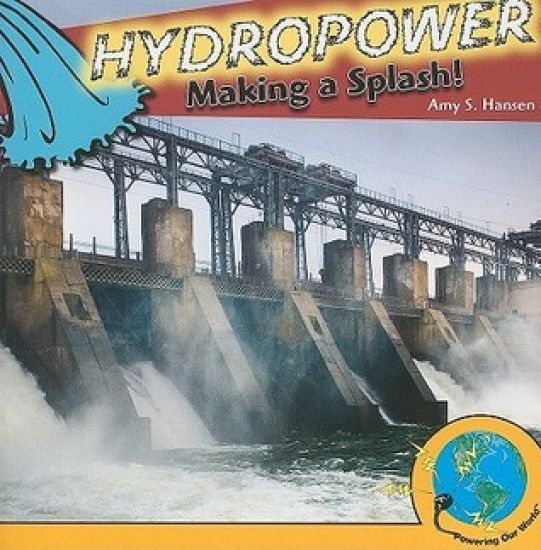
Eco-conscious readers will be thrilled to know that one of the most powerful, renewable sources of energy has nothing to do with burning fuel or releasing of pollutants, and has a very minimal production of green house gases. Students will see how we've harnessed the power of nature and water to create hydropower.
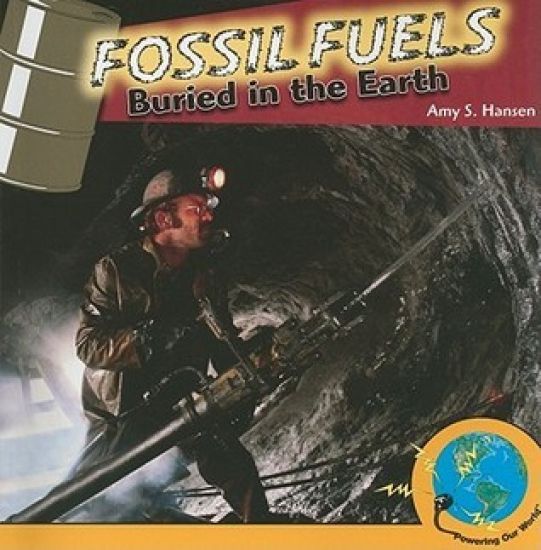
Burning fossil fuels, such as coal, oil, and natural gas, generates most of the power that we use today. This book explains how these fuels formed and why we must approach our use and production carefully as this is a finite source.
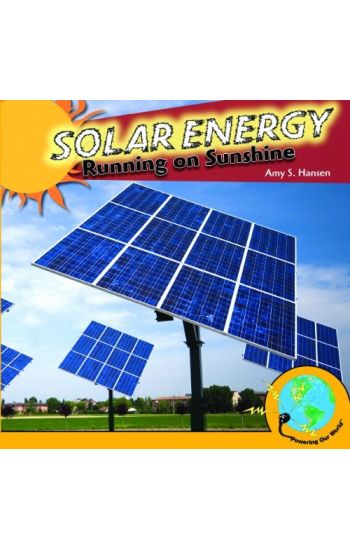
In this book, young readers will learn about passive solar power, photoelectric conversion, and how often they encounter solar energy use in their everyday lives--oftentimes, without even knowing it. Students will see the sun in a whole new light.


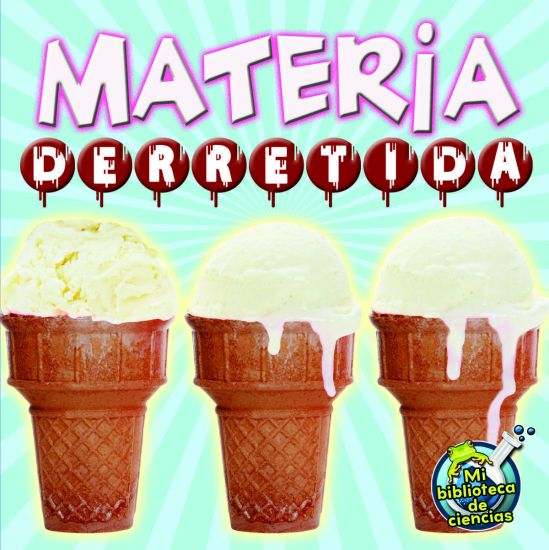
Intermediate Readers Investigate What Happens When Objects Experience Different Conditions (I.e.. Hot/Cold, Wet/Dry).