Kirjojen hintavertailu. Mukana 11 627 373 kirjaa ja 12 kauppaa.

Kirjahaku

Etsi kirjoja tekijän nimen, kirjan nimen tai ISBN:n perusteella.

5 kirjaa tekijältä Andrew Asibong

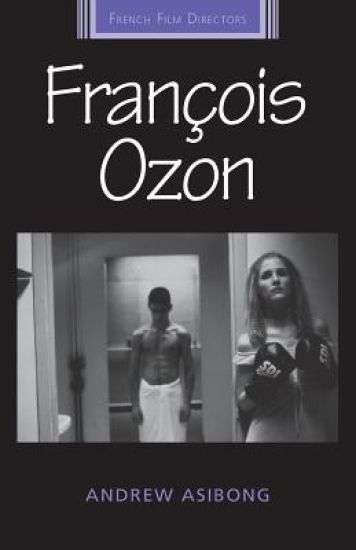
FrançOis Ozon

FrançOis Ozon

Andrew Asibong

Manchester University Press
2008
sidottu
This is the first full-length study of the films of François Ozon, director of such diverse films as 8 femmes, Swimming Pool, 5x2 and Les amants criminels. Andrew Asibong’s passionate and critical analysis focuses on the extent to which Ozon’s seemingly light touch never ceases to engage with the fundamentally weighty issue of existential transformation, a transformation that affects both his protagonists and his audiences.A central question emerges: what is at stake, cinematically, ethically and politically, in Ozon’s alternatively utopian and cynical flirtation with the construction and deconstruction of contemporary social relations.Revealing Ozon as a highly adept ‘fan’ of a whole range of thought, literature and cinema, Asibong places the precocious French auteur in an intellectual yet highly accessible critical framework, allowing Ozon’s importance for a thoroughly postmodern filmgoing generation to be given the attention it deserves.
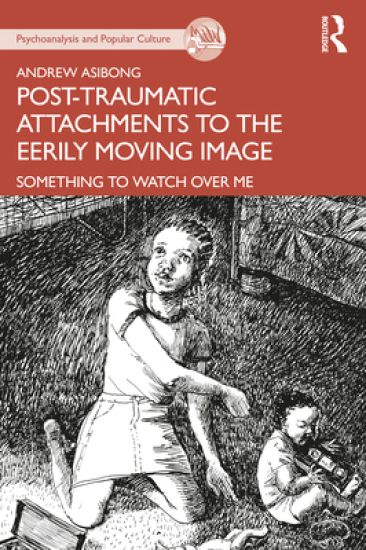
Post-traumatic Attachments to the Eerily Moving Image
This book explores how traumatic experiences of impingement and neglect – in childhood and adulthood, and at both the family and the state level – may create a desire in us to be parented by certain kinds of screen media that we unconsciously believe are “watching over” us when nothing else seems to be.Andrew Asibong explores how viewers make psychical use of eerily moving images, observed in film and television and later taken into an already traumatised mind, in order to facilitate some form of reparation for a stolen experience of caregiving. It explores the possibility of a media-based “working through” of both the general traumas of early environmental failure and the particular traumas of viewers racialised as Black, eventually asking how politicised film groups in the age of Black Lives Matter might heal from a troubled past and prepare for an uncertain future through the spontaneous discussion – in the here and now – of enlivening images of potentially deadly vulnerability.Post-traumatic Attachments to the Eerily Moving Image: Something to Watch Over Me will be of great interest to academics and students of film, media and television studies, trauma studies and psychoanalysis, culture, race and ethnicity.
Post-traumatic Attachments to the Eerily Moving Image
This book explores how traumatic experiences of impingement and neglect – in childhood and adulthood, and at both the family and the state level – may create a desire in us to be parented by certain kinds of screen media that we unconsciously believe are “watching over” us when nothing else seems to be.Andrew Asibong explores how viewers make psychical use of eerily moving images, observed in film and television and later taken into an already traumatised mind, in order to facilitate some form of reparation for a stolen experience of caregiving. It explores the possibility of a media-based “working through” of both the general traumas of early environmental failure and the particular traumas of viewers racialised as Black, eventually asking how politicised film groups in the age of Black Lives Matter might heal from a troubled past and prepare for an uncertain future through the spontaneous discussion – in the here and now – of enlivening images of potentially deadly vulnerability.Post-traumatic Attachments to the Eerily Moving Image: Something to Watch Over Me will be of great interest to academics and students of film, media and television studies, trauma studies and psychoanalysis, culture, race and ethnicity.
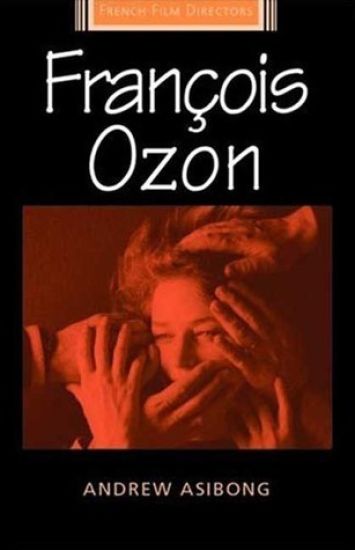
FrançOis Ozon

FrançOis Ozon

Andrew Asibong

Manchester University Press
2016
nidottu
Available in paperback for the first time, this is a full-length study of the films of François Ozon, director of such diverse films as 8 femmes, Swimming Pool, 5x2 and Les amants criminels. Andrew Asibong’s passionate and critical analysis focuses on the extent to which Ozon’s seemingly light touch never ceases to engage with the fundamentally weighty issue of existential transformation, a transformation that affects both his protagonists and his audiences.A central question emerges: what is at stake, cinematically, ethically and politically, in Ozon’s alternatively utopian and cynical flirtation with the construction and deconstruction of contemporary social relations.Revealing Ozon as a highly adept ‘fan’ of a whole range of thought, literature and cinema, Asibong places the precocious French auteur in an intellectual yet highly accessible critical framework, allowing Ozon’s importance for a thoroughly postmodern filmgoing generation to be given the attention it deserves.
Marie NDiaye

Marie NDiaye

Andrew Asibong

Liverpool University Press
2013
sidottu
An Open Access edition of this book is available on the Liverpool University Press website and the OAPEN library.This is the first critical study in English to focus exclusively on the work of Marie NDiaye, born in central France in 1967, winner of the Prix Femina (2001), the Prix Goncourt (2009), shortlisted for the Man Booker International Prize (2013), and widely considered to be one of the most important French authors of her generation. Andrew Asibong argues that at the heart of NDiaye’s world lurks an indefinable ‘blankness’ which makes it impossible for the reader to decode narrative at the level of psychology or event. NDiaye’s texts explore social stigmata and familial disintegration with a violence unmatched by any of her contemporaries, but in doing so they remain as strangely affectless and ‘unrecognizable’ as their dissociated protagonists. Considering each of NDiaye’s works in chronological order (including her novels, theatre, short fiction and writing for children), Asibong assesses the aesthetic, emotional and political stakes of NDiaye’s portraits of impenetrable selfhood. His book provides an original and provocative framework within which to read NDiaye as a simultaneously hybrid and hyper-French cultural figure, fascinating and fantastical practitioner of the postmodern – and reluctantly postcolonial – ‘blank arts’.