Kirjojen hintavertailu. Mukana 11 699 587 kirjaa ja 12 kauppaa.

Kirjahaku

Etsi kirjoja tekijän nimen, kirjan nimen tai ISBN:n perusteella.

3 kirjaa tekijältä Andrew M. Mbuvi

Temple, Exile and Identity in 1 Peter

Temple, Exile and Identity in 1 Peter

Andrew M. Mbuvi

T. T.Clark Ltd
2007
sidottu
"Temple, Exile and Identity in 1 Peter" will generate a fresh and perhaps even a new understanding of the main themes of "1 Peter", which include questions of identity, suffering, hope, holiness, and judgment. Mbuvi explores the temple imagery in the epistle of "1 Peter" and focuses on the use of cultic language in constituting the new identity of the Petrine community. He contends that temple imagery in "1 Peter" undergirds the entire epistle. "1 Peter" directly connects the community's identity with the temple by describing it in terms reminiscent of the temple structure. He calls the members of the community "living stones", formulating an image that has been categorized as a "Temple-Community." This concern with the temple characterizes the restoration eschatology in the Second Temple period with its focus on the establishment of the eschatological temple. Restoration of Israel was also to be characterized by hope for the re-gathering of the scattered of Israel, the conversion or destruction of the Gentiles, and the establishment of God's universal reign, all of which are reflected in the discourse of the epistle.
African Biblical Studies

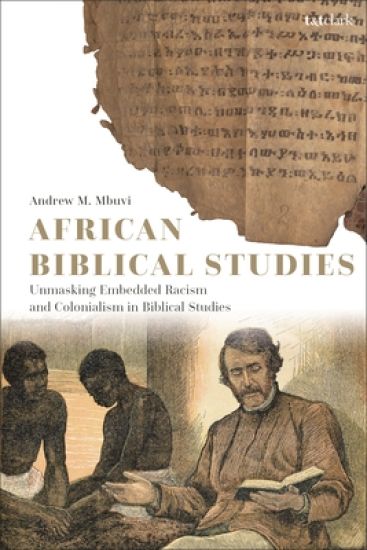
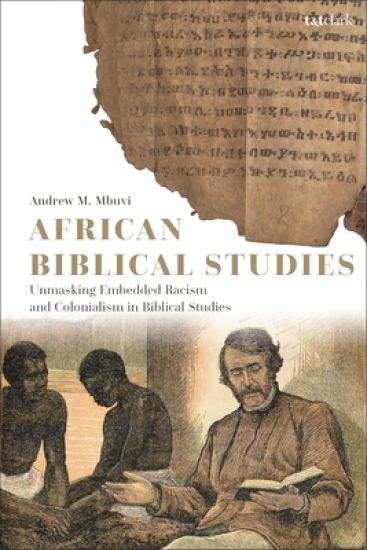
African Biblical Studies

Andrew M. Mbuvi

BLOOMSBURY PUBLISHING PLC
2022
sidottu
Andrew M. Mbuvi makes the case for African biblical studies as a vibrant and important emerging distinct discipline, while also using its postcolonial optic to critique biblical studies for its continued underlying racially and imperialistically motivated tendencies. Mbuvi argues that the emergence of biblical studies as a discipline in the West coincides with, and benefits from, the establishment of the colonial project that included African colonization. At the heart of the colonial project was the Bible, not only as ferried by missionaries, who often espoused racialized views, to convert “heathens in the distant lands,” but as the text used in the racialized justification of the colonial violence. Interpretive approaches established within these racist and colonialist matrices continue to dominate the discipline, perpetuating racialized interpretive methodology and frameworks.On these grounds, Mbuvi makes the case that the continued marginalization of non-western approaches is a reflection of the continuing colonialist structure and presuppositions in the discipline of biblical studies. African Biblical Studies not only exposes and critiques these persistent oppressive and subjugating tendencies but showcases how African postcolonial methodologies and studies, that prioritize readings from the perspective of the marginalized and oppressed, offer an alternative framework for the discipline. These readings, while destabilizing and undermining the predominantly white Euro-American approaches and their ingrained prejudices, and problematizing the biblical text itself, posit the need for biblical interpretation that is anti-colonial and anti-racist.
African Biblical Studies

African Biblical Studies

Andrew M. Mbuvi

BLOOMSBURY PUBLISHING PLC
2024
nidottu
Andrew M. Mbuvi makes the case for African biblical studies as a vibrant and important emerging distinct discipline, while also using its postcolonial optic to critique biblical studies for its continued underlying racially and imperialistically motivated tendencies. Mbuvi argues that the emergence of biblical studies as a discipline in the West coincides with, and benefits from, the establishment of the colonial project that included African colonization. At the heart of the colonial project was the Bible, not only as ferried by missionaries, who often espoused racialized views, to convert “heathens in the distant lands,” but as the text used in the racialized justification of the colonial violence. Interpretive approaches established within these racist and colonialist matrices continue to dominate the discipline, perpetuating racialized interpretive methodology and frameworks.On these grounds, Mbuvi makes the case that the continued marginalization of non-western approaches is a reflection of the continuing colonialist structure and presuppositions in the discipline of biblical studies. African Biblical Studies not only exposes and critiques these persistent oppressive and subjugating tendencies but showcases how African postcolonial methodologies and studies, that prioritize readings from the perspective of the marginalized and oppressed, offer an alternative framework for the discipline. These readings, while destabilizing and undermining the predominantly white Euro-American approaches and their ingrained prejudices, and problematizing the biblical text itself, posit the need for biblical interpretation that is anti-colonial and anti-racist.