Kirjojen hintavertailu. Mukana 11 342 296 kirjaa ja 12 kauppaa.

Kirjahaku

Etsi kirjoja tekijän nimen, kirjan nimen tai ISBN:n perusteella.

27 kirjaa tekijältä Andrew Wright

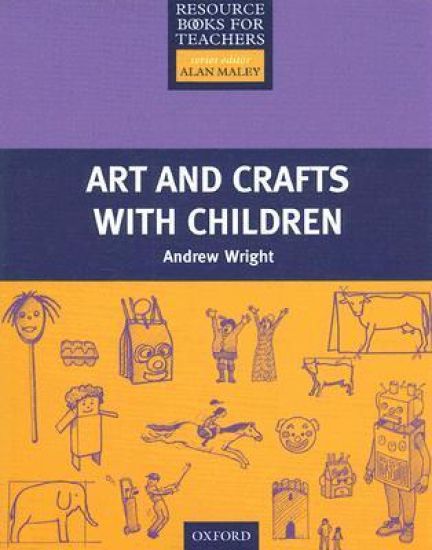
Art and Crafts with Children

Art and Crafts with Children

Andrew Wright

Oxford University Press
2001
nidottu
This popular series addresses the needs of primary teachers, teacher trainers, and trainee teachers. Each book contains guidance for the teacher, 60 to 100 activities for primary children, and 20 photocopiable worksheets. The activities are explained clearly and simply, with aims, age range and level clearly laid out. Art and Craft with Children Provides a wealth of creative activities with integrated language practice, which require minimal resources and do not need special artistic expertise on the part of the teacher. Key Features Art, craft, and design activities offer children an excellent way to learn language while developing creative skills and an awareness of the world around them. This book provides a wealth of creative, imaginative activities with integrated language practice. The activities can be done with the minimum of resources, and do not need special artistic expertise on the part of the teacher. The companion website (Resource Books for Teachers) provides regular updates to the information and ideas in the book.
Storytelling With Children

Storytelling With Children

Andrew Wright

Oxford University Press
2009
nidottu
A fully-revised edition of a popular Resource Book, with many new ideas and stories. Stories are an ideal way of motivating children, improving listening skills, and teaching vocabulary and structures. Stories develop awareness of the sound and feel of English, and an understanding of language in context.
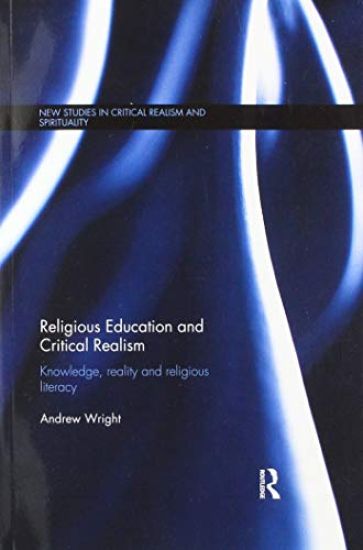
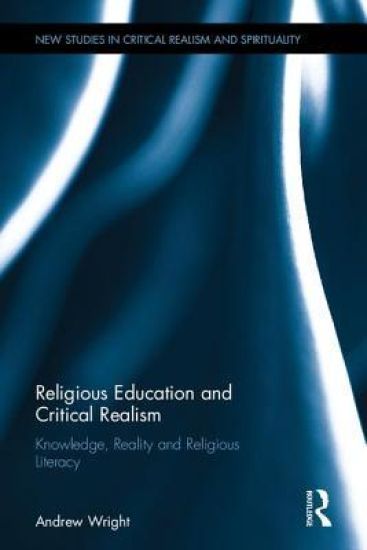
Religious Education and Critical Realism
Religious Education and Critical Realism: Knowledge, Reality and Religious Literacy seeks to bring the enterprise of religious education in schools, colleges and universities into conversation with the philosophy of Critical Realism. This book addresses the problem, not of the substance of our primal beliefs about the ultimate nature of reality and our place in the ultimate order-of-things, but of the process through which we might attend to questions of substance in more attentive, reasonable, responsible and intelligent ways. This book unpacks the impact of modern and post-modern thought on key topics whilst also generating a new critically realistic vision. Offering an account of the relationship between Religious Education and Critical Realism, this book is essential reading for students, scholars and practitioners interested in philosophy, theology and education.
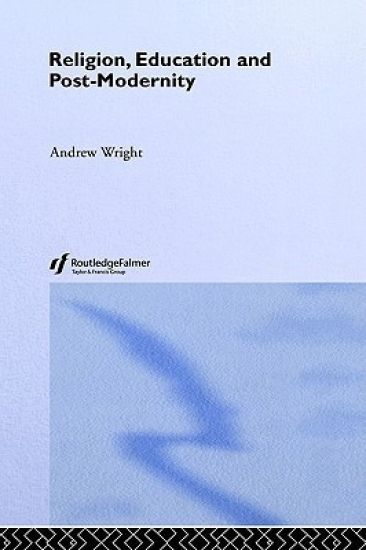
Religion, Education and Post-Modernity
This book, the first to explore religious education and post-modernity in depth, sets out to provide a much needed examination of the problems and possibilities post-modernity raises for religious education.At once a general introduction to this topic and a distinctive contribution to the debate in its own right, Religion, Education and Post-modernity explores and illuminates the problems, and possibilities opened up for religious education by postmodern thought and culture. The book describes the emergence of post-modernity, considers the impact of post-modernity on religion, addresses its impact on the philosophy of religion and considers the nature of religious education in the post-modern world.Andrew Wright argues that, although post-modernity has much to offer the religious educator, there are also many pitfalls and dangers to be avoided. Steering clear of the extreme of post-modern hyper-realism, he constructs a religious pedagogy sensitive to post-modern concerns for alterity, difference and the voice of the Other, whilst insisting on the importance of reasons in cultivating religious literacy.
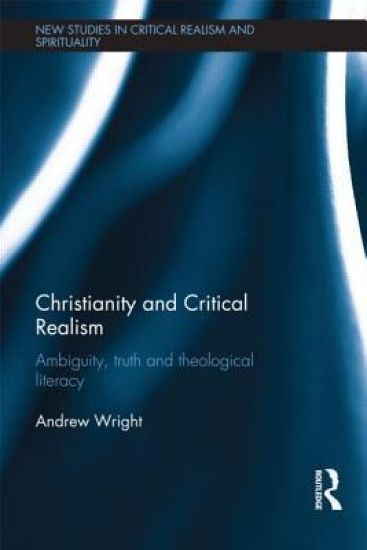
Christianity and Critical Realism

Christianity and Critical Realism

Andrew Wright

Routledge
2012
sidottu
One of the key achievements of critical realism has been to expose the modernist myth of universal reason, which holds that authentic knowledge claims must be objectively ‘pure’, uncontaminated by the subjectivity of local place, specific time and particular culture. Wright aims to address the lack of any substantial and sustained engagement between critical realism and theological critical realism with particular regard to: (a) the distinctive ontological claims of Christianity; (b) their epistemic warrant and intellectual legitimacy; and (c) scrutiny of the primary source of the ontological claims of Christianity, namely the historical figure of Jesus of Nazareth. As such, it functions as a prolegomena to a much needed wider debate, guided by the under-labouring services of critical realism, between Christianity and various other religious and secular worldviews. This important new text will help stimulate a debate that has yet to get out of first gear.This book will appeal to academics, graduate and post-graduate students especially, but also Christian clergy, ministers and informed laity, and members of the general public concerned with the nature of religion and its place in contemporary society.
Religious Education and Critical Realism
Religious Education and Critical Realism: Knowledge, Reality and Religious Literacy seeks to bring the enterprise of religious education in schools, colleges and universities into conversation with the philosophy of Critical Realism. This book addresses the problem, not of the substance of our primal beliefs about the ultimate nature of reality and our place in the ultimate order-of-things, but of the process through which we might attend to questions of substance in more attentive, reasonable, responsible and intelligent ways. This book unpacks the impact of modern and post-modern thought on key topics whilst also generating a new critically realistic vision. Offering an account of the relationship between Religious Education and Critical Realism, this book is essential reading for students, scholars and practitioners interested in philosophy, theology and education.
Henry Fielding

Henry Fielding

Andrew Wright

University of California Press
2020
pokkari
This title is part of UC Press's Voices Revived program, which commemorates University of California Press’s mission to seek out and cultivate the brightest minds and give them voice, reach, and impact. Drawing on a backlist dating to 1893, Voices Revived makes high-quality, peer-reviewed scholarship accessible once again using print-on-demand technology. This title was originally published in 1965.
Henry Fielding

Henry Fielding

Andrew Wright

University of California Press
2021
sidottu
This title is part of UC Press's Voices Revived program, which commemorates University of California Press’s mission to seek out and cultivate the brightest minds and give them voice, reach, and impact. Drawing on a backlist dating to 1893, Voices Revived makes high-quality, peer-reviewed scholarship accessible once again using print-on-demand technology. This title was originally published in 1965.
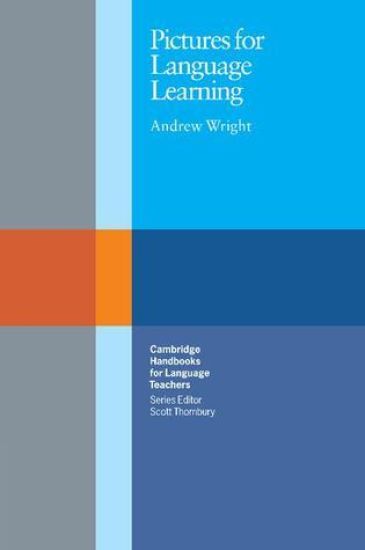
Pictures for Language Learning

Pictures for Language Learning

Andrew Wright

Cambridge University Press
1989
pokkari
This richly illustrated book provides a valuable guide to the role of pictures and other visual materials in language teaching. It brings together a wealth of ideas on how to use pictures in a wide range of language learning situations. The first section discusses the contribution visuals can make to all the classroom settings in providing real opportunities for students to communicate, whether they are working as a class, in groups or in pairs. Sections B and C contain over 200 practical suggestions for picture-generated language work. These make use of visual materials which are readily available to teachers anywhere or illustrations which have been kept simple so that they can be copied easily. The activities can be integrated into all stages of the language teaching process and advice is given on how to adapt the ideas to suit different teaching environments. The final section describes the process of setting up a picture library and offers guidance on where to begin looking for visuals, how to categorise pictures and different methods of storage.
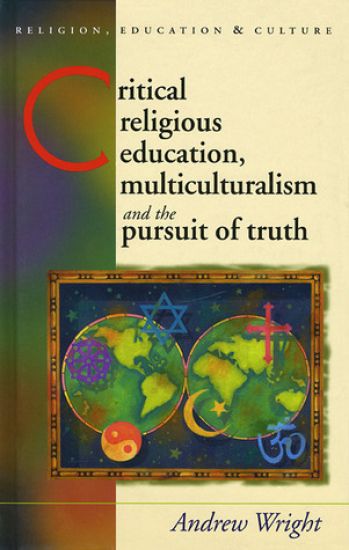
Critical Religious Education, Multiculturalism and the Pursuit of Truth
This book is unique in its focus and coverage, because no titles have been published on the subject in recent years, despite the increased interest in questions of religious truth as witnessed by the increasing number of articles in relevant journals. It analyzes liberal religious education in multi-cultural societies and suggests ways in which religious education can help young people learn to take responsibility for their beliefs and life-styles in an informed, intelligent and responsible manner. Traditional religious education in Europe and America and its transmission of Christian beliefs has been transformed by the emergence of multi-cultural societies into a process whereby children were informed about different religious traditions. The primary task of this new liberal religious education was often seen to be the moral one of nurturing the twin liberal principles of freedom and tolerance. Critics of liberal religious education argue that this ignores questions of ultimate truth that are at the core of religious belief: this book seeks to reconcile the often contradictory accounts offered by different religions and secular traditions.
Spirituality and Education

Spirituality and Education

Andrew Wright

Routledge Falmer
2000
nidottu
Spirituality and Education introduces the basic contours of current debate in a form accessible to both classroom teachers across the curriculum range, and to school managers. It covers all key areas, including:* problems of defining spirituality* government legislation and supporting documentation * relevant empirical research* the social dimension of spirituality* secular and religious manifestations of spirituality in contemporary society* theories of childhood spiritual development* contemporary approaches to spiritual education, including collective worship and cross-curricular teaching. A variety of different perspectives and approaches will be offered, and readers are encouraged to be reflective through a number of tasks which relate all issues raised directly back to their own specific circumstances. The author includes questions, quotes and lists of further reading.
Spirituality and Education

Spirituality and Education

Andrew Wright

Routledge Falmer
2000
sidottu
Spirituality and Education introduces the basic contours of current debate in a form accessible to both classroom teachers across the curriculum range, and to school managers. It covers all key areas, including:* problems of defining spirituality* government legislation and supporting documentation * relevant empirical research* the social dimension of spirituality* secular and religious manifestations of spirituality in contemporary society* theories of childhood spiritual development* contemporary approaches to spiritual education, including collective worship and cross-curricular teaching. A variety of different perspectives and approaches will be offered, and readers are encouraged to be reflective through a number of tasks which relate all issues raised directly back to their own specific circumstances. The author includes questions, quotes and lists of further reading.
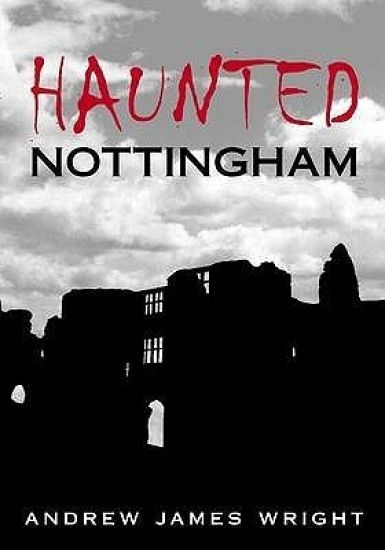
Haunted Nottingham

Haunted Nottingham

Andrew Wright

The History Press Ltd
2006
nidottu
Haunted Nottingham explores the supernatural side of the city and its surrounding areas and finds many reports of unexplained happenings, weird goings-on and ghostly appearances.
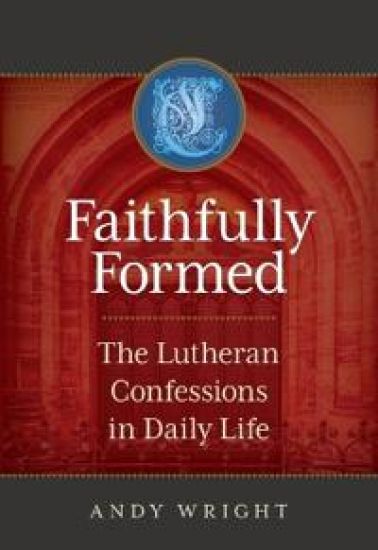
Faithfully Formed

Faithfully Formed

Andrew Wright

Concordia Publishing House
2024
pokkari
The Lutheran Confessions play a vital role in the church-both centuries ago, and today. But, do they apply to the daily life of a layperson? Pastor Andy Wright offers a resounding "yes" in his book, Faithfully Formed. He quotes, summarizes, and synthesizes key teachings from the Confessions, revealing their relevance in the daily lives of ordinary people. Including discussion questions for individual introspection or group discourse, this book is sure to offer a deeper relationship with, and appreciation of, these documents that helped establish our doctrine.
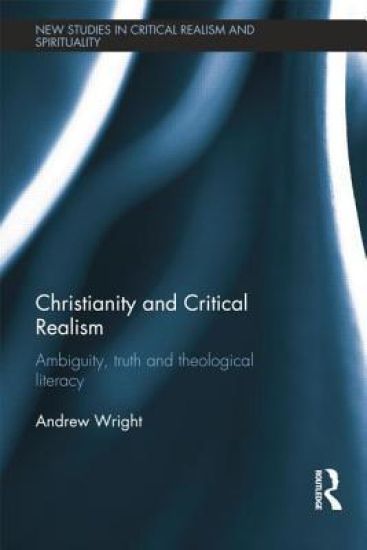
Christianity and Critical Realism

Christianity and Critical Realism

Andrew Wright

Routledge
2014
nidottu
One of the key achievements of critical realism has been to expose the modernist myth of universal reason, which holds that authentic knowledge claims must be objectively ‘pure’, uncontaminated by the subjectivity of local place, specific time and particular culture. Wright aims to address the lack of any substantial and sustained engagement between critical realism and theological critical realism with particular regard to: (a) the distinctive ontological claims of Christianity; (b) their epistemic warrant and intellectual legitimacy; and (c) scrutiny of the primary source of the ontological claims of Christianity, namely the historical figure of Jesus of Nazareth. As such, it functions as a prolegomena to a much needed wider debate, guided by the under-labouring services of critical realism, between Christianity and various other religious and secular worldviews. This important new text will help stimulate a debate that has yet to get out of first gear.This book will appeal to academics, graduate and post-graduate students especially, but also Christian clergy, ministers and informed laity, and members of the general public concerned with the nature of religion and its place in contemporary society.
Religion, Education and Post-Modernity
This book, the first to explore religious education and post-modernity in depth, sets out to provide a much needed examination of the problems and possibilities post-modernity raises for religious education.At once a general introduction to this topic and a distinctive contribution to the debate in its own right, Religion, Education and Post-modernity explores and illuminates the problems, and possibilities opened up for religious education by postmodern thought and culture. The book describes the emergence of post-modernity, considers the impact of post-modernity on religion, addresses its impact on the philosophy of religion and considers the nature of religious education in the post-modern world.Andrew Wright argues that, although post-modernity has much to offer the religious educator, there are also many pitfalls and dangers to be avoided. Steering clear of the extreme of post-modern hyper-realism, he constructs a religious pedagogy sensitive to post-modern concerns for alterity, difference and the voice of the Other, whilst insisting on the importance of reasons in cultivating religious literacy.