Kirjojen hintavertailu. Mukana 12 008 728 kirjaa ja 12 kauppaa.

Kirjahaku

Etsi kirjoja tekijän nimen, kirjan nimen tai ISBN:n perusteella.

3 kirjaa tekijältä Angela M. Smith

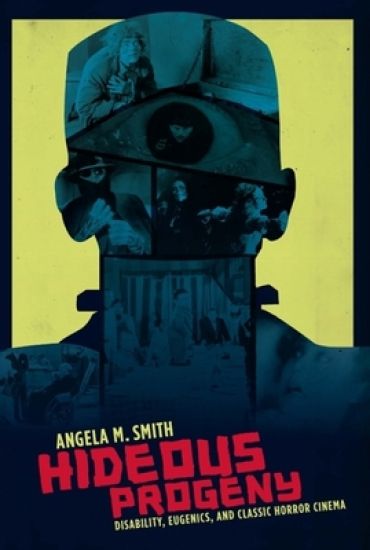
Hideous Progeny

Hideous Progeny

Angela M. Smith

Columbia University Press
2012
sidottu
Twisted bodies, deformed faces, aberrant behavior, and abnormal desires characterized the hideous creatures of classic Hollywood horror, which thrilled audiences with their sheer grotesqueness. Most critics have interpreted these traits as symptoms of sexual repression or as metaphors for other kinds of marginalized identities, yet Angela M. Smith conducts a richer investigation into the period's social and cultural preoccupations. She finds instead a fascination with eugenics and physical and cognitive debility in the narrative and spectacle of classic 1930s horror, heightened by the viewer's desire for visions of vulnerability and transformation. Reading such films as Dracula (1931), Frankenstein (1931), Dr. Jekyll and Mr. Hyde (1931), Freaks (1932), and Mad Love (1935) against early-twentieth-century disability discourse and propaganda on racial and biological purity, Smith showcases classic horror's dependence on the narratives of eugenics and physiognomics. She also notes the genre's conflicted and often contradictory visualizations. Smith ultimately locates an indictment of biological determinism in filmmakers' visceral treatments, which take the impossibility of racial improvement and bodily perfection to sensationalistic heights. Playing up the artifice and conventions of disabled monsters, filmmakers exploited the fears and yearnings of their audience, accentuating both the perversity of the medical and scientific gaze and the debilitating experience of watching horror. Classic horror films therefore encourage empathy with the disabled monster, offering captive viewers an unsettling encounter with their own impairment. Smith's work profoundly advances cinema and disability studies, in addition to general histories concerning the construction of social and political attitudes toward the Other.
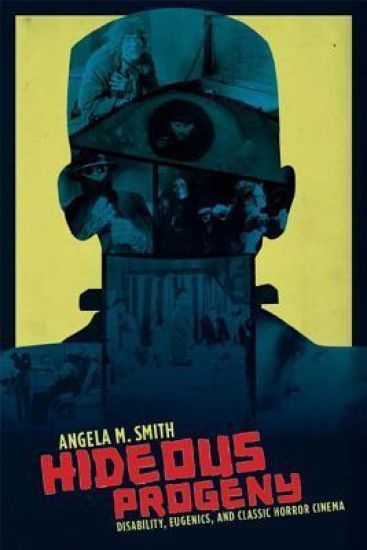
Hideous Progeny

Hideous Progeny

Angela M. Smith

Columbia University Press
2012
pokkari
Twisted bodies, deformed faces, aberrant behavior, and abnormal desires characterized the hideous creatures of classic Hollywood horror, which thrilled audiences with their sheer grotesqueness. Most critics have interpreted these traits as symptoms of sexual repression or as metaphors for other kinds of marginalized identities, yet Angela M. Smith conducts a richer investigation into the period's social and cultural preoccupations. She finds instead a fascination with eugenics and physical and cognitive debility in the narrative and spectacle of classic 1930s horror, heightened by the viewer's desire for visions of vulnerability and transformation. Reading such films as Dracula (1931), Frankenstein (1931), Dr. Jekyll and Mr. Hyde (1931), Freaks (1932), and Mad Love (1935) against early-twentieth-century disability discourse and propaganda on racial and biological purity, Smith showcases classic horror's dependence on the narratives of eugenics and physiognomics. She also notes the genre's conflicted and often contradictory visualizations. Smith ultimately locates an indictment of biological determinism in filmmakers' visceral treatments, which take the impossibility of racial improvement and bodily perfection to sensationalistic heights. Playing up the artifice and conventions of disabled monsters, filmmakers exploited the fears and yearnings of their audience, accentuating both the perversity of the medical and scientific gaze and the debilitating experience of watching horror. Classic horror films therefore encourage empathy with the disabled monster, offering captive viewers an unsettling encounter with their own impairment. Smith's work profoundly advances cinema and disability studies, in addition to general histories concerning the construction of social and political attitudes toward the Other.

Break -Free: Disarm, Defeat and Overcome anything holding you back!
We all have issues and challenges when it comes to moving forward in our faith or being who God has called us to be. He wants to take us to a place called Destiny Wouldn't it be great to break-free from the strongholds that holds you back? This book is filled with scriptures, and personal experience, and testimonies. My hope is that it will help you break-free from some of the, emotions, addictive behaviors and thoughts that keep you chained and prevent you from moving forward.When we operate in our own strength, we see what we can do. When we operate under Jesus' direction and with the power of the Holy Spirit, we see what God can do.