Kirjojen hintavertailu. Mukana 11 244 527 kirjaa ja 12 kauppaa.

Kirjahaku

Etsi kirjoja tekijän nimen, kirjan nimen tai ISBN:n perusteella.

11 kirjaa tekijältä Angela Wright

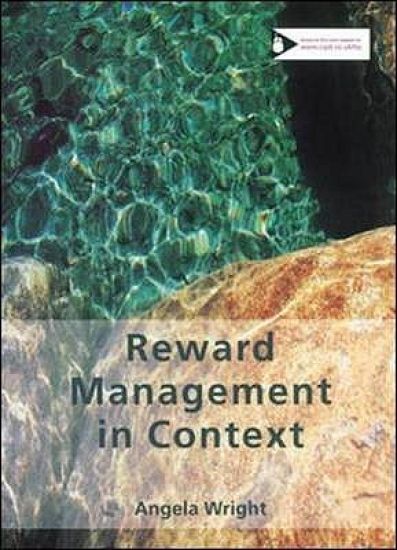
Reward Management in Context

Reward Management in Context

Angela Wright

Chartered Institute of Personnel Development
2004
nidottu
This text will cater specifically for the `Employee Reward’ module on the CIPD PDS qualification, as well as for Reward modules in a wider HR and business degree market. This book is one of only a few titles specifically focusing on Reward in the market place. It is designed to offer an analytical approach to Reward within a balanced look at theory and practice. It seeks to avoid a prescriptive view of Reward and instead offer a questioning approach to the subject area.
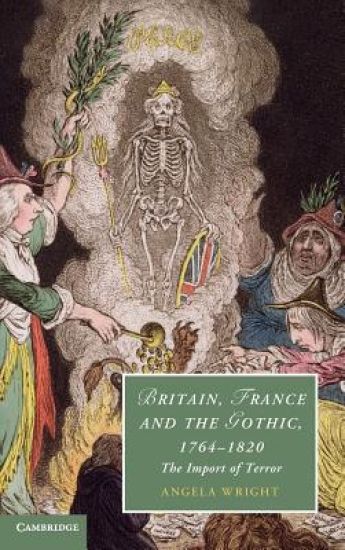
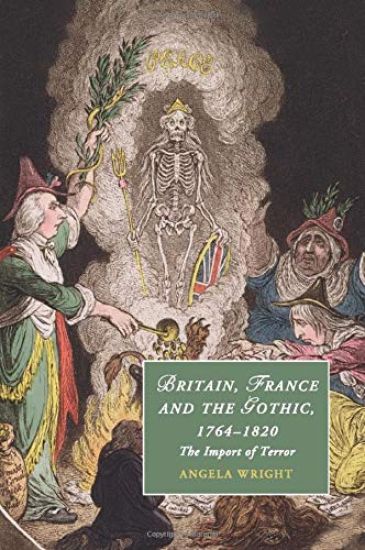
Britain, France and the Gothic, 1764–1820

Britain, France and the Gothic, 1764–1820

Angela Wright

Cambridge University Press
2013
sidottu
In describing his proto-Gothic fiction, The Castle of Otranto (1764), as a translation, Horace Walpole was deliberately playing on national anxieties concerning the importation of war, fashion and literature from France in the aftermath of the Seven Years' War. In the last decade of the eighteenth century, as Britain went to war again with France, this time in the wake of revolution, the continuing connections between Gothic literature and France through the realms of translation, adaptation and unacknowledged borrowing led to strong suspicions of Gothic literature taking on a subversive role in diminishing British patriotism. Angela Wright explores the development of Gothic literature in Britain in the context of the fraught relationship between Britain and France, offering fresh perspectives on the works of Walpole, Radcliffe, 'Monk' Lewis and their contemporaries.
Britain, France and the Gothic, 1764–1820

Britain, France and the Gothic, 1764–1820

Angela Wright

Cambridge University Press
2015
pokkari
In describing his proto-Gothic fiction, The Castle of Otranto (1764), as a translation, Horace Walpole was deliberately playing on national anxieties concerning the importation of war, fashion and literature from France in the aftermath of the Seven Years' War. In the last decade of the eighteenth century, as Britain went to war again with France, this time in the wake of revolution, the continuing connections between Gothic literature and France through the realms of translation, adaptation and unacknowledged borrowing led to strong suspicions of Gothic literature taking on a subversive role in diminishing British patriotism. Angela Wright explores the development of Gothic literature in Britain in the context of the fraught relationship between Britain and France, offering fresh perspectives on the works of Walpole, Radcliffe, 'Monk' Lewis and their contemporaries.
Gothic Fiction

Gothic Fiction

Angela Wright

Red Globe Press
2007
sidottu
What is the Gothic? Few literary genres have attracted so much praise and critical disdain simultaneously. This Guide returns to the Gothic novel's first wave of popularity, between 1764 and 1820, to explore and analyse the full range of contradictory responses that the Gothic evoked. Angela Wright appraises the key criticism surrounding the Gothic fiction of this period, from eighteenth-century accounts to present-day commentaries. Adopting an easy-to-follow thematic approach, the Guide examines:- contemporary criticism of the Gothic- the aesthetics of terror and horror - the influence of the French Revolution- religion, nationalism and the Gothic- the relationship between psychoanalysis and the Gothic- the relationship between gender and the Gothic.Concise and authoritative, this indispensable Guide provides an overview of Gothic criticism and covers the work of a variety of well-known Gothic writers, such as Horace Walpole, Ann Radcliffe, Matthew Lewis and many others.
Gothic Fiction

Gothic Fiction

Angela Wright

Red Globe Press
2007
nidottu
What is the Gothic? Few literary genres have attracted so much praise and critical disdain simultaneously. This Guide returns to the Gothic novel's first wave of popularity, between 1764 and 1820, to explore and analyse the full range of contradictory responses that the Gothic evoked. Angela Wright appraises the key criticism surrounding the Gothic fiction of this period, from eighteenth-century accounts to present-day commentaries. Adopting an easy-to-follow thematic approach, the Guide examines:- contemporary criticism of the Gothic- the aesthetics of terror and horror - the influence of the French Revolution- religion, nationalism and the Gothic- the relationship between psychoanalysis and the Gothic- the relationship between gender and the Gothic.Concise and authoritative, this indispensable Guide provides an overview of Gothic criticism and covers the work of a variety of well-known Gothic writers, such as Horace Walpole, Ann Radcliffe, Matthew Lewis and many others.
Mary Shelley

Mary Shelley

Angela Wright

University of Wales Press
2018
nidottu
Mary Shelley reappraises the significance of Frankenstein alongside other works by Shelley which could be considered to revise the significance and fluctuating meanings of ‘Gothic’ during the Romantic period. It offers scholarly, fresh readings of the 1818 and 1831 editions of Frankenstein, as well as chapters upon the fiction that Shelley composed in between both editions, and during the same decade as its second edition. In its broader examination of Mary Shelley’s work, this study is the first of its kind within the field of Gothic studies. Alongside sustained explorations of Frankenstein, Matilda, Valperga and The Last Man, the volume Mary Shelley reappraises some of the shorter essays and tales that the author composed for contemporary magazines. Angela Wright argues that the time is now right for a re-examination of the extent to which Shelley participated in and redirected the Gothic tradition.