Kirjojen hintavertailu. Mukana 12 390 323 kirjaa ja 12 kauppaa.

Kirjahaku

Etsi kirjoja tekijän nimen, kirjan nimen tai ISBN:n perusteella.

4 kirjaa tekijältä Anjali Roy

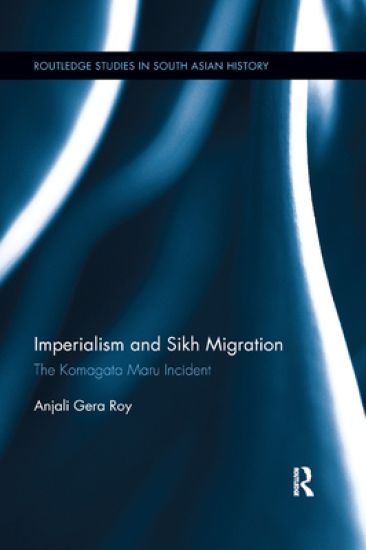
Imperialism and Sikh Migration
In the Punjab, a culture of migration and mobility had already emerged in the nineteenth century. Imperial policies produced a category of hypermobile Sikhs, who left their villages in Punjab to seek their fortunes in South East Asia, Australia, America and Canada. The practices of the British Indian government and the Canada government offer telling instances of the exercise of governmentality through which both old imperialism and the new Empire assert their sovereignty. This book focuses on the Komagata Maru episode of 1914. This Japanese ship was chartered by Gurdit Singh, a prosperous Sikh businessman from Malaya. It carried 376 passengers from Punjab and was not permitted to land in Vancouver on grounds of a stipulation about a continuous journey from the port of departure and forced to return to Kolkata where the passengers were fired at, imprisoned or kept under surveillance. The author isolates juridical procedures, tactics and apparatus of security through which the British Empire exercised power on imperial subjects by investigating the significance of this incident to colonial and postcolonial migration. Juxtaposing public archives including newspapers, official documents and reports against private archives and interviews of descendants, the book analyses the legalities and machineries of surveillance that regulate the movements of people in the old and new Empire.Addressing contemporary discourse on neo-imperialism and resistance, migration, diaspora, multiculturalism and citizenship, this book will be of interest to scholars in the field of diaspora studies, post colonialism, minority studies, migration studies, multiculturalism and Sikh /Punjab and South Asian studies.
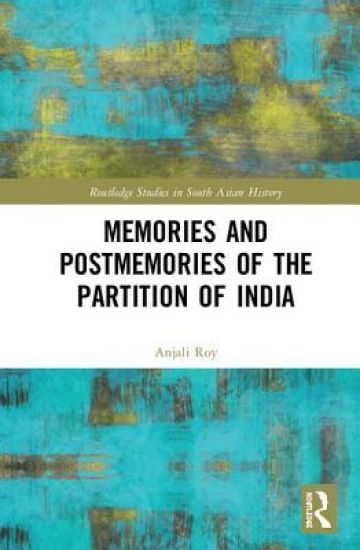
Memories and Postmemories of the Partition of India
This book examines the afterlife of Partition as imprinted on the memories and postmemories of Hindu and Sikh survivors from West Punjab to foreground the intersection between history, memory and narrative. It shows how survivors script their life stories to reinscribe tragic tales of violence and abjection into triumphalist sagas of fortitude, resilience, industry, enterprise and success. At the same time, it reveals the silences, stutters and stammers that interrupt survivors’ narrations to bring attention to the untold stories repressed in their consensual narratives. By drawing upon current research in history, memory, narrative, violence, trauma, affect, home, nation, borders, refugees and citizenship, the book analyzes the traumatizing effects of both the tangible and intangible violence of Partition by tracing the survivors’ journey from refugees to citizens as they struggle to make new homes and lives in an unhomely land. Moreover, arguing that the event of Partition radically transformed the notions of home, belonging, self and community, it shows that individuals affected by Partition produce a new ethics and aesthetic of displacement and embody new ways of being in the world. An important contribution to the field of Partition studies, this book will be of interest to researchers on South Asian history, memory, partition and postcolonial studies.
Memories and Postmemories of the Partition of India
This book examines the afterlife of Partition as imprinted on the memories and postmemories of Hindu and Sikh survivors from West Punjab to foreground the intersection between history, memory and narrative. It shows how survivors script their life stories to reinscribe tragic tales of violence and abjection into triumphalist sagas of fortitude, resilience, industry, enterprise and success. At the same time, it reveals the silences, stutters and stammers that interrupt survivors’ narrations to bring attention to the untold stories repressed in their consensual narratives. By drawing upon current research in history, memory, narrative, violence, trauma, affect, home, nation, borders, refugees and citizenship, the book analyzes the traumatizing effects of both the tangible and intangible violence of Partition by tracing the survivors’ journey from refugees to citizens as they struggle to make new homes and lives in an unhomely land. Moreover, arguing that the event of Partition radically transformed the notions of home, belonging, self and community, it shows that individuals affected by Partition produce a new ethics and aesthetic of displacement and embody new ways of being in the world. An important contribution to the field of Partition studies, this book will be of interest to researchers on South Asian history, memory, partition and postcolonial studies.
Imperialism and Sikh Migration
In the Punjab, Pakistan, a culture of migration and mobility already emerged in the nineteenth century. Imperial policies produced a category of hypermobile Sikhs, who left their villages in Punjab to seek their fortunes in South East Asia, Australia, America and Canada. The practices of the British Indian government and the Canada government offer telling instances of the exercise of governmentality through which both old imperialism and the new Empire assert their sovereignty. This book focuses on the Komagata Maru episode of 1914: This Japanese ship was chartered by Gurdit Singh, a prosperous Sikh businessman from Malaya. It carried 376 passengers from Punjab and was not permitted to land in Vancouver on grounds of a stipulation about a continuous journey from the port of departure and forced to return to Kolkata where the passengers were fired at, imprisoned or kept under surveillance. The author isolates juridical procedures, tactics and apparatus of security through which the British Empire exercised power on imperial subjects by investigating the significance of this incident to colonial and postcolonial migration. Juxtaposing public archives including newspapers, official documents and reports against private archives and interviews of descendants the book analyses the legalities and machineries of surveillance that regulate the movements of people in the old and new Empire.Addressing contemporary discourse on neo-imperialism and resistance, migration, diaspora, multiculturalism and citizenship, this book will be of interest to scholars in the field of diaspora studies, post colonialism, minority studies, migration studies, multiculturalism and Sikh /Punjab and South Asian studies.