Kirjojen hintavertailu. Mukana 12 016 292 kirjaa ja 12 kauppaa.

Kirjahaku

Etsi kirjoja tekijän nimen, kirjan nimen tai ISBN:n perusteella.

10 kirjaa tekijältä Anthony Lane

Nobody's Perfect: Writings from the New Yorker
Anthony Lane on Con Air-- "Advance word on Con Air said that it was all about an airplane with an unusually dangerous and potentially lethal load. Big deal. You should try the lunches they serve out of Newark. Compared with the chicken napalm I ate on my last flight, the men in Con Air are about as dangerous as balloons." Anthony Lane on The Bridges of Madison County-- "I got my copy at the airport, behind a guy who was buying Playboy's Book of Lingerie, and I think he had the better deal. He certainly looked happy with his purchase, whereas I had to ask for a paper bag." Anthony Lane on Martha Stewart-- "Super-skilled, free of fear, the last word in human efficiency, Martha Stewart is the woman who convinced a million Americans that they have the time, the means, the right, and--damn it--the duty to pipe a little squirt of soft cheese into the middle of a snow pea, and to continue piping until there are 'fifty to sixty' stuffed peas raring to go." For ten years, Anthony Lane has delighted New Yorker readers with his film reviews, book reviews, and profiles that range from Buster Keaton to Vladimir Nabokov to Ernest Shackleton. Nobody's Perfect is an unforgettable collection of Lane's trademark wit, satire, and insight that will satisfy both the long addicted and the not so familiar.
Shipwrecks of Kent

Shipwrecks of Kent

Anthony Lane

The History Press Ltd
1999
nidottu
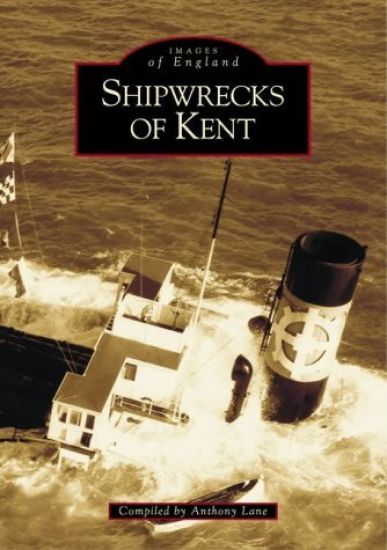
Kent has witnessed the passing of ships since the beginning of recording history. The Romans landed there, and armed vessels from Spain, Holland, France and Germany have threatened its shores. As London became the major seaport of the realm, the maritime trade of the nation passed through its coastal waters. With so many ships passing along the coast of Kent, inevitably there have been many shipwrecks, particularly on the infamous Goodwin Sands and the outlying banks of the Thames estuary. Some in these have been tragic in nature, while others have included an element of comedy. This compilation of 200 photographs, drawn from many sources, provides a reminder of many of the more famous wrecks in the area. It also includes some not so familiar disasters from the past and describes some strange coincidences that have occurred over the last two centuries. Simplified charts are included to give an idea of the perils of the coastline and also the effectiveness of the German mining campaign in the Second World War. In addition to ships that got into difficulties, lifeboats and their crews that helped to rescue men under the most awful conditions of weather have a special place in this pictorial account. Famous rescues like the Northern Belle and Indian Chief are recorded, and modern disasters, such as the explosion and sinking of the Texaco Caribbean, which set in motion a programme for safer navigation of the crowded English Channel, are given special coverage. The result is a portrait of the battle between men and the sea. In many cases it was the sea that won. It is also a tribute to those of the lifeboat service who risked their lives so that others in distress might be saved.
Guiding Lights

Guiding Lights

Anthony Lane

NPI Media Group
2001
nidottu
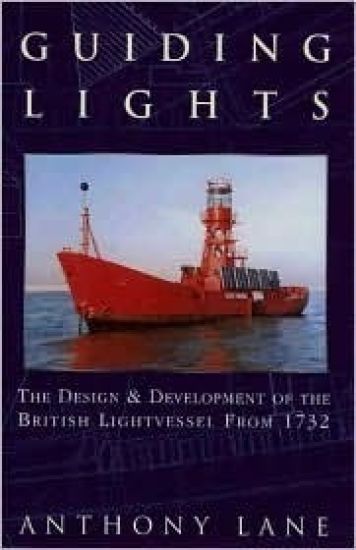
This is the story of the design and development of British Lightvessels that have protected the coast since 1732, and the great variety of innovative engineering involved. Largely unknown to the general public, this study brings together information and photographs not previously published. A list of British and Irish lightvessel stations is included.
Calamity Corner

Calamity Corner

Anthony Lane

The History Press Ltd
2004
nidottu
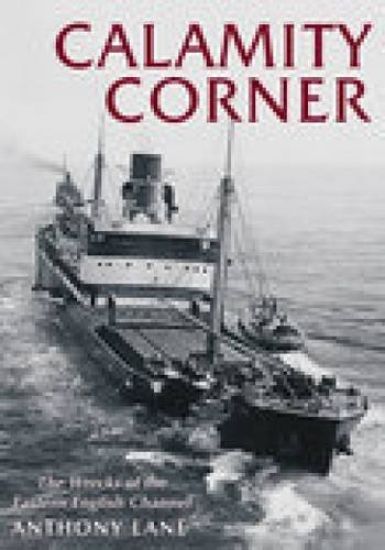
For over five centuries, the English Channel's eastern approaches have been the busiest stretch of sea in the world. The route from London and the ports of northern Europe has seen more shipwrecks than almost any other part of the coastline and the area is well known for its shifting sands, narrow sea lanes and rapidly changing weather patterns. From the Goodwin Sands to the offshore hazards of northern France and Belgium, these sandbanks have caused many a ship to founder.Calamity Corner illustrates just how this stretch of coast, on both sides of the Channel, is so treacherous and gives us an idea of the sheer number of ships that have been lost here in the past few centuries, and tragedies, as well as triumphs of man over nature. Anthony Lane gives a truly local flavour to the maritime disasters from Kent through Sussex and the French and Belgian coasts where the North Sea funnels into the narrow English Channel.
Kent Ports and Harbours

Kent Ports and Harbours

Anthony Lane

The History Press Ltd
2010
nidottu
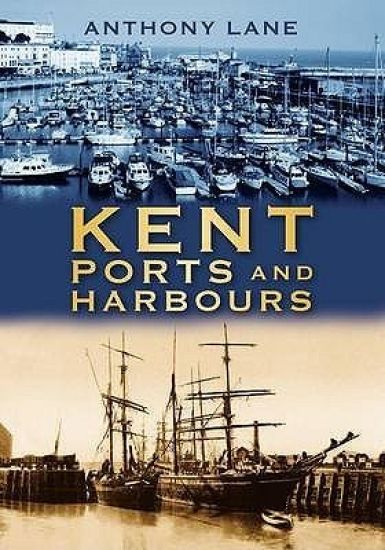
Kent Ports and Harbours charts the changes that have occurred over the last 400 years to the Kent ports and their associated shipping industries. It covers the development from naval dockyard to commercial port that took place at Chatham and Sheerness, along with the growth of the well-known seaside towns such as Margate and Ramsgate which expanded as the paddle steamers reduced the dangers of sea travel. Starting with the sailing vessels fishing or carrying small cargoes and finishing with the modern ferries, tankers, car carriers and container ships of today, this highly illustrated book emphasises the variety of seafarers, craft and harbour environments that can be found in Kent waters.
Front Line Harbour

Front Line Harbour

Anthony Lane

Amberley Publishing
2011
nidottu
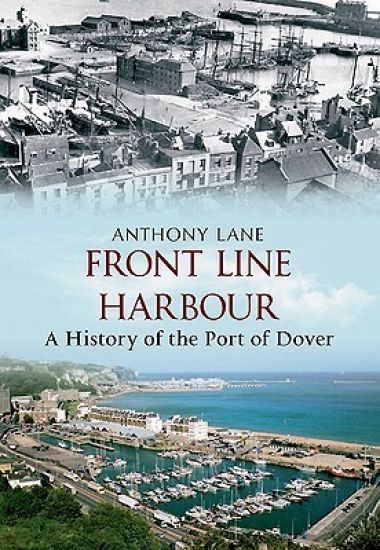
Made famous by its position, the port of Dover has proved of great importance to the nation in war and peace over many centuries. A Roman stronghold, it became a major Cinque Port after the Norman Conquest. Following the murder of Thomas Beckett at Canterbury in 1170, it became a place of transit for many pilgrims, encouraging Henry II to improve the remarkable castle we know today. Henry VIII and Elizabeth I made great efforts to improve the often threatened harbour, where, in 1660, Charles II returned to Dover to re-establish the monarchy. In the past, in peacetime, the town welcomed monarchs and statesmen from all over the world who arrived by sea. The Admiralty Grand Harbour provided a base for the Dover Patrol and a receiving station for more than a million wounded in the First World War. Similarly, in 1940, the major part of the British Army retreating from Dunkirk was landed at Dover. This highly illustrated book describes the development of the harbour over the last 500 years and its associated shipping activities, commercial and naval, particularly the cross-Channel ferries, which have considerably increased in size and number in recent times to cater for the enormous number of passengers, cars and trucks which nowadays cross to and from France. Dover remains on the Front Line in road communications with Europe.