Kirjojen hintavertailu. Mukana 11 342 296 kirjaa ja 12 kauppaa.

Kirjahaku

Etsi kirjoja tekijän nimen, kirjan nimen tai ISBN:n perusteella.

54 kirjaa tekijältä Antonio Gramsci

Antonio Gramsci

Antonio Gramsci

Antonio Gramsci

Lawrence And Wishart Ltd
1995
sidottu
Brings together Gramsci's writings on religion, education, science, philosophy and economic theory. The theme that links these writings is the investigation of ideology at its different levels, and the structures which embody and reproduce it.
Antonio Gramsci

Antonio Gramsci

Antonio Gramsci

Cappelen Damm akademisk
2019
nidottu
Filosofen og politikeren Antonio Gramsci (1891-1937) var leder av det italienske kommunistpartiet og ble fengslet under det fascistiske regimet i Italia. Som journalist under første verdenskrig og frem til fengslingen i 1926, kommenterte han en rekke av datidens store og dramatiske begivenheter, som den russiske revolusjon og fremveksten av fascismen i Italia, i tillegg til fremveksten av den angloamerikanske, globaliserte kapitalismen. Disse tekstene gir oss et unikt innblikk i denne dramatiske perioden, slik Gramsci, som selv var direkte involvert i mange av hendelsene, opplevde den. Gramsci avviste enhver form for deterministisk lesning av marxismen, og presenterte egne politiske teorier som førte til at han kom på kollisjonskurs med sitt eget parti. Han representerte en marxisme som ikke var økonomistisk, der kulturen hadde en selvstendig verdi og der det nasjonalt-folkelige og populærkulturen spilte en viktig rolle. Gramsci er ofte sitert, men tekstene hans er sjelden lest. Denne antologien gir leseren mulighet til å bli bedre kjent med filosofen og politikeren Gramsci, en av 1900-tallets viktigste politiske tenkere. Utvalg, innledning og oversettelse ved Geir Lima.
Gramsci: Pre-Prison Writings

Gramsci: Pre-Prison Writings

Antonio Gramsci

Cambridge University Press
1994
sidottu
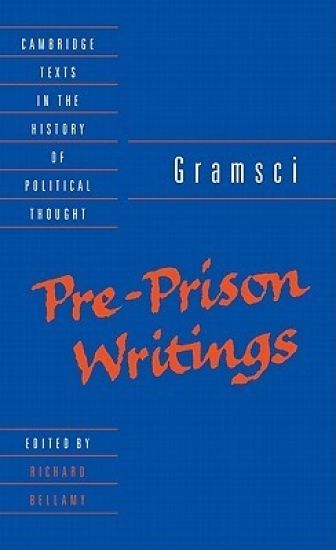
This 1994 collection of Gramsci's pre-prison writings, translated and including a number of pieces not previously available in English, covers the whole gamut of his journalistic activity, ranging from general cultural criticism to commentaries on local, national and international events. These early articles reveal the genesis of many of the themes of the Prison Notebooks, such as the function of intellectuals, the importance of cultural hegemony in holding societies together, and the role of the party in organising a revolutionary consciousness. In particular, the collection highlights the specifically Italian political, cultural and social origins and relevance of much of Gramsci's innovatory reworking of certain central concepts of Marxist thought. It will be of interest to a broad range of scholars and students concerned with the history of political, social and cultural thought in the twentieth century.
Gramsci Reader

Gramsci Reader

Antonio Gramsci

Lawrence And Wishart Ltd
2000
pokkari
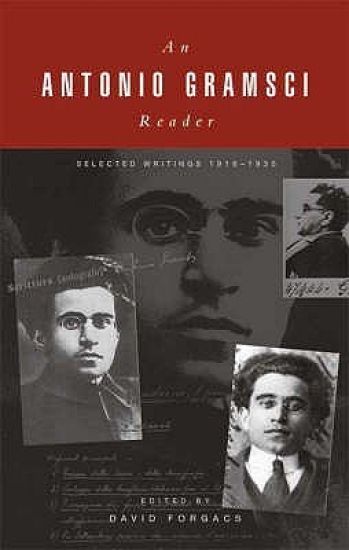
A selection of Gramsci's writings in one volume including his most important political, cultural and historical work. The collection focuses on key concepts - such as hegemony, passive revolution, civil society, common sense - and important texts on Americanism and Fordism, and popular culture.
Prison Notebooks

Prison Notebooks

Antonio Gramsci

Columbia University Press
1992
sidottu
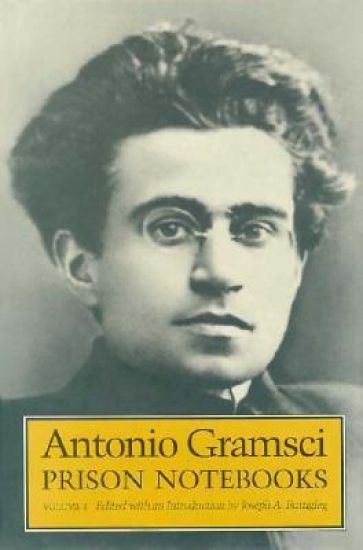
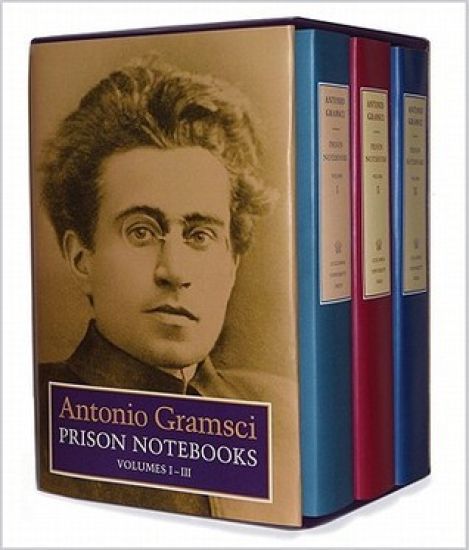
Antonio Gramsci (1891-1937) is widely celebrated as the most original political thinker in Western Marxism and an all-around outstanding intellectual figure. Arrested and imprisoned by the Italian Fascist regime in 1926, Gramsci died before fully regaining his freedom. Nevertheless, in his prison notebooks, he recorded thousands of brilliant reflections on an extraordinary range of subjects, establishing an enduring intellectual legacy. Columbia University Press's multivolume Prison Notebooks is the only complete critical edition of Antonio Gramsci's seminal writings in English. The notebooks' integral text gives readers direct access not only to Gramsci's influential ideas but also to the intellectual workshop where those ideas were forged. Extensive notes guide readers through Gramsci's extraordinary series of reflections on an encyclopedic range of topics. Volume 1 opens with an introduction to Gramsci's project, describing the circumstances surrounding the composition of his notebooks and examining his method of inquiry and critical analysis. It is accompanied by a detailed chronology of the author's life. An unparalleled translation of notebooks 1 and 2 follows, which laid the foundations for Gramsci's later writings. Most intriguing are his earliest formulations of the concepts of hegemony, civil society, and passive revolution.
Prison Notebooks

Prison Notebooks

Antonio Gramsci

Columbia University Press
2011
pokkari
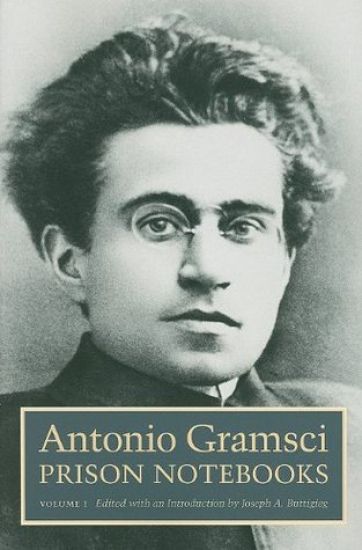
Antonio Gramsci (1891-1937) is widely celebrated as the most original political thinker in Western Marxism and an all-around outstanding intellectual figure. Arrested and imprisoned by the Italian Fascist regime in 1926, Gramsci died before fully regaining his freedom. Nevertheless, in his prison notebooks, he recorded thousands of brilliant reflections on an extraordinary range of subjects, establishing an enduring intellectual legacy. Columbia University Press's multivolume Prison Notebooks is the only complete critical edition of Antonio Gramsci's seminal writings in English. The notebooks' integral text gives readers direct access not only to Gramsci's influential ideas but also to the intellectual workshop where those ideas were forged. Extensive notes guide readers through Gramsci's extraordinary series of reflections on an encyclopedic range of topics. Volume 1 opens with an introduction to Gramsci's project, describing the circumstances surrounding the composition of his notebooks and examining his method of inquiry and critical analysis. It is accompanied by a detailed chronology of the author's life. An unparalleled translation of notebooks 1 and 2 follows, which laid the foundations for Gramsci's later writings. Most intriguing are his earliest formulations of the concepts of hegemony, civil society, and passive revolution.
Letters from Prison

Letters from Prison

Antonio Gramsci

Columbia University Press
1994
sidottu
Antonio Gramsci (1891-1937) was one of the most original political thinkers in Western Marxism and an exceptional intellectual. Arrested and imprisoned by the Italian Fascist regime in 1926, Gramsci died before fully regaining his freedom, yet he wrote extensive letters while incarcerated, rich with insight into the physical and psychological tortures of prison. In meticulous detail, Gramsci records how political prisoners, himself included, contend with the fear of illness and death and the rules and regulations that threaten to efface their individuality. Forming an incomparable link between Gramsci's intellectual passion and his emotional vulnerability, Letters from Prison shows a man reconstructing his life while being separated from it, struggling to recapture the primary relationships that once defined his identity. Frank Rosengarten divides more than four hundred Gramsci letters into two companion volumes, complete with a chronology of the thinker's crucial life experiences, an introduction that sheds light on the main experiences and themes in the letters, biographical notes on his correspondents, and a bibliography of works cited in his letters.
Letters from Prison

Letters from Prison

Antonio Gramsci

Columbia University Press
2011
pokkari
Antonio Gramsci (1891-1937) was one of the most original political thinkers in Western Marxism and an exceptional intellectual. Arrested and imprisoned by the Italian Fascist regime in 1926, Gramsci died before fully regaining his freedom, yet he wrote extensive letters while incarcerated, rich with insight into the physical and psychological tortures of prison. In meticulous detail, Gramsci records how political prisoners, himself included, contend with the fear of illness and death and the rules and regulations that threaten to efface their individuality. Forming an incomparable link between Gramsci's intellectual passion and his emotional vulnerability, Letters from Prison shows a man reconstructing his life while being separated from it, struggling to recapture the primary relationships that once defined his identity. Frank Rosengarten divides more than four hundred Gramsci letters into two companion volumes, complete with a chronology of the thinker's crucial life experiences, an introduction that sheds light on the main experiences and themes in the letters, biographical notes on his correspondents, and a bibliography of works cited in his letters.
Letters from Prison

Letters from Prison

Antonio Gramsci

Columbia University Press
1994
sidottu
Antonio Gramsci (1891-1937) was one of the most original political thinkers in Western Marxism and an exceptional intellectual. Arrested and imprisoned by the Italian Fascist regime in 1926, Gramsci died before fully regaining his freedom, yet he wrote extensive letters while incarcerated, rich with insight into the physical and psychological tortures of prison. In meticulous detail, Gramsci records how political prisoners, himself included, contend with the fear of illness and death and the rules and regulations that threaten to efface their individuality. Forming an incomparable link between Gramsci's intellectual passion and his emotional vulnerability, Letters from Prison shows a man reconstructing his life while being separated from it, struggling to recapture the primary relationships that once defined his identity. Frank Rosengarten divides more than four hundred Gramsci letters into two companion volumes, complete with a chronology of the thinker's crucial life experiences, biographical notes on his correspondents, and a bibliography of works cited in his letters.
Letters from Prison

Letters from Prison

Antonio Gramsci

Columbia University Press
2011
pokkari
Antonio Gramsci (1891-1937) was one of the most original political thinkers in Western Marxism and an exceptional intellectual. Arrested and imprisoned by the Italian Fascist regime in 1926, Gramsci died before fully regaining his freedom, yet he wrote extensive letters while incarcerated, rich with insight into the physical and psychological tortures of prison. In meticulous detail, Gramsci records how political prisoners, himself included, contend with the fear of illness and death and the rules and regulations that threaten to efface their individuality. Forming an incomparable link between Gramsci's intellectual passion and his emotional vulnerability, Letters from Prison shows a man reconstructing his life while being separated from it, struggling to recapture the primary relationships that once defined his identity. Frank Rosengarten divides more than four hundred Gramsci letters into two companion volumes, complete with a chronology of the thinker's crucial life experiences, biographical notes on his correspondents, and a bibliography of works cited in his letters.
Prison Notebooks

Prison Notebooks

Antonio Gramsci

Columbia University Press
1996
sidottu
Antonio Gramsci (1891-1937) is widely celebrated as the most original political thinker in Western Marxism and an all-around outstanding intellectual figure. Arrested and imprisoned by the Italian Fascist regime in 1926, Gramsci died before fully regaining his freedom. Nevertheless, in his prison notebooks, he recorded thousands of brilliant reflections on an extraordinary range of subjects, establishing an enduring intellectual legacy. Columbia University Press's multivolume Prison Notebooks is the only complete critical edition of Antonio Gramsci's seminal writings in English. The notebooks' integral text gives readers direct access not only to Gramsci's influential ideas but also to the intellectual workshop where those ideas were forged. Extensive notes guide readers through Gramsci's extraordinary series of reflections on an encyclopedic range of topics. Volume 2 contains Gramsci's notebooks 3, 4, and 5, written between 1930 and 1932. Their central themes are popular culture, Italian history, Americanism, and the Catholic Church as a religious institution and formidable politico-ideological force. Gramsci also touches on the Renaissance and Reformation, language and linguistics, military and diplomatic history, and Japanese and Chinese culture. Notebook 4 features an innovative reading of canto 10 from Dante's Inferno and a philosophical analysis of materialism and idealism. It also includes the first draft of Gramsci's famous observations on the history and role of intellectuals in society.
Prison Notebooks

Prison Notebooks

Antonio Gramsci

Columbia University Press
2011
pokkari
Antonio Gramsci (1891-1937) is widely celebrated as the most original political thinker in Western Marxism and an all-around outstanding intellectual figure. Arrested and imprisoned by the Italian Fascist regime in 1926, Gramsci died before fully regaining his freedom. Nevertheless, in his prison notebooks, he recorded thousands of brilliant reflections on an extraordinary range of subjects, establishing an enduring intellectual legacy. Columbia University Press's multivolume Prison Notebooks is the only complete critical edition of Antonio Gramsci's seminal writings in English. The notebooks' integral text gives readers direct access not only to Gramsci's influential ideas but also to the intellectual workshop where those ideas were forged. Extensive notes guide readers through Gramsci's extraordinary series of reflections on an encyclopedic range of topics. Volume 2 contains Gramsci's notebooks 3, 4, and 5, written between 1930 and 1932. Their central themes are popular culture, Italian history, Americanism, and the Catholic Church as a religious institution and formidable politico-ideological force. Gramsci also touches on the Renaissance and Reformation, language and linguistics, military and diplomatic history, and Japanese and Chinese culture. Notebook 4 features an innovative reading of canto 10 from Dante's Inferno and a philosophical analysis of materialism and idealism. It also includes the first draft of Gramsci's famous observations on the history and role of intellectuals in society.
Prison Notebooks

Prison Notebooks

Antonio Gramsci

Columbia University Press
2007
sidottu
Antonio Gramsci (1891-1937) is widely celebrated as the most original political thinker in Western Marxism and an all-around outstanding intellectual figure. Arrested and imprisoned by the Italian Fascist regime in 1926, Gramsci died before fully regaining his freedom. Nevertheless, in his prison notebooks, he recorded thousands of brilliant reflections on an extraordinary range of subjects, establishing an enduring intellectual legacy. Columbia University Press's multivolume Prison Notebooks is the only complete critical edition of Antonio Gramsci's seminal writings in English. The notebooks' integral text gives readers direct access not only to Gramsci's influential ideas but also to the intellectual workshop where those ideas were forged. Extensive notes guide readers through Gramsci's extraordinary series of reflections on an encyclopedic range of topics. Volume 3 contains notebooks 6, 7, and 8, in which Gramsci develops his concepts of hegemony, civil society, and the state; reflects extensively on the Renaissance, the Reformation, and Machiavelli's political philosophy; and offers a trenchant critique of the cultural and political practices of fascism. A detailed analysis of positivism and idealism brings Gramsci's philosophy of praxis and conception of historical materialism into sharp relief. Also included are the author's extensive observations on articles and books read during his imprisonment.
Prison Notebooks

Prison Notebooks

Antonio Gramsci

Columbia University Press
2007
pokkari
Antonio Gramsci (1891-1937) is widely celebrated as the most original political thinker in Western Marxism and an all-around outstanding intellectual figure. Arrested and imprisoned by the Italian Fascist regime in 1926, Gramsci died before fully regaining his freedom. Nevertheless, in his prison notebooks, he recorded thousands of brilliant reflections on an extraordinary range of subjects, establishing an enduring intellectual legacy. Columbia University Press's multivolume Prison Notebooks is the only complete critical edition of Antonio Gramsci's seminal writings in English. The notebooks' integral text gives readers direct access not only to Gramsci's influential ideas but also to the intellectual workshop where those ideas were forged. Extensive notes guide readers through Gramsci's extraordinary series of reflections on an encyclopedic range of topics. Volume 3 contains notebooks 6, 7, and 8, in which Gramsci develops his concepts of hegemony, civil society, and the state; reflects extensively on the Renaissance, the Reformation, and Machiavelli's political philosophy; and offers a trenchant critique of the cultural and political practices of fascism. A detailed analysis of positivism and idealism brings Gramsci's philosophy of praxis and conception of historical materialism into sharp relief. Also included are the author's extensive observations on articles and books read during his imprisonment.
Prison Notebooks

Prison Notebooks

Antonio Gramsci

Columbia University Press
2011
nidottu
Columbia University Press's multivolume Prison Notebooks is the only complete critical edition of Antonio Gramsci's seminal writings in English. Based on the authoritative Italian edition of Gramsci's work, Quaderni del Carcere, this comprehensive translation presents the intellectual as he ought to be read and understood, with critical notes that clarify Gramsci's history, culture, and sources; an index of names; and a contextualization of the thinker's ideas against his earlier writings and letters. This set includes notebooks 1 through 8 with all attendant notes and materials and is an indispensible resource for scholars in the humanities and social sciences.
Subaltern Social Groups

Subaltern Social Groups

Antonio Gramsci

Columbia University Press
2021
sidottu
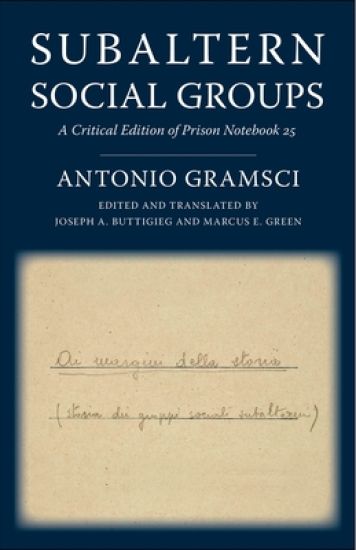
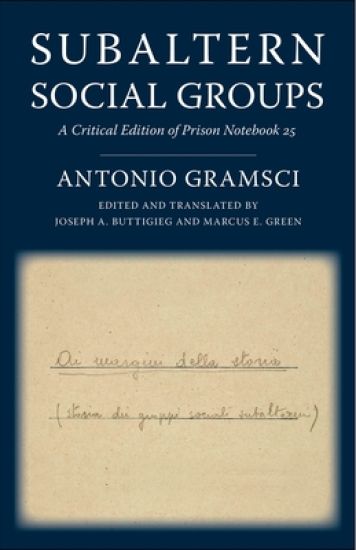
Antonio Gramsci is widely celebrated as the most original political thinker in Western Marxism. Among the most central aspects of his enduring intellectual legacy is the concept of subalternity. Developed in the work of scholars such as Gayatri Spivak and Ranajit Guha, subalternity has been extraordinarily influential across fields of inquiry stretching from cultural studies, literary theory, and postcolonial criticism to anthropology, sociology, criminology, and disability studies. Almost every author whose work touches upon subalterns alludes to Gramsci’s formulation of the concept. Yet Gramsci’s original writings on the topic have not yet appeared in full in English.Among his prison notebooks, Gramsci devoted a single notebook to the theme of subaltern social groups. Notebook 25, which he entitled “On the Margins of History (History of Subaltern Social Groups),” contains a series of observations on subaltern groups from ancient Rome and medieval communes to the period after the Italian Risorgimento, in addition to discussions of the state, intellectuals, the methodological criteria of historical analysis, and reflections on utopias and philosophical novels. This volume presents the first complete translation of Gramsci’s notes on the topic. In addition to a comprehensive translation of Notebook 25 along with Gramsci’s first draft and related notes on subaltern groups, it includes a critical apparatus that clarifies Gramsci’s history, culture, and sources and contextualizes these ideas against his earlier writings and letters. Subaltern Social Groups is an indispensable account of the development of one of the crucial concepts in twentieth-century thought.
Subaltern Social Groups

Subaltern Social Groups

Antonio Gramsci

Columbia University Press
2021
pokkari
Antonio Gramsci is widely celebrated as the most original political thinker in Western Marxism. Among the most central aspects of his enduring intellectual legacy is the concept of subalternity. Developed in the work of scholars such as Gayatri Spivak and Ranajit Guha, subalternity has been extraordinarily influential across fields of inquiry stretching from cultural studies, literary theory, and postcolonial criticism to anthropology, sociology, criminology, and disability studies. Almost every author whose work touches upon subalterns alludes to Gramsci’s formulation of the concept. Yet Gramsci’s original writings on the topic have not yet appeared in full in English.Among his prison notebooks, Gramsci devoted a single notebook to the theme of subaltern social groups. Notebook 25, which he entitled “On the Margins of History (History of Subaltern Social Groups),” contains a series of observations on subaltern groups from ancient Rome and medieval communes to the period after the Italian Risorgimento, in addition to discussions of the state, intellectuals, the methodological criteria of historical analysis, and reflections on utopias and philosophical novels. This volume presents the first complete translation of Gramsci’s notes on the topic. In addition to a comprehensive translation of Notebook 25 along with Gramsci’s first draft and related notes on subaltern groups, it includes a critical apparatus that clarifies Gramsci’s history, culture, and sources and contextualizes these ideas against his earlier writings and letters. Subaltern Social Groups is an indispensable account of the development of one of the crucial concepts in twentieth-century thought.
La questione meridionale

La questione meridionale

Antonio Gramsci

Lulu.com
2019
nidottu
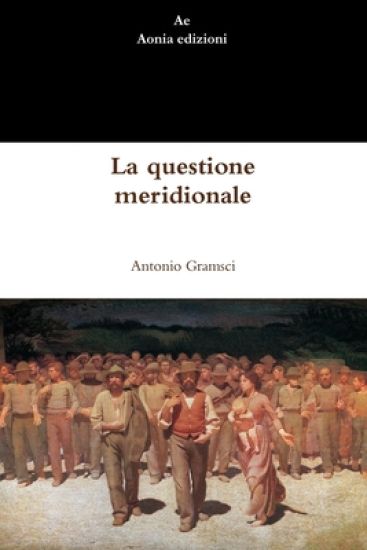
Contiene scritti tratti da L'Avanti, L'Ordine Nuovo, Il grido del popolo, L'Unita, Rinascita. Rileggere Gramsci per capire la nuova Questione meridionale. Non piu la separatezza di nord e sud, funzionale ai meccanismi dell'accumulazione capitalistica. Ma una diversita territoriale che resiste ai movimenti civili e alle nuove generazioni. E che si allarga fino a farsi Paese intero, con la famosa "linea della palma" che sale sempre piu a nord. Un nord per tanti aspetti "compatibile" con i costumi mafiosi, ospitale per la corruzione e per il familismo amorale. E imbevuto di retorica negazionista. Tuffarsi in un grande pensiero politico e rivedere di colpo che cosa e pur stata la politica in Italia. E scoprire il doppio paradosso gramsciano. Quello di raccontare una questione meridionale che non c'e piu e offrire tuttavia gli strumenti piu avanzati per capire quella imprevedibile di oggi, il sud che va alla conquista del nord (Aonia edizioni).
Prison Letters

Prison Letters

Antonio Gramsci

Pluto Press
1997
pokkari
Antonio Gramsci is one of the great European Marxists, hailed by Eric Hobsbawm as 'an extraordinary philosopher ... probably the most original communist thinker of twentieth-century Europe'. Gramsci developed Marx's ideas with an emphasis on culture rather than economics. This classic work reveals his thinking through letters to friends and family written whilst he was in prison. His primary contribution has been in his insistence on an understanding of popular culture in the battle to create a revolutionary consciousness. It is this humanitarian aspect of his thinking that illuminates the vivid personal testimony of his prison letters, written between 1926 and 1937.
Prison notebooks

Prison notebooks

Antonio Gramsci

Lawrence And Wishart Ltd
1998
pokkari
This volume was the first selection published from the Antonio Gramsci's "Prison Nobebooks" to be made available in Britain, and was originally published in the early 1970s. It contains most of the key writings by Gramsci, including the text of "The Modern Prince".