Kirjojen hintavertailu. Mukana 12 096 548 kirjaa ja 12 kauppaa.

Kirjahaku

Etsi kirjoja tekijän nimen, kirjan nimen tai ISBN:n perusteella.

4 kirjaa tekijältä Arjun Raina

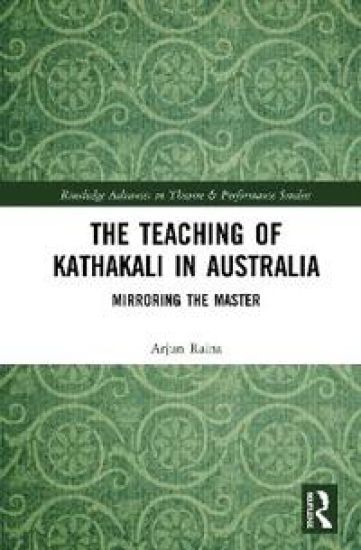
The Teaching of Kathakali in Australia
This book tells the story of teaching Kathakali, a seventeenth century Indian dance-drama, to contemporary performers in Australia.A rigorous analysis and detailed documentation of the teaching of multiple learners in Melbourne, both in the group workshop mode and one-on-one, combined with the author’s ethnographic research in India, leads to a unique insight into what the author argues persuasively is at the heart of the art’s aesthetic- a practical realisation of the theory of rasa as first articulated in the ancient Sanskrit treatise on drama The Natyashastra. The research references the latest discoveries in neuroscience on ‘mirror neurons’ and argues for a reconceptualization of Kathakali’s imitative methodology, advancing it from the reductive category of ‘mimicry’ to a more contemporary and complex mirroring which is where its value lies in Australian actor performer training.The Teaching of Kathakali in Australia will be of great interest to students and scholars of theatre and dance, intercultural actor training, practice-led research, and interdisciplinary studies of neuroscience and performance.
The Teaching of Kathakali in Australia

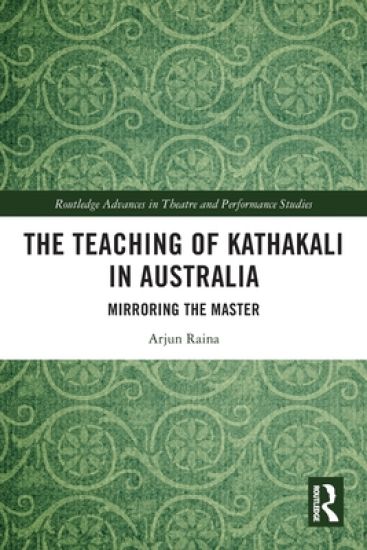
The Teaching of Kathakali in Australia

Arjun Raina

TAYLOR FRANCIS LTD
2022
nidottu
This book tells the story of teaching Kathakali, a seventeenth century Indian dance-drama, to contemporary performers in Australia.A rigorous analysis and detailed documentation of the teaching of multiple learners in Melbourne, both in the group workshop mode and one-on-one, combined with the author’s ethnographic research in India, leads to a unique insight into what the author argues persuasively is at the heart of the art’s aesthetic- a practical realisation of the theory of rasa as first articulated in the ancient Sanskrit treatise on drama The Natyashastra. The research references the latest discoveries in neuroscience on ‘mirror neurons’ and argues for a reconceptualization of Kathakali’s imitative methodology, advancing it from the reductive category of ‘mimicry’ to a more contemporary and complex mirroring which is where its value lies in Australian actor performer training.The Teaching of Kathakali in Australia will be of great interest to students and scholars of theatre and dance, intercultural actor training, practice-led research, and interdisciplinary studies of neuroscience and performance.