Kirjojen hintavertailu. Mukana 12 385 212 kirjaa ja 12 kauppaa.

Kirjahaku

Etsi kirjoja tekijän nimen, kirjan nimen tai ISBN:n perusteella.

3 kirjaa tekijältä Arkady Polishchuk

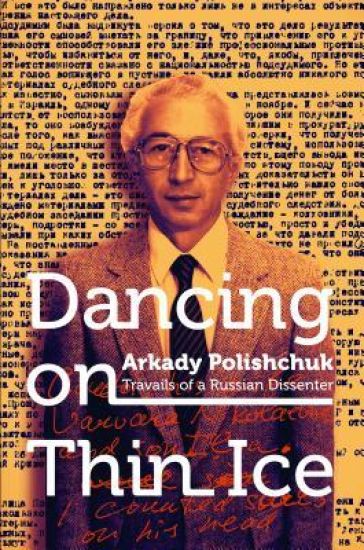
Dancing on Thin Ice

Dancing on Thin Ice

Arkady Polishchuk

DoppelHouse Press
2018
sidottu
In this memoir, replete with Jewish humor and sardonic Russian irony, exiled Russian journalist and human rights advocate Arkady Polishchuk (b. 1930) colorfully narrates his evolution as a dissenter and his work on behalf of persecuted Christians in 1970s Soviet Russia. Told primarily through dialog, this thrilling account puts the reader in the middle of a critical time in history, when thousands of people who had been denied emigration drew international attention while suffering human rights abuses, staged show trials, forced labor, and constant surveillance. From 1950-1973, Polishchuk worked as a journalist for Russian state-run media and at Asia and Africa Today, where all of the foreign correspondents were KGB operatives using their cover jobs to meddle in international affairs. His close understanding of Russian propaganda, the use of "kompromat" against enemies and his knowledge of "pripiski" (defined as "positive distortions of achieved results and fake reports") makes this memoir especially eye-opening for American readers in today's political climate. Through the course of the narrative, we are along with Polishchuk as he covers an anti-Semitic show trial, writes samizdat (underground political self-publications), is arrested, followed and surveilled, collaborates with refuseniks and smuggles eyewitness testimony to the west. The absurdity of his experiences is reflected in his humor, which belies the anxieties of the life he lived.
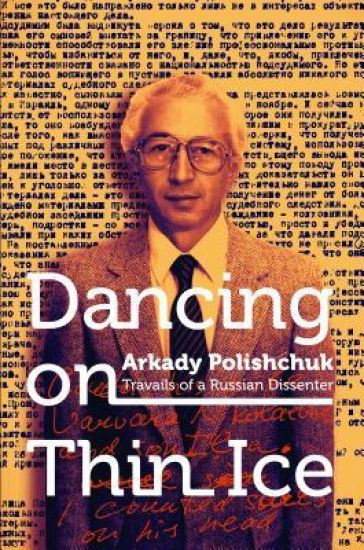
Dancing on Thin Ice

Dancing on Thin Ice

Arkady Polishchuk

DoppelHouse Press
2018
pokkari
In this memoir, replete with Jewish humor and sardonic Russian irony, exiled Russian journalist and human rights advocate Arkady Polishchuk (b. 1930) colorfully narrates his evolution as a dissenter and his work on behalf of persecuted Christians in 1970s Soviet Russia. Told primarily through dialog, this thrilling account puts the reader in the middle of a critical time in history, when thousands of people who had been denied emigration drew international attention while suffering human rights abuses, staged show trials, forced labor, and constant surveillance. From 1950-1973, Polishchuk worked as a journalist for Russian state-run media and at Asia and Africa Today, where all of the foreign correspondents were KGB operatives using their cover jobs to meddle in international affairs. His close understanding of Russian propaganda, the use of "kompromat" against enemies and his knowledge of "pripiski" (defined as "positive distortions of achieved results and fake reports") makes this memoir especially eye-opening for American readers in today's political climate. Through the course of the narrative, we are along with Polishchuk as he covers an anti-Semitic show trial, writes samizdat (underground political self-publications), is arrested, followed and surveilled, collaborates with refuseniks and smuggles eyewitness testimony to the west. The absurdity of his experiences is reflected in his humor, which belies the anxieties of the life he lived.
As I Was Burying Comrade Stalin

As I Was Burying Comrade Stalin

Arkady Polishchuk

McFarland Co Inc
2020
pokkari
Arkady Polishchuk came of age in Stalin's Russia, in the turbulent times before, during and after World War II. His love for the Soviet dictator persisted for years until Polishchuk, a 19-year-old Jew, was not admitted to the university. In 1952, he learned about the preparations for mass deportation of Jews to Siberia. He celebrated Stalin's death in 1953--but state oppression dominated his life as before. As a young reporter for the Kostroma regional newspaper, he met with destitute plowmen, teenage milkmaids and former prisoners turned woodcutters, and wrote about them. When his satirical flair outraged a Communist Party secretary, the KGB initiated a political case against him and he fled to avoid persecution. His memoir describes his painstaking journey toward mental and spiritual liberation.