Kirjojen hintavertailu. Mukana 12 160 059 kirjaa ja 12 kauppaa.

Kirjahaku

Etsi kirjoja tekijän nimen, kirjan nimen tai ISBN:n perusteella.

2 kirjaa tekijältä Arnaud Maillet

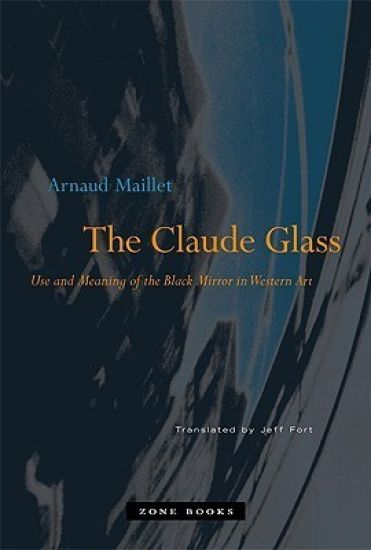
The Claude Glass

The Claude Glass

Arnaud Maillet

Zone Books
2004
sidottu
A study of a largely forgotten optical device and its relation to notions of opacity, transparency, and imagination.In this first full-length study of a largely forgotten optical device from the eighteenth century, Arnaud Maillet reconfigures our historical understanding of visual experience and meaning in relation to notions of opacity, transparency, and imagination. Many are familiar with the Claude glass as a small black convex mirror used by artists and spectators of landscape to reflect a view and make tonal values and areas of light and shade visible. In a groundbreaking account, Maillet goes well beyond this particular function of the glass and situates it within a richer archaeology of Western thought, exploring the uncertainties and anxieties about mirrors, reflections, and their potential distortions. He takes us from the magical and occult background of the "black mirror," through a full evaluation of its importance in the age of the picturesque, to its persistence in a range of technological and representational practices, including photography, film, and contemporary art. The Claude Glass is a lasting contribution to the history of Western visual culture.
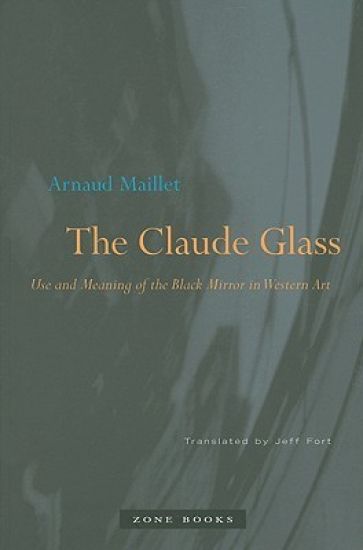
The Claude Glass

The Claude Glass

Arnaud Maillet

Zone Books
2009
pokkari
A study of a largely forgotten optical device and its relation to notions of opacity, transparency, and imagination.In this first full-length study of a largely forgotten optical device from the eighteenth century, Arnaud Maillet reconfigures our historical understanding of visual experience and meaning in relation to notions of opacity, transparency, and imagination. Many are familiar with the Claude glass as a small black convex mirror used by artists and spectators of landscape to reflect a view and make tonal values and areas of light and shade visible. In a groundbreaking account, Maillet goes well beyond this particular function of the glass and situates it within a richer archaeology of Western thought, exploring the uncertainties and anxieties about mirrors, reflections, and their potential distortions. He takes us from the magical and occult background of the "black mirror," through a full evaluation of its importance in the age of the picturesque, to its persistence in a range of technological and representational practices, including photography, film, and contemporary art. The Claude Glass is a lasting contribution to the history of Western visual culture.