Kirjahaku
Etsi kirjoja tekijän nimen, kirjan nimen tai ISBN:n perusteella.
31 kirjaa tekijältä Arno Geiger

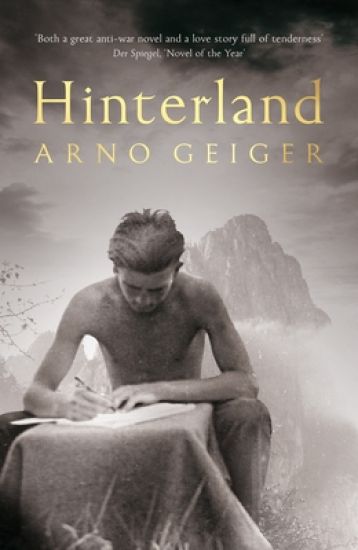
Winner of the Schlegel-Tieck Prize for German Translation'Both a great anti-war novel and a love story, full of tenderness – as around it the world shatters.' – Der Spiegel, 'Novel of the Year'The year is 1944 and Veit Kolbe, a young German soldier, injured fighting in Russia, is recovering at Mondsee, a village and a lake below Drachenwand mountain, close to Salzburg in Austria. Here he meets Margot and Margarete, two young women who share his hope that sometime, sooner or later, life will begin again.The war is lost but how long will it take before it finally comes to its end? In Hinterland, Arno Geiger tells of Veit’s nightmares and the strangely normal life of the small village, of the Brazilian who dreams of returning to Rio de Janeiro, of the landlady and her rallying calls, of Margarete the teacher with whom Veit falls in love, but who doesn't return his affection.But when Veit’s wounds are healed his next call-up orders arrive. The military outlook for Germany and Austria looks increasingly grim and Veit’s luck has run out . . .Translated from the German by Jamie Bulloch
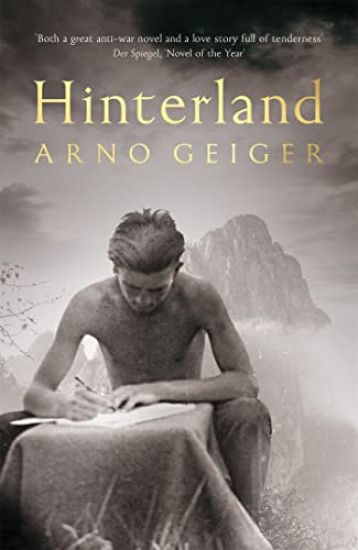
A poignant, heartbreaking novel depicting the quiet heroism of ordinary people in the face of suffering, and the struggle to live a normal life as the world falls apart around them.
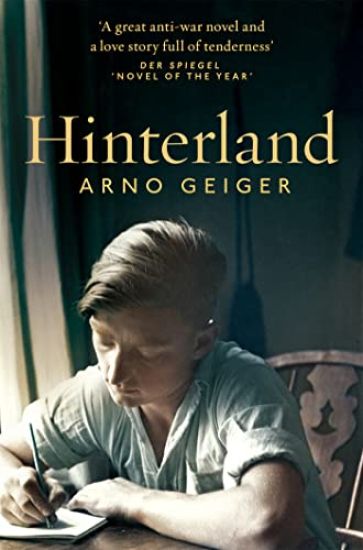
Winner of the Schlegel-Tieck Prize for German Translation'Both a great anti-war novel and a love story, full of tenderness – as around it the world shatters.' – Der Spiegel, 'Novel of the Year'The year is 1944 and Veit Kolbe, a young German soldier, injured fighting in Russia, is recovering in a small village below Drachenwand mountain in Austria. Here he meets Margot and Margarete, two young women who share his hope that sometime, sooner or later, life will begin again.The war is lost but how long will it take before it finally comes to its end? Arno Geiger’s Hinterland, translated from the German by Jamie Bulloch, tells of Veit’s nightmares and the strangely normal life of the village, of the Brazilian who dreams of returning to Rio de Janeiro, of the landlady and her rallying calls, of Margarete the teacher with whom Veit falls in love, but who doesn’t return his affection.But when Veit’s wounds are healed his next call-up orders arrive. The military outlook for Germany and Austria looks increasingly grim and Veit’s luck has run out . . .Translated from the German by Jamie Bulloch

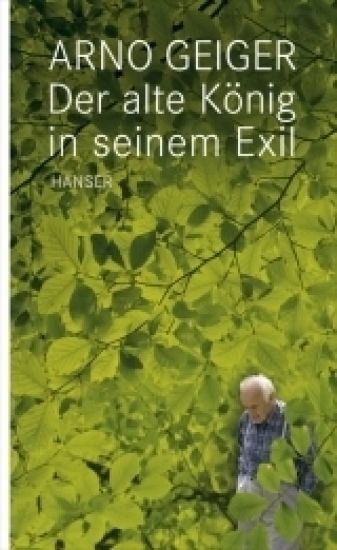
What makes us who we are? Arno Geiger's father was never an easy man to know and when he developed Alzheimer's, Arno realised he was not going to ask for help. 'As my father can no longer cross the bridge into my world, I have to go over to his.' So Arno sets out on a journey to get to know him at last. Born in 1926 in the Austrian Alps, into a farming family who had an orchard, kept three cows, and made schnapps in the cellar, his father was conscripted into World War II as a 'schoolboy soldier' - an experience he rarely spoke about, though it marked him. Striking up a new friendship, Arno walks with him in the village and the landscape they both grew up in and listens to his words, which are often full of unexpected poetry.Through his intelligent, moving and often funny account, we begin to see that whatever happens in old age, a human being retains their past and their character. Translated into nearly 30 languages, The Old King in His Exile will offer solace and insight to anyone coping with a loved one's aging.







Philipp Erlach hat das Haus seiner Großmutter in der Wiener Vorstadt geerbt, und die Familiengeschichte, von der er definitiv nichts wissen will, sitzt ihm nun im Nacken. Arno Geiger erzählt sie, als sei sie gegenwärtig: Von Alma und Richard, die 1938 gerade Ingrid bekommen und nichts mit den Nazis zu tun haben wollen. Vom fünfzehnjährigen Peter, der 1945 mit den letzten Hitlerjungen durch die zerbombten Straßen läuft. Von Ingrid, die mit dem Studenten Peter eine eigene Familie gründen will, und von Philipp, dem Sohn der beiden. Arno Geiger gelingt es, ein trauriges und komisches Jahrhundert lebendig zu machen.
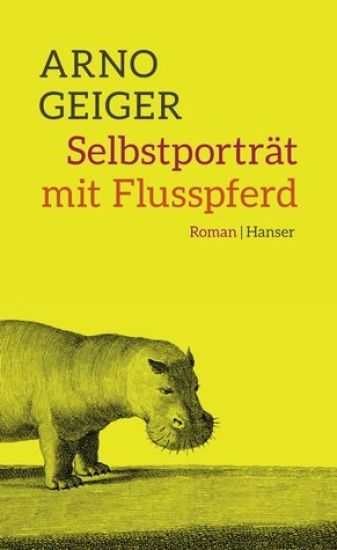
Die Geschichte einer Trennung, einer Liebe und eines Flusspferds. Arno Geiger erzählt von der Schwierigkeit des Erwachsenwerdens.Wie fühlt es sich an, heute jung zu sein? Arno Geiger erzählt von Julian, einem Studenten der Veterinärmedizin, der seine erste Trennung erlebt und erstaunt ist, wie viel Unordnung so eine Trennung schafft. Um die Unordnung ein wenig zu lindern, übernimmt er bei Professor Beham die Pflege eines Zwergflusspferds, das bald den Rhythmus des Sommers bestimmt: es isst, gähnt, taucht und stinkt. Julian verliebt sich in Aiko, die Tochter des Professors, verfolgt beunruhigt, wie täglich Schockwellen von Katastrophen um den Erdball fluten und durchlebt eine Zeit des Umbruchs und Neuanfangs. Ein Roman über die Suche nach einem Platz in der Welt.