Kirjojen hintavertailu. Mukana 11 709 494 kirjaa ja 12 kauppaa.

Kirjahaku

Etsi kirjoja tekijän nimen, kirjan nimen tai ISBN:n perusteella.

5 kirjaa tekijältä Arthur J. Ray

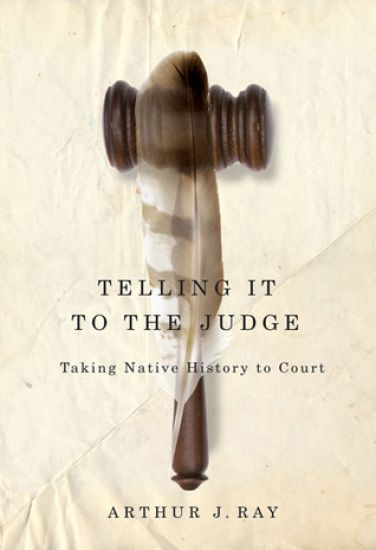
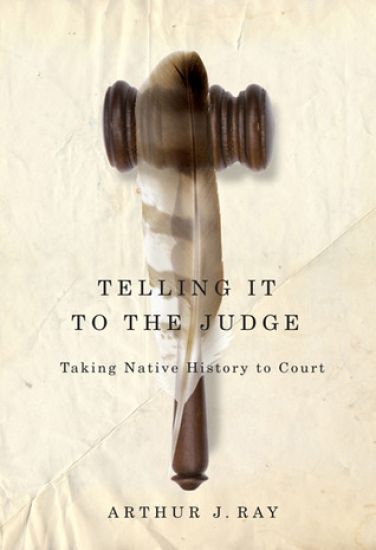
Telling It to the Judge

Telling It to the Judge

Arthur J. Ray

McGill-Queen's University Press
2011
sidottu
Arthur Ray's extensive knowledge in the history of the fur trade and Native economic history brought him into the courts as an expert witness in the mid-1980s. For over twenty-five years he has been a part of landmark litigation concerning treaty rights, Aboriginal title, and Metis rights. In Telling It to the Judge, Ray recalls lengthy courtroom battles over lines of evidence, historical interpretation, and philosophies of history, reflecting on the problems inherent in teaching history in the adversarial courtroom setting. Told with charm and based on extensive experience, Telling It to the Judge is a unique narrative of courtroom strategy in the effort to obtain constitutional recognition of Aboriginal and treaty rights.
Telling It to the Judge

Telling It to the Judge

Arthur J. Ray

McGill-Queen's University Press
2012
nidottu
Arthur Ray's extensive knowledge in the history of the fur trade and Native economic history brought him into the courts as an expert witness in the mid-1980s. For over twenty-five years he has been a part of landmark litigation concerning treaty rights, Aboriginal title, and Metis rights. In Telling It to the Judge, Ray recalls lengthy courtroom battles over lines of evidence, historical interpretation, and philosophies of history, reflecting on the problems inherent in teaching history in the adversarial courtroom setting. Told with charm and based on extensive experience, Telling It to the Judge is a unique narrative of courtroom strategy in the effort to obtain constitutional recognition of Aboriginal and treaty rights.
Aboriginal Rights Claims and the Making and Remaking of History

Aboriginal Rights Claims and the Making and Remaking of History

Arthur J. Ray

McGill-Queen's University Press
2016
sidottu
Forums such as commissions, courtroom trials, and tribunals that have been established through the second half of the twentieth century to address aboriginal land claims have consequently created a particular way of presenting aboriginal, colonial, and national histories. The history that emerges from these land-claims processes is often criticized for being "presentist" - inaccurately interpreting historical actions and actors through the lens of present-day values, practices, and concerns. In Aboriginal Rights Claims and the Making and Remaking of History, Arthur Ray examines how claims-oriented research is often fitted to the existing frames of indigenous rights law and claims legislation and, as a result, has influenced the development of these laws and legislation. Through a comparative study encompassing the United States, Canada, South Africa, Australia and New Zealand, Ray also explores the ways in which various procedures and settings for claims adjudication have influenced and changed the use of historical evidence, made space for indigenous voices, stimulated scholarly debates about the cultural and historical experiences of indigenous peoples at the time of initial European contact and afterward, and have provoked reactions from politicians and scholars. While giving serious consideration to the flaws and strengths of presentist histories, Aboriginal Rights Claims and the Making and Remaking of History provides communities with essential information on how history is used and how methods are adapted and changed.
Aboriginal Rights Claims and the Making and Remaking of History

Aboriginal Rights Claims and the Making and Remaking of History

Arthur J. Ray

McGill-Queen's University Press
2016
nidottu
Forums such as commissions, courtroom trials, and tribunals that have been established through the second half of the twentieth century to address aboriginal land claims have consequently created a particular way of presenting aboriginal, colonial, and national histories. The history that emerges from these land-claims processes is often criticized for being "presentist" - inaccurately interpreting historical actions and actors through the lens of present-day values, practices, and concerns. In Aboriginal Rights Claims and the Making and Remaking of History, Arthur Ray examines how claims-oriented research is often fitted to the existing frames of indigenous rights law and claims legislation and, as a result, has influenced the development of these laws and legislation. Through a comparative study encompassing the United States, Canada, South Africa, Australia and New Zealand, Ray also explores the ways in which various procedures and settings for claims adjudication have influenced and changed the use of historical evidence, made space for indigenous voices, stimulated scholarly debates about the cultural and historical experiences of indigenous peoples at the time of initial European contact and afterward, and have provoked reactions from politicians and scholars. While giving serious consideration to the flaws and strengths of presentist histories, Aboriginal Rights Claims and the Making and Remaking of History provides communities with essential information on how history is used and how methods are adapted and changed.
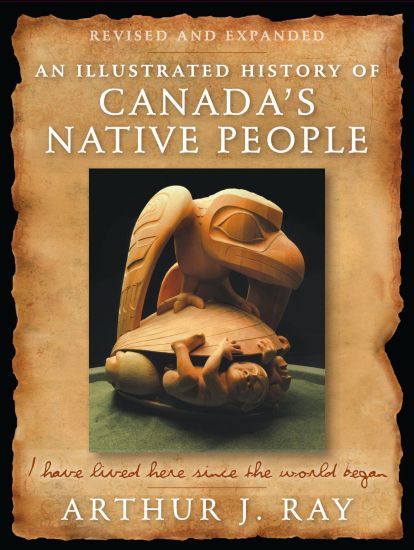
An Illustrated History of Canada's Native People

An Illustrated History of Canada's Native People

Arthur J. Ray

McGill-Queen's University Press
2016
nidottu
Canada's Native people have inhabited this land since the Ice Age and were already accomplished traders, artisans, farmers, and marine hunters when Europeans first reached their shores. Contact between Natives and European explorers and settlers initially presented an unprecedented period of growth and opportunity. But the two vastly different cultures soon clashed. Arthur Ray charts the history of Canada's Native people from first contact to current land claims. The result is a fascinating chronicle that spans 12,000 years and culminates in the headlines of today. In the preface to this new edition, Ray elaborates on the increasing effectiveness of Indigenous peoples and their leaders in bringing demands for justice to centre stage. He discusses recent court decisions, the final report of the Truth and Reconciliation Commission of Canada, and the hope for change following promises made by the new Trudeau government.