Kirjojen hintavertailu. Mukana 12 016 292 kirjaa ja 12 kauppaa.

Kirjahaku

Etsi kirjoja tekijän nimen, kirjan nimen tai ISBN:n perusteella.

4 kirjaa tekijältä Arvin Ghosh

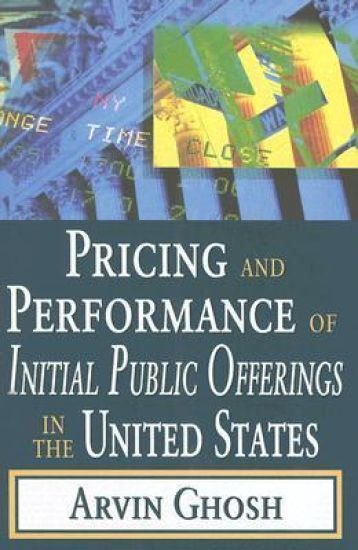
Pricing and Performance of Initial Public Offerings in the United States
In this timely volume on newly emerging financial mar- kets and investment strategies, Arvin Ghosh explores the intriguing topic of initial public offerings (IPOs) of securities, among the most significant phenomena in the United States stock markets in recent years. Before the 2000-2001 market turndown, hardly a week went by when more than a few companies did not become public, either in the organized stock exchange or in the Over the Counter (OTC) market. In the often over-burdened, technology-heavy Nasdaq market, the role of IPOs was crucial for the market's new vigor and growth. Internet stocks were able to find a mode to supply key momentum to the market. In the so-called "New Economy" of the 1990s, it was the seductively accessible IPO that ushered in the world's information technology revolution.Ghosh sets out to examine the pricing and financial performance of IPOs in the United States during the period 1990-2001. In the opening chapter he discusses the rise and fall of IPOs in the preceding decade. Chapter 2 further delineates the IPO process from the start of the prospectus to the end of the "quiet period" and aftermarket stabilization. In chapter 3 Ghosh analyzes the mispricing and deliberately deceptive underpricing, or "flipping," of Internet IPOs. Chapter 4 delves deeper into the pricing and operating efficiency of Nasdaq IPOs. Chapter 5 analyzes the pricing and long-run performance of IPOs both in the New York Stock Exchange and in the Nasdaq markets. In chapters 6 and 7 the author deals with the pricing and performance of the venture-blocked and nonventure-backed IPOs in general and Internet IPOs in particular. In chapter 8 he analyzes the role of underwriters as market makers. In chapter 9 Ghosh discusses the accuracy of analysts' earnings forecasts. In the concluding chapter, he summarizes the principal findings of the study and the recent revival of the IPO market and its place in capital formation as well as the latest developments in the realm of United States IPOs.This work brings forth the true nature and consequences of the recent IPO phenomenon. It is a fascinating financial read and must-have for any future financier.
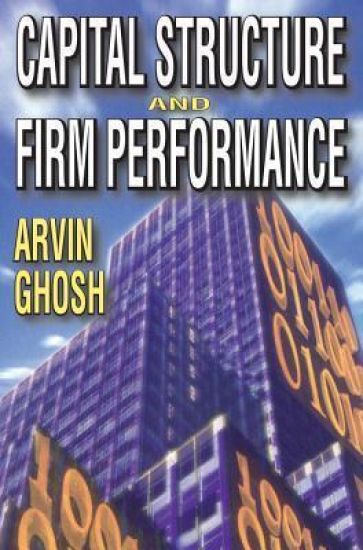
Capital Structure and Firm Performance

Capital Structure and Firm Performance

Arvin Ghosh

AldineTransaction
2008
sidottu
Capital structure theory is one of the most dynamic areas of finance and forms the basis for modern thinking on the capital structure of firms. Much controversy has resulted from comparisons of the theory of capital structure originally developed by Franco Modigliani and Merton Miller to real-world situations. Two competing theories have emerged over the years, the optimal capital structure theory and the pecking order theory.Arvin Ghosh begins with an overview of the controversies regarding capital structure theories, and then statistically tests both the optimal capital structure and pecking order theories. Using the binomial approach he analyzes the determinants of capital structure while discussing the role of market power in determining capital structure decisions. Ghosh probes the questions of new stock offerings and stockholders' returns, and analyzes capital structure and executive compensation. He then looks into debt financing ownership structure, and the controversal relationship between capital structure and firm profitability. Finally, he discusses the latest developments in the field of capital structure.A concise overview of a major issue in business economics and finance, this volume provides a fuller understanding of capital structure influence on the financial performance of firms, and will certainly stimulate further debate. While hundreds of scholarly articles have been written on the subject this is the first book to test competing theories against measurements of firms' performance and their underlying capital structure.
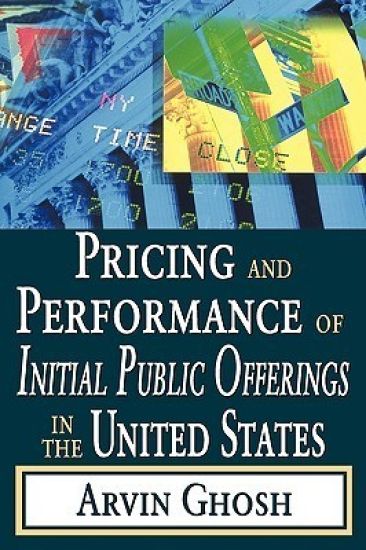
Pricing and Performance of Initial Public Offerings in the United States
In this timely volume on newly emerging financial mar- kets and investment strategies, Arvin Ghosh explores the intriguing topic of initial public offerings (IPOs) of securities, among the most significant phenomena in the United States stock markets in recent years. Before the 2000-2001 market turndown, hardly a week went by when more than a few companies did not become public, either in the organized stock exchange or in the Over the Counter (OTC) market. In the often over-burdened, technology-heavy Nasdaq market, the role of IPOs was crucial for the market's new vigor and growth. Internet stocks were able to find a mode to supply key momentum to the market. In the so-called "New Economy" of the 1990s, it was the seductively accessible IPO that ushered in the world's information technology revolution.Ghosh sets out to examine the pricing and financial performance of IPOs in the United States during the period 1990-2001. In the opening chapter he discusses the rise and fall of IPOs in the preceding decade. Chapter 2 further delineates the IPO process from the start of the prospectus to the end of the "quiet period" and aftermarket stabilization. In chapter 3 Ghosh analyzes the mispricing and deliberately deceptive underpricing, or "flipping," of Internet IPOs. Chapter 4 delves deeper into the pricing and operating efficiency of Nasdaq IPOs. Chapter 5 analyzes the pricing and long-run performance of IPOs both in the New York Stock Exchange and in the Nasdaq markets. In chapters 6 and 7 the author deals with the pricing and performance of the venture-blocked and nonventure-backed IPOs in general and Internet IPOs in particular. In chapter 8 he analyzes the role of underwriters as market makers. In chapter 9 Ghosh discusses the accuracy of analysts' earnings forecasts. In the concluding chapter, he summarizes the principal findings of the study and the recent revival of the IPO market and its place in capital formation as well as the latest developments in the realm of United States IPOs.This work brings forth the true nature and consequences of the recent IPO phenomenon. It is a fascinating financial read and must-have for any future financier.
Capital Structure and Firm Performance

Capital Structure and Firm Performance

Arvin Ghosh

AldineTransaction
2012
nidottu
Capital structure theory is one of the most dynamic areas of finance and forms the basis for modern thinking on the capital structure of firms. Much controversy has resulted from comparisons of the theory of capital structure originally developed by Franco Modigliani and Merton Miller to real-world situations. Two competing theories have emerged over the years, the optimal capital structure theory and the pecking order theory.Arvin Ghosh begins with an overview of the controversies regarding capital structure theories, and then statistically tests both the optimal capital structure and pecking order theories. Using the binomial approach he analyzes the determinants of capital structure while discussing the role of market power in determining capital structure decisions. Ghosh probes the questions of new stock offerings and stockholders' returns, and analyzes capital structure and executive compensation. He then looks into debt financing ownership structure, and the controversal relationship between capital structure and firm profitability. Finally, he discusses the latest developments in the field of capital structure.A concise overview of a major issue in business economics and finance, this volume provides a fuller understanding of capital structure influence on the financial performance of firms, and will certainly stimulate further debate. While hundreds of scholarly articles have been written on the subject this is the first book to test competing theories against measurements of firms' performance and their underlying capital structure.