Kirjojen hintavertailu. Mukana 11 627 220 kirjaa ja 12 kauppaa.

Kirjahaku

Etsi kirjoja tekijän nimen, kirjan nimen tai ISBN:n perusteella.

5 kirjaa tekijältä Ashley Clements

Humans, among Other Classical Animals

Humans, among Other Classical Animals

Ashley Clements

Oxford University Press
2021
sidottu
We are living in a moment of environmental and existential crisis that demands a response. Why then study Classics now? From the European assimilation and destruction of the New World to our present environmental destruction of our shared world, Humans, among Other Classical Animals explores in encounters an answer by demonstrating how the Classics have been implicated in the structures of thought that have ultimately led us to our present historical moment. Telling the story of anthropology's Classical entanglements from its inception to its growth to critical self-awareness, it demonstrates that Classical ideas have played a crucial -and often deleterious- role in the Western placing of the human and in the discipline that claimed the study of humanity as its own. Responses to our present crisis, it argues, should therefore include as a prerequisite, considering the origins and implications of these Classical foundations because only by so doing can we attain the full self-awareness necessary to think beyond them and consider the alternatives we now need. Postclassical Interventions aims to reorient the meaning of antiquity across and beyond the humanities. Building on the success of Classical Presences, this complementary series features shorter-length monographs designed to provoke debate about the current and future potential of Classical Reception through fresh, bold, and critical thinking.
Humanitarian Negotiations with Armed Groups
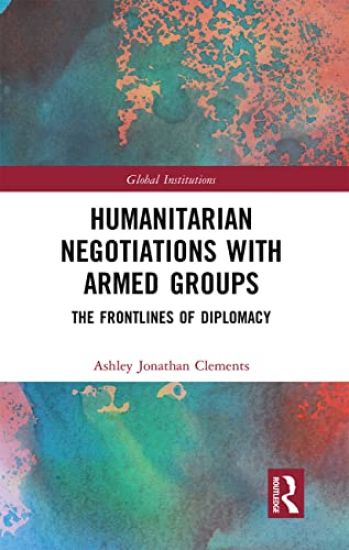
Humanitarians operate on the frontlines of today’s armed conflicts, where they regularly negotiate to provide assistance and to protect vulnerable civilians. This book explores this unique and under-researched field of humanitarian negotiation. It details the challenges faced by humanitarians negotiating with armed groups in Yemen, Myanmar, and elsewhere, arguing that humanitarians typically negotiate from a position of weakness. It also explores some of the tactics and strategies they use to overcome this power asymmetry to reach more favorable agreements.The author applies these findings to broader negotiation scholarship and investigates the implications of this research for the field and practice of humanitarianism. This book also demonstrates how non-state actors – both humanitarians and armed groups – have become increasingly potent diplomatic actors. It challenges traditional state-centric approaches to diplomacy and argues that non-state actors constitute an increasingly crucial vector through which international relations are replicated and reconstituted during contemporary armed conflict. Only by accepting these changes to the nature of diplomacy itself can the causes, symptoms, and solutions to armed conflict be better managed.This book will be of interest to scholars concerned with conflict resolution, negotiation, and mediation, as well as to humanitarian practitioners themselves.
Humanitarian Negotiations with Armed Groups

Humanitarian Negotiations with Armed Groups

Ashley Clements

TAYLOR FRANCIS LTD
2021
nidottu
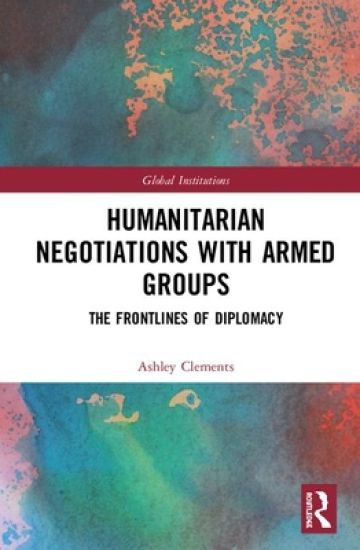
Humanitarians operate on the frontlines of today’s armed conflicts, where they regularly negotiate to provide assistance and to protect vulnerable civilians. This book explores this unique and under-researched field of humanitarian negotiation. It details the challenges faced by humanitarians negotiating with armed groups in Yemen, Myanmar, and elsewhere, arguing that humanitarians typically negotiate from a position of weakness. It also explores some of the tactics and strategies they use to overcome this power asymmetry to reach more favorable agreements.The author applies these findings to broader negotiation scholarship and investigates the implications of this research for the field and practice of humanitarianism. This book also demonstrates how non-state actors – both humanitarians and armed groups – have become increasingly potent diplomatic actors. It challenges traditional state-centric approaches to diplomacy and argues that non-state actors constitute an increasingly crucial vector through which international relations are replicated and reconstituted during contemporary armed conflict. Only by accepting these changes to the nature of diplomacy itself can the causes, symptoms, and solutions to armed conflict be better managed.This book will be of interest to scholars concerned with conflict resolution, negotiation, and mediation, as well as to humanitarian practitioners themselves.
Aristophanes' Thesmophoriazusae

Aristophanes' Thesmophoriazusae

Ashley Clements

Cambridge University Press
2014
sidottu
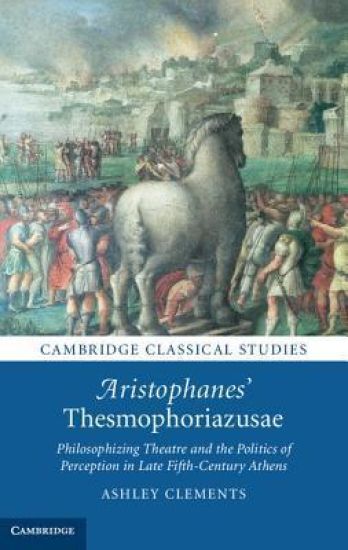
Aristophanes' comic masterpiece Thesmophoriazusae has long been recognized amongst the plays of Old Comedy for its deconstruction of tragic theatricality. This book reveals that this deconstruction is grounded not simply in Aristophanes' wider engagement with tragic realism. Rather, it demonstrates that from its outset Aristophanes' play draws upon Parmenides' philosophical revelations concerning reality and illusion, employing Eleatic strictures and imagery to philosophize the theatrical situation, criticize Aristophanes' poetic rival Euripides as promulgator of harmful deceptions, expose the dangerous complicity of Athenian theatre audiences in tragic illusion, and articulate political advice to an audience negotiating a period of political turmoil characterized by deception and uncertainty (the months before the oligarchic coup of 411 BC). The book thereby restores Thesmophoriazusae to its proper status as a philosophical comedy and reveals hitherto unrecognized evidence of Aristophanes' political use of Eleatic ideas during the late fifth century BC.
Aristophanes' Thesmophoriazusae

Aristophanes' Thesmophoriazusae

Ashley Clements

Cambridge University Press
2020
pokkari
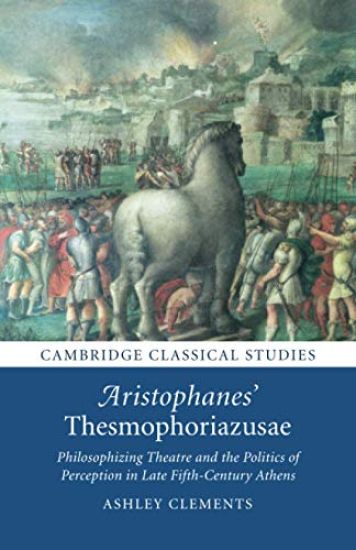
Aristophanes' comic masterpiece Thesmophoriazusae has long been recognized amongst the plays of Old Comedy for its deconstruction of tragic theatricality. This book reveals that this deconstruction is grounded not simply in Aristophanes' wider engagement with tragic realism. Rather, it demonstrates that from its outset Aristophanes' play draws upon Parmenides' philosophical revelations concerning reality and illusion, employing Eleatic strictures and imagery to philosophize the theatrical situation, criticize Aristophanes' poetic rival Euripides as promulgator of harmful deceptions, expose the dangerous complicity of Athenian theatre audiences in tragic illusion, and articulate political advice to an audience negotiating a period of political turmoil characterized by deception and uncertainty (the months before the oligarchic coup of 411 BC). The book thereby restores Thesmophoriazusae to its proper status as a philosophical comedy and reveals hitherto unrecognized evidence of Aristophanes' political use of Eleatic ideas during the late fifth century BC.