Kirjojen hintavertailu. Mukana 11 448 683 kirjaa ja 12 kauppaa.

Kirjahaku

Etsi kirjoja tekijän nimen, kirjan nimen tai ISBN:n perusteella.

3 kirjaa tekijältä Ashwini Tambe

Defining Girlhood in India

Defining Girlhood in India

Ashwini Tambe

University of Illinois Press
2019
sidottu
At what age do girls gain the maturity to make sexual choices? This question provokes especially vexed debates in India, where early marriage is a widespread practice. India has served as a focal problem site in NGO campaigns and intergovernmental conferences setting age standards for sexual maturity. Over the last century, the country shifted the legal age of marriage from twelve, among the lowest in the world, to eighteen, at the high end of the global spectrum. Ashwini Tambe illuminates the ideas that shaped such shifts: how the concept of adolescence as a sheltered phase led to delaying both marriage and legal adulthood; how the imperative of population control influenced laws on marriage age; and how imperial moral hierarchies between nations provoked defensive postures within India. Tambe's transnational feminist approach to legal history shows how intergovernmental debates influenced Indian laws and how expert discourses in India changed UN terminology about girls. Ultimately, the well-meaning focus on child marriage became tethered less to the well-being of girls themselves and more to parents' interests, population control targets, and the preservation of national reputation.
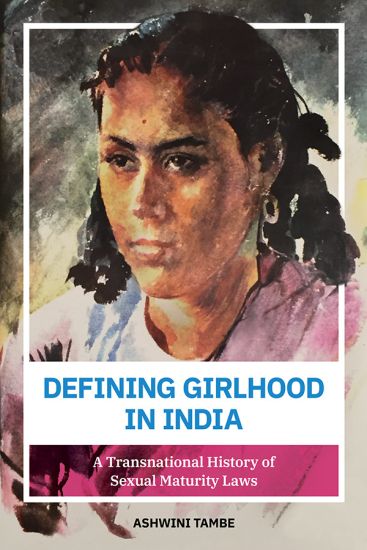
Defining Girlhood in India

Defining Girlhood in India

Ashwini Tambe

University of Illinois Press
2019
nidottu
At what age do girls gain the maturity to make sexual choices? This question provokes especially vexed debates in India, where early marriage is a widespread practice. India has served as a focal problem site in NGO campaigns and intergovernmental conferences setting age standards for sexual maturity. Over the last century, the country shifted the legal age of marriage from twelve, among the lowest in the world, to eighteen, at the high end of the global spectrum. Ashwini Tambe illuminates the ideas that shaped such shifts: how the concept of adolescence as a sheltered phase led to delaying both marriage and legal adulthood; how the imperative of population control influenced laws on marriage age; and how imperial moral hierarchies between nations provoked defensive postures within India. Tambe's transnational feminist approach to legal history shows how intergovernmental debates influenced Indian laws and how expert discourses in India changed UN terminology about girls. Ultimately, the well-meaning focus on child marriage became tethered less to the well-being of girls themselves and more to parents' interests, population control targets, and the preservation of national reputation.
Codes of Misconduct

Codes of Misconduct

Ashwini Tambe

University of Minnesota Press
2009
nidottu
Across the nineteenth and twentieth centuries, legislators in Bombay passed a series of repetitive laws seeking to control prostitution. During the same time, Bombay’s sex industry grew vast in scale. Ashwini Tambe explores why these remarkably similar laws failed to achieve their goal and questions the actual purpose of such lawmaking. Against the backdrop of the industrial growth of Bombay, Codes of Misconduct examines the relationship between lawmaking, law enforcement, and sexual commerce. Ashwini Tambe challenges linear readings of how laws create effects and demonstrates that the regulation and criminalization of prostitution were not contrasting approaches to prostitution but different modes of state coercion. By analyzing legal prohibitions as productive forces, she also probes the pornographic imagination of the colonial state, showing how regulations made sexual commerce more visible but rendered the prostitute silent.Codes of Misconduct engages with debates on state control of sex work and traces how a colonial legacy influences contemporary efforts to contain the spread of HIV and decriminalize sex workers in India today. In doing so, Tambe’s work not only adds to our understanding of empire, sexuality, and the law, it also sheds new light on the long history of Bombay’s transnational links and the social worlds of its underclasses.