Kirjojen hintavertailu. Mukana 12 052 282 kirjaa ja 12 kauppaa.

Kirjahaku

Etsi kirjoja tekijän nimen, kirjan nimen tai ISBN:n perusteella.

2 kirjaa tekijältä Augusto Garau

Color Harmonies

Color Harmonies

Augusto Garau

University of Chicago Press
1993
sidottu
Because theories of visual perception have traditionally concentrated on form, artists have generally dealt with the problem of color through their own observation and intuition. In Color Harmonies, Augusto Garau systematically investigates the role of both color and form in visual perception and presents an original theory of the aesthetic relations among colors. Garau, a painter who teaches the psychology of form, pays particular attention to the way colors behave when organized in patterns. His theory of color combination addresses two principal compositional elements: the relations between figure and ground and the phenomenon of transparency. Garau meticulously analyzes the use of color in paintings by masters such as Cézanne, Picasso, and Matisse to show how his theory applies to actual works of art. Containing many full-color examples, his introduction to the workings of color relations is of great practical use to art historians and critics, artists, interior decorators, fashion and set designers, and anyone who works with color to display information or convey emotions. "In an area of the psychology of art where reliable guidance is still so hard to come by, [Garau's] well-supported contributions to the theory of color composition ought to be welcomed by practitioners and scholars alike."--from the Foreword by Rudolf Arnheim
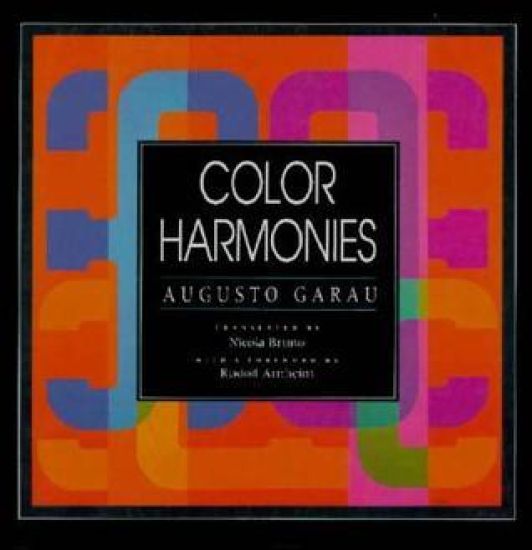
Color Harmonies

Color Harmonies

Augusto Garau

University of Chicago Press
1993
nidottu
Because theories of visual perception have traditionally concentrated on form, artists have generally dealt with the problem of color through their own observation and intuition. In Color Harmonies, Augusto Garau systematically investigates the role of both color and form in visual perception and presents an original theory of the aesthetic relations among colors.Garau, a painter who teaches the psychology of form, pays particular attention to the way colors behave when organized in patterns. His theory of color combination addresses two principal compositional elements: the relations between figure and ground and the phenomenon of transparency.Garau meticulously analyzes the use of color in paintings by masters such as Cézanne, Picasso, and Matisse to show how his theory applies to actual works of art. Containing many full-color examples, his introduction to the workings of color relations is of great practical use to art historians and critics, artists, interior decorators, fashion and set designers, and anyone who works with color to display information or convey emotions."In an area of the psychology of art where reliable guidance is still so hard to come by, [Garau's] well-supported contributions to the theory of color composition ought to be welcomed by practitioners and scholars alike."—from the Foreword by Rudolf Arnheim